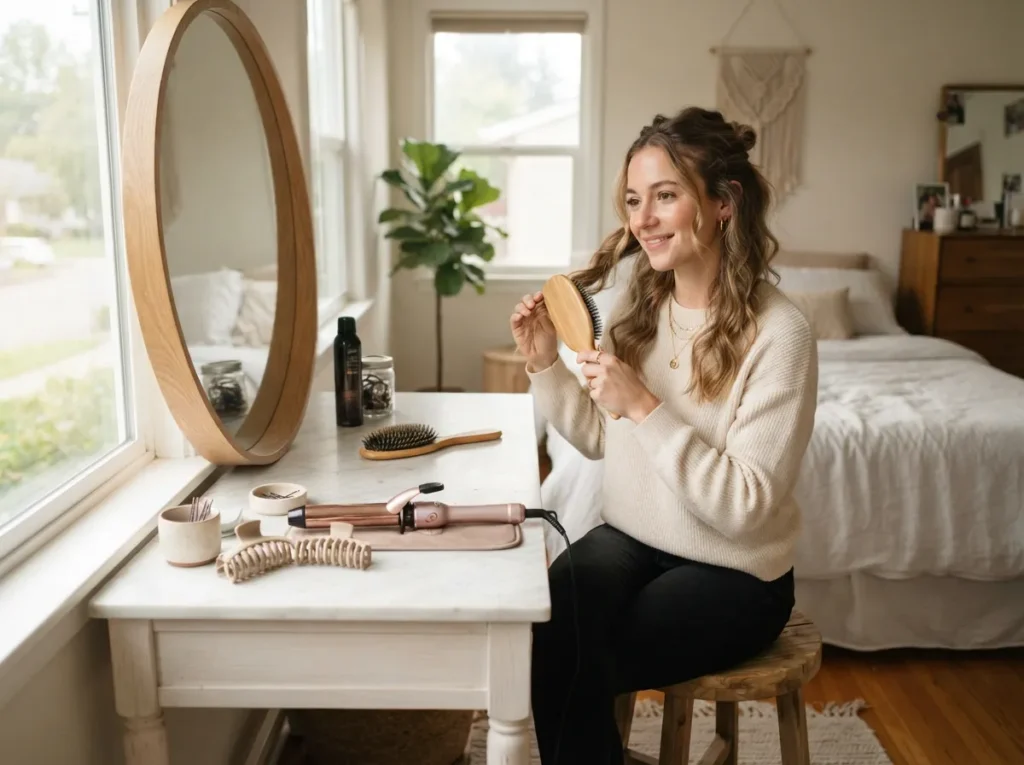
Styling your hair can feel intimidating when you’re just starting out. You see perfectly curled waves, sleek ponytails, and effortless-looking buns on Pinterest and wonder how anyone manages to recreate them at home. The good news? You don’t need professional hairstyling skills—or a drawer full of expensive tools—to make your hair look polished and put together.
The secret is learning a few simple techniques that work with your natural hair rather than against it. Once you understand the basics of brushing, sectioning, adding texture, and securing your style, getting ready in the morning becomes much easier.
1. Start With Clean, Manageable Hair
A good hairstyle starts before you reach for your curling iron or hair ties. Your hair should feel manageable, smooth, and easy to work with.
Freshly washed hair is great for sleek styles, but slightly lived-in hair can actually be easier for braids, buns, and textured ponytails because it has more grip.
Before styling:
- Gently detangle your hair from the ends upward.
- Apply a lightweight leave-in conditioner if your hair feels dry.
- Use a small amount of smoothing serum on frizzy areas.
- Make sure your hair is completely dry before using most heated styling tools.
If your hair feels too silky for an updo, a little texturizing spray can make it easier to control.
2. Learn How to Section Your Hair
Sectioning is one of those small tricks that makes a surprisingly big difference. Instead of trying to curl, straighten, or style all your hair at once, divide it into manageable sections.
For beginners, start by separating your hair into a top and bottom section. Clip the top half away and work on the bottom first. If your hair is particularly thick, create three or four sections.
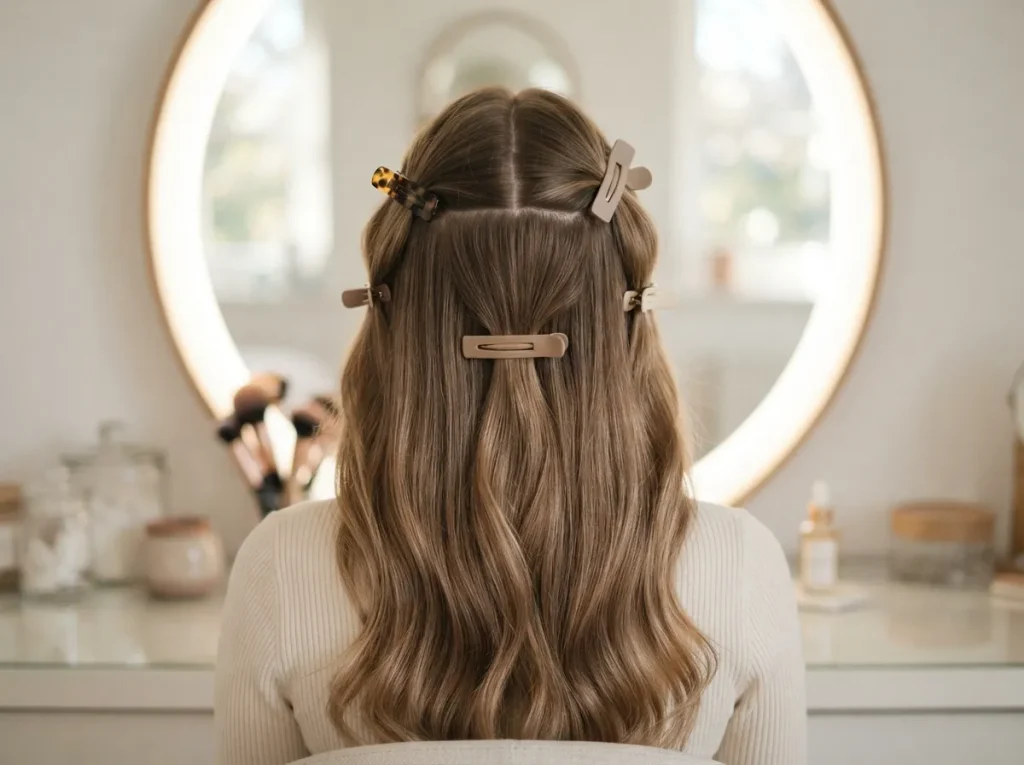
Smaller sections are especially useful when curling or straightening because each strand receives more even attention. You’ll usually get a neater result without repeatedly going over the same areas.
3. Master an Easy Everyday Ponytail
A ponytail is one of the easiest beginner hairstyles, but a few adjustments can make it look much more intentional.
Brush your hair backward and gather it at the height you prefer. Secure it with a comfortable elastic, then gently loosen a little hair around the crown if you want a softer, fuller appearance.
For a polished finish, take a thin piece of hair from underneath the ponytail, wrap it around the elastic, and secure the end discreetly with a bobby pin.
You can also leave a few face-framing strands loose for a relaxed look.
4. Try a Simple Messy Bun
The messy bun is perfect when you want something quick without looking like you simply threw your hair up.
Start with a ponytail, but don’t pull the hair completely through the elastic on the final loop. You’ll create a loose bun shape. Gently spread the bun with your fingers and secure any loose areas with bobby pins.
The goal isn’t perfection. A little unevenness is what gives this hairstyle its effortless charm.
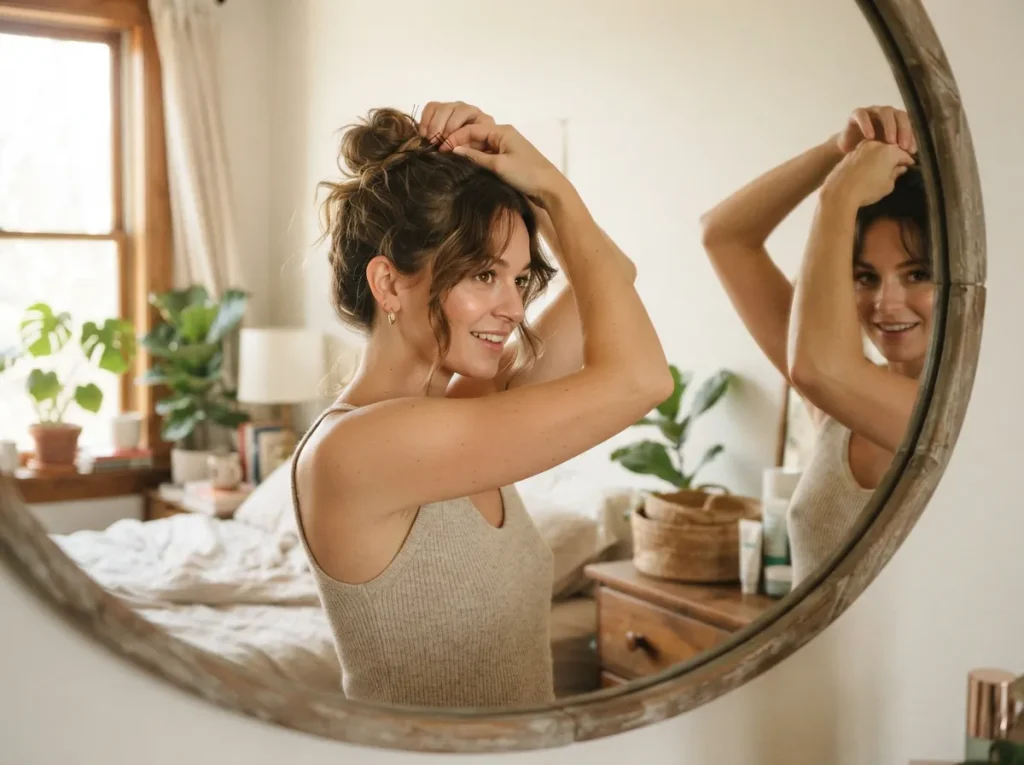
For extra volume, lightly loosen the hair around your crown after securing the bun.
5. Create Beginner-Friendly Soft Waves
You don’t need complicated curling techniques to create pretty waves.
Divide your hair into sections and curl medium-sized pieces away from your face. Hold each section around the curling tool briefly, then release it gently. Avoid immediately brushing through the curls.
Once your hair has cooled, separate the curls using your fingers or a wide-tooth comb. This turns defined curls into softer, more natural-looking waves.
Always use heat protectant before applying heat to your hair, and follow the temperature and safety guidance for your specific styling tool.
If you’re not comfortable using heat yet, try overnight braids. Loosely braid slightly damp—not soaking wet—hair before bed, allow it to dry fully, and unravel the braids in the morning for easy texture.
6. Use Claw Clips for a Quick Hairstyle
Claw clips are ideal for beginners because they require almost no technical skill.
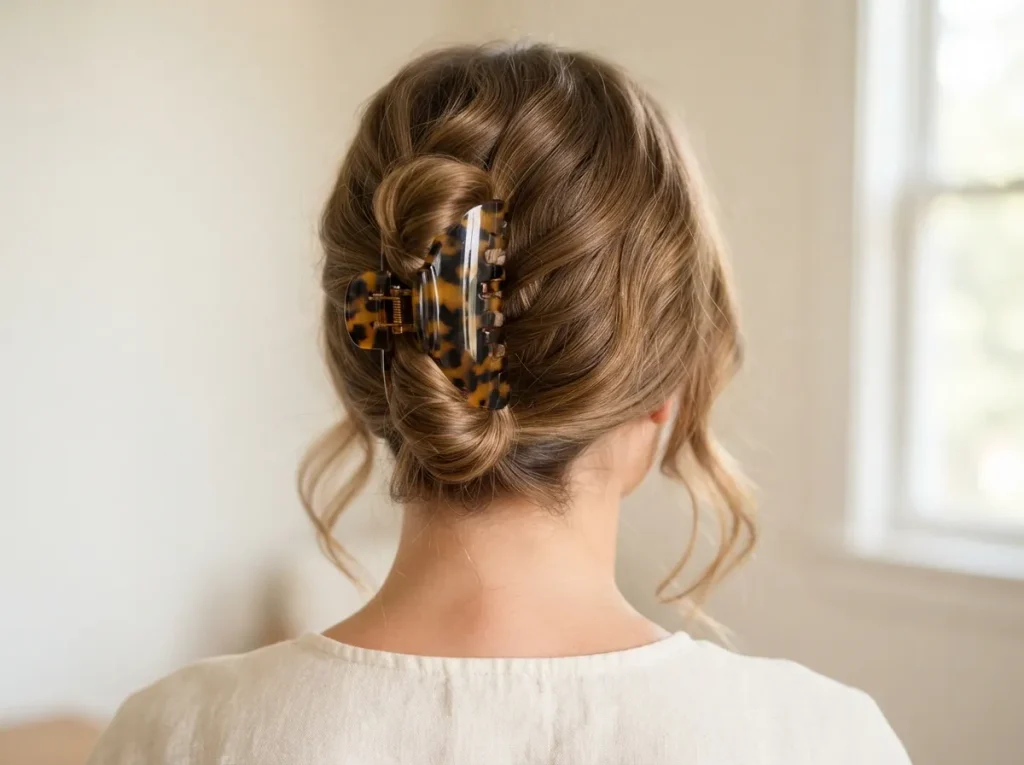
Gather your hair at the back as though you’re creating a low ponytail. Twist it upward, fold the ends down if necessary, and secure everything with a claw clip.
You can keep the look sleek or gently pull out a few strands around your face.
7. Keep Your Styling Kit Simple
You don’t need dozens of products when you’re learning. A small collection of versatile basics is enough for most everyday hairstyles.
Consider keeping:
- A gentle detangling brush
- A wide-tooth comb
- Hair elastics
- Bobby pins
- Claw clips
- Heat protectant
- Lightweight smoothing or texturizing product
- One styling tool, if you regularly use heat
Learning how to use a few essentials confidently is much more useful than buying every trending hair tool you see online.
8. Practice One Hairstyle at a Time
The biggest beginner mistake is expecting a complicated hairstyle to look perfect on the first attempt.
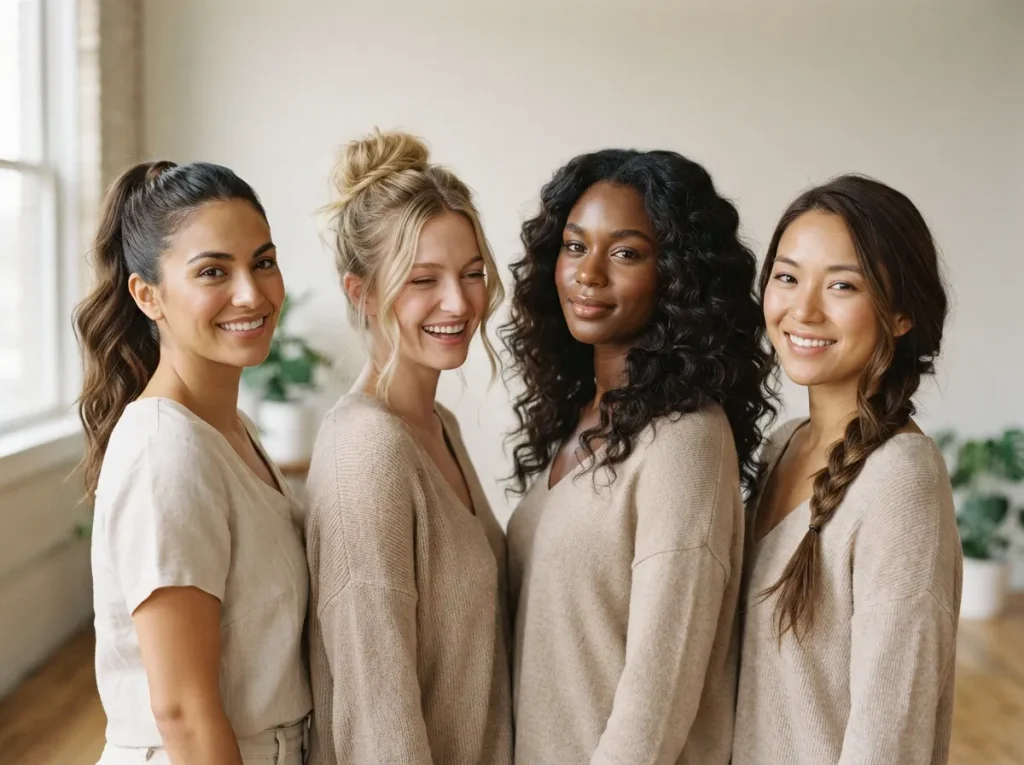
Choose one easy style—perhaps a ponytail, messy bun, simple braid, or soft waves—and practice it several times. Pay attention to how your own hair behaves. Fine hair, thick hair, curls, waves, and straight hair can all require slightly different techniques.
Make Hair Styling Part of Your Routine
Learning how to style your hair easily is less about mastering complicated techniques and more about becoming comfortable with the basics. Start with manageable hair, work in sections, keep your tools simple, and practice hairstyles that fit naturally into your routine.
Some days your messy bun will look perfect in two minutes. Other days it may take three attempts—and that’s completely normal while you’re learning.
Start with one hairstyle from this guide and practice it this week. Once it feels effortless, move on to the next. Save these beginner hair styling ideas for later so you always have an easy hairstyle to try when you need a little inspiration!