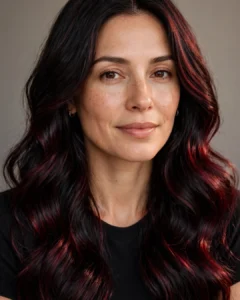
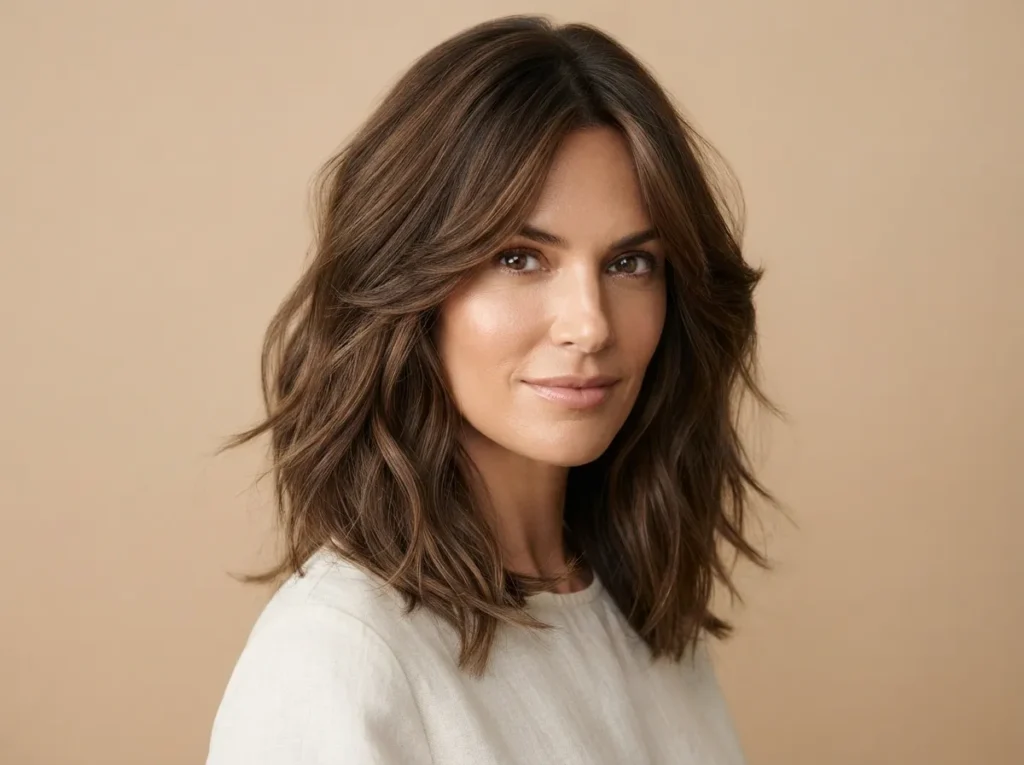
A long layered bob offers the polished structure of a bob with enough length for waves, ponytails, and different partings. Usually ending between the shoulders and collarbones, this haircut can add movement without making the perimeter appear thin. The layer placement can also be adjusted for straight, wavy, curly, fine, or thick hair.
This guide covers 24 long layered bob ideas, including face-framing cuts, curtain bangs, textured ends, asymmetrical shapes, and different color placements. Each option includes simple guidance for discussing the haircut with your stylist and recreating the finish at home.
Before choosing a cut, consider your natural texture, density, and preferred styling routine. Save front, side, and back references showing hair similar to yours. Clear photos will help your stylist decide where the shortest layer should begin and how much weight to retain through the ends.
1. Classic Collarbone-Length Layered Bob
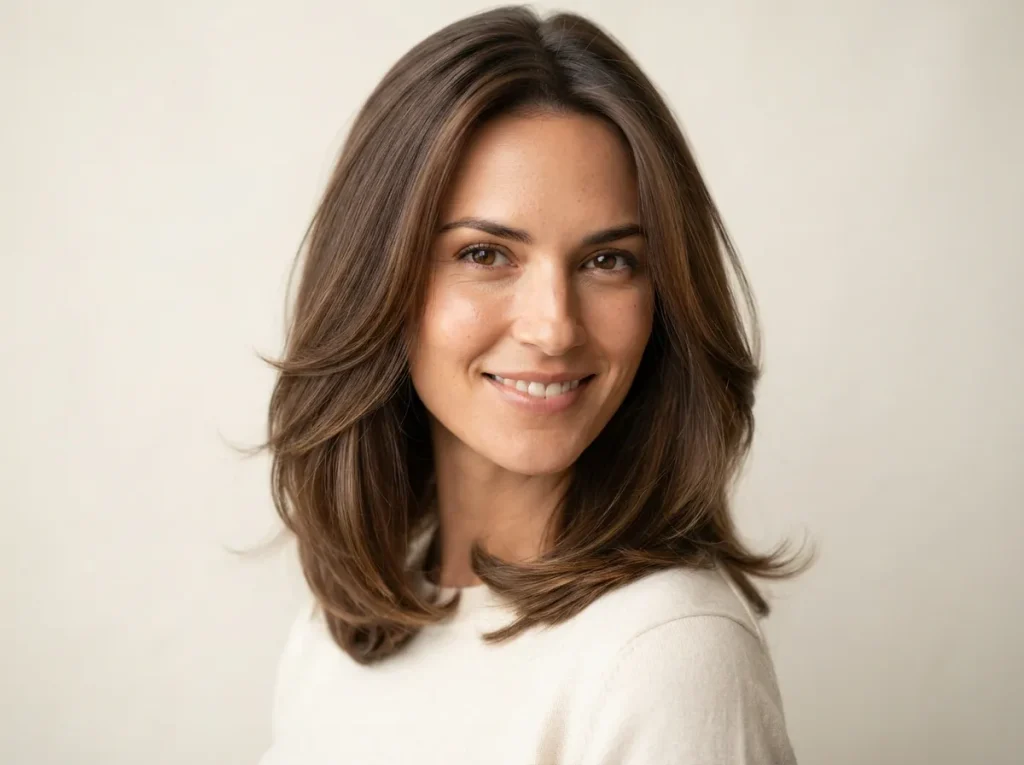
A collarbone-length cut offers enough movement for a bob while keeping the hair easy to tie back. Soft layers prevent the lower section from looking heavy and help the ends curve naturally.
Ask for long graduation beginning below the chin. Keep the perimeter full if your hair is fine or tends to appear thin near the ends.
Dry the front sections away from the face with a medium round brush. Regular trims every eight to ten weeks can preserve the collarbone shape without making the haircut too short.
2. Sleek Straight Long Layered Bob

Straight styling shows the cutting lines of a long layered bob clearly. Subtle internal layers add movement while maintaining a smooth exterior and a strong lower edge.
Ask for minimal surface layering and controlled weight removal underneath. This approach works especially well for medium or thick straight hair.
Use heat protection before drying downward with a paddle brush. Apply a small amount of smoothing serum to the ends, keeping rich formulas away from the roots.
3. Long Layered Bob With Curtain Bangs
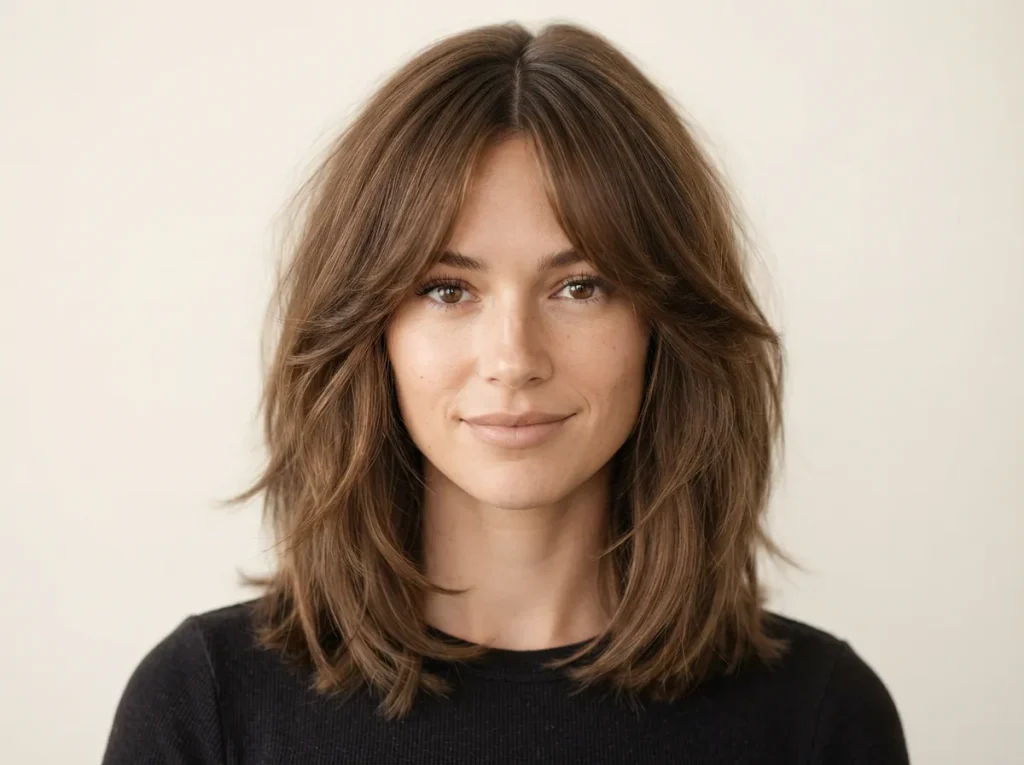
Curtain bangs create softness around the forehead and connect naturally with chin-length layers. Their open center keeps the haircut light while directing attention toward the cheekbones.
Ask for shorter pieces near the middle and gradual length toward the temples. Cheekbone-length outer sections offer easy styling and can be tucked behind the ears.
Set the center part while the hair is damp. Dry each side away from the face with a round brush, then allow the pieces to cool before touching them.
4. Wavy Shoulder-Length Layered Bob
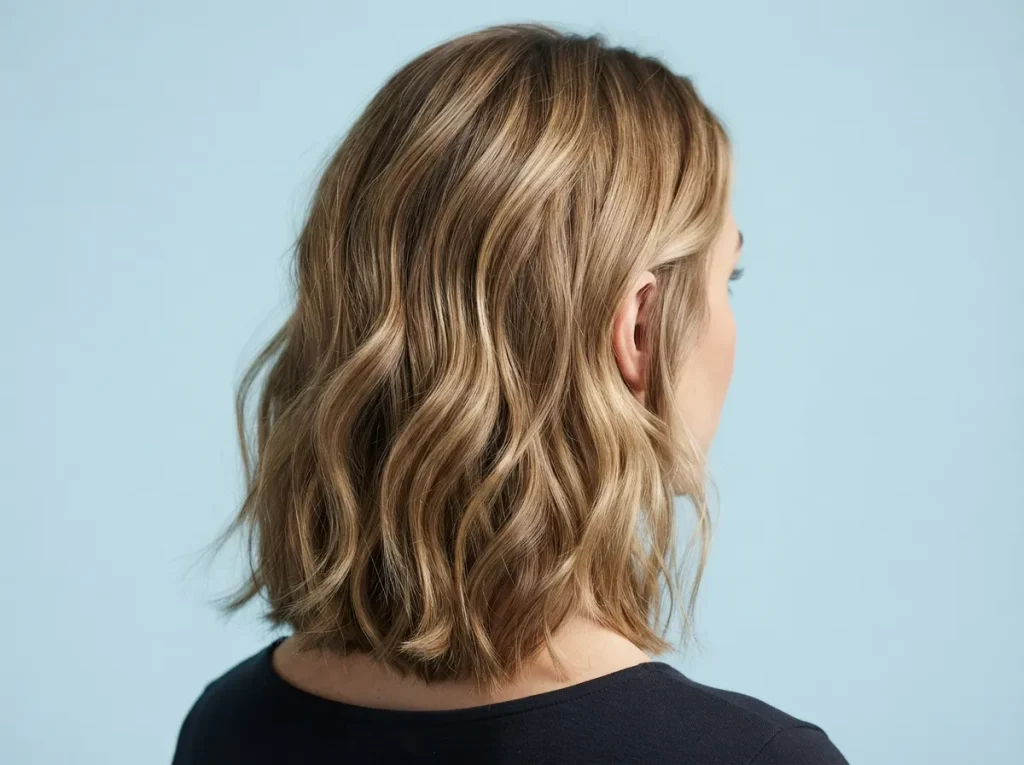
Broad waves make long layers visible and give the shoulder-length perimeter a relaxed finish. This style works well for natural waves or hair shaped with a large curling iron.
Ask for gradual layers through the lower half so the crown remains controlled. Short upper sections may create unwanted width if your hair expands in humidity.
Wrap medium sections away from the face and leave the ends slightly straighter. Let the waves cool, then loosen them gently with your fingers.
5. Asymmetrical Long Layered Bob
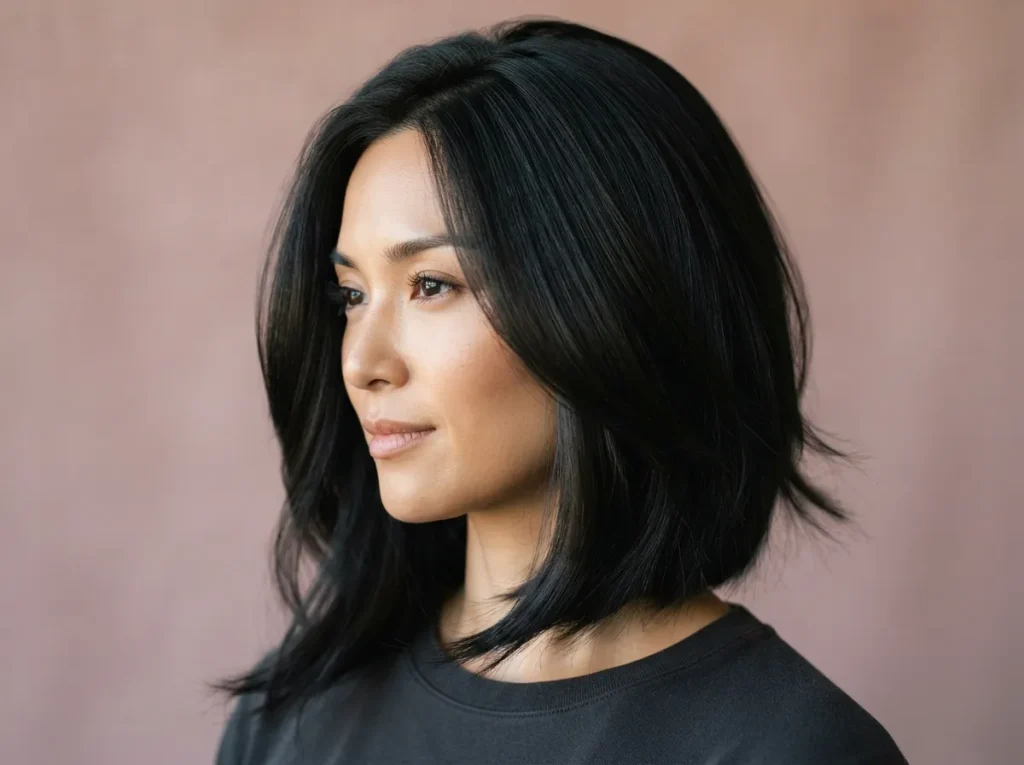
An asymmetrical shape creates movement by keeping one side slightly longer than the other. The difference can remain subtle for everyday wear or become stronger for a more graphic result.
Choose the longer side according to your usual part and preferred face frame. Ask your stylist to connect both lengths smoothly through the back.
Dry the longer section toward the cheek and tuck the shorter side behind the ear. Small trims will preserve the intended difference as the haircut grows.
6. Long Layered Bob With Wispy Bangs
Wispy bangs give the haircut a light frame without covering the forehead completely. Their separated ends work well with soft layers through the cheeks and shoulders.
Ask for point-cut fringe pieces near the eyebrows, with longer sections toward the temples. Avoid removing too much density if your hair is naturally fine.
Dry the bangs forward using low heat and a small brush. Apply styling cream only to the tips so the fringe stays airy rather than grouped together.
7. Tousled Long Layered Bob
Tousled styling gives a layered bob relaxed movement without requiring every section to look identical. Slight bends and straighter ends create a casual shape that suits everyday wear.
Apply lightweight mousse to damp hair and scrunch the lower lengths. You can air-dry natural waves or use a curling iron on selected sections.
Define only the front and upper pieces rather than curling the entire haircut. This keeps the finish soft and reduces repeated heat across the ends.
8. Face-Framing Long Layered Bob
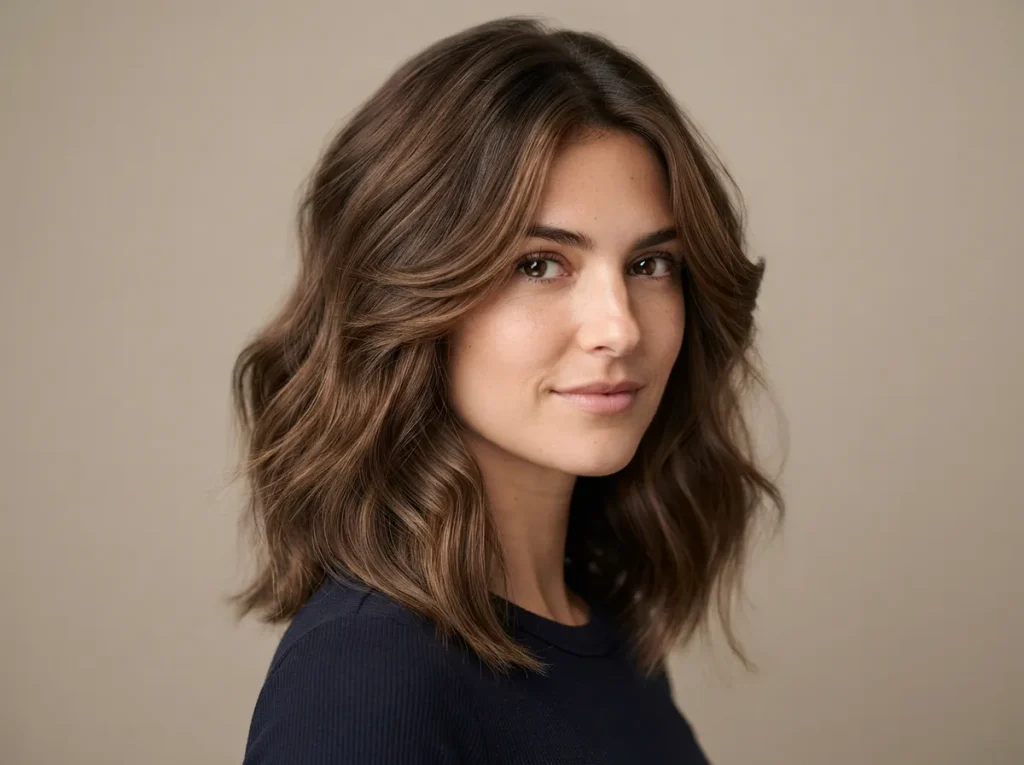
Cheekbone and chin-length pieces soften the front while the back remains near the collarbones. This arrangement adds shape without sacrificing much overall length.
Ask for gradual angles that connect with the lower layers. Large gaps between the front and back can make the haircut appear disconnected.
Use a round brush to direct the shortest sections away from the face. On casual days, tuck one side behind the ear and allow the opposite section to fall naturally.
9. Softly Stacked Long Bob
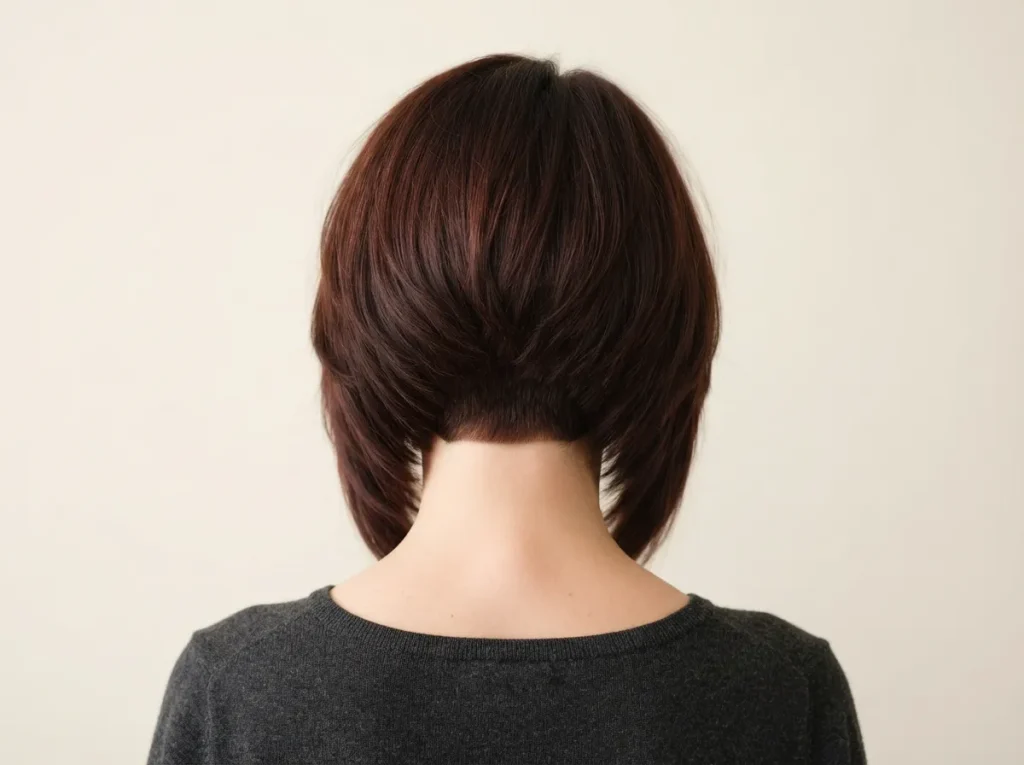
A gentle stack adds shape through the back while keeping the front longer. The graduated nape creates crown volume without producing the sharp outline of a traditional short stacked bob.
Ask for subtle graduation rather than visible steps. The front should remain long enough to reach the shoulder or collarbone.
Dry the back with a round brush, lifting gently at the roots. Book a trim when the nape begins losing its curved shape or flipping outward.
10. Deep Side-Parted Layered Lob
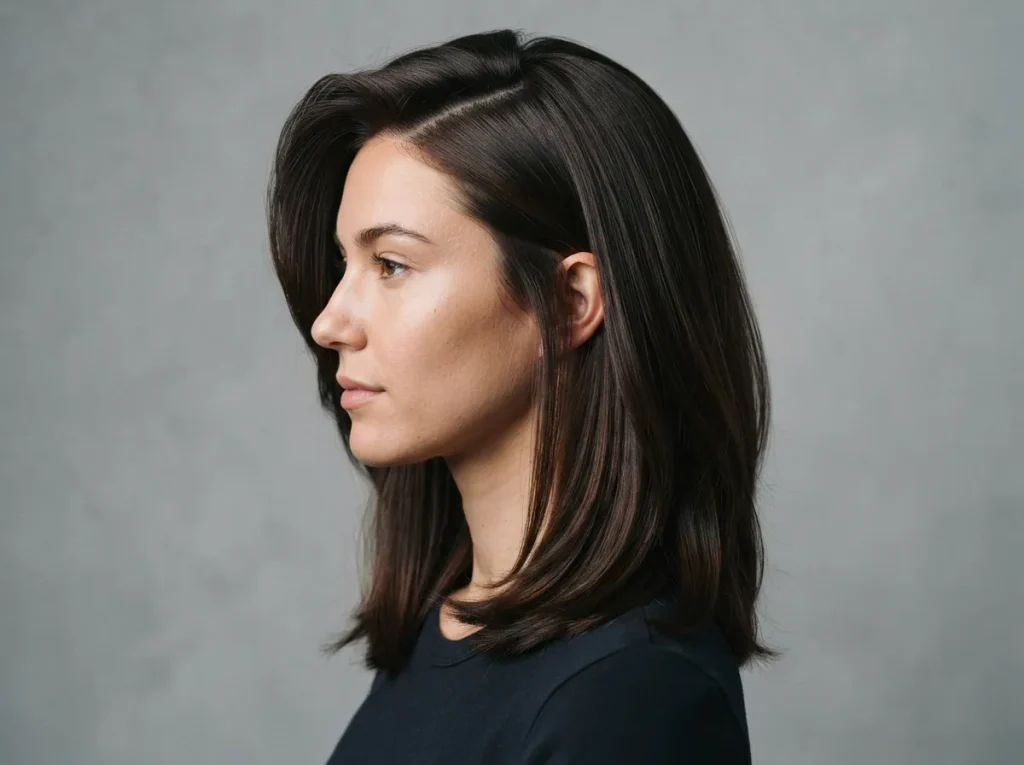
A deep side part adds instant direction and creates gentle height across the crown. The heavier side shows the long layers clearly as they sweep toward the cheek and shoulder.
Dry the roots in the opposite direction before flipping them back. This creates temporary lift without heavy teasing or excessive product.
Keep one side tucked behind the ear for a more defined asymmetrical frame. Use flexible spray near the part so the remaining length can still move naturally.
11. Curly Long Layered Bob
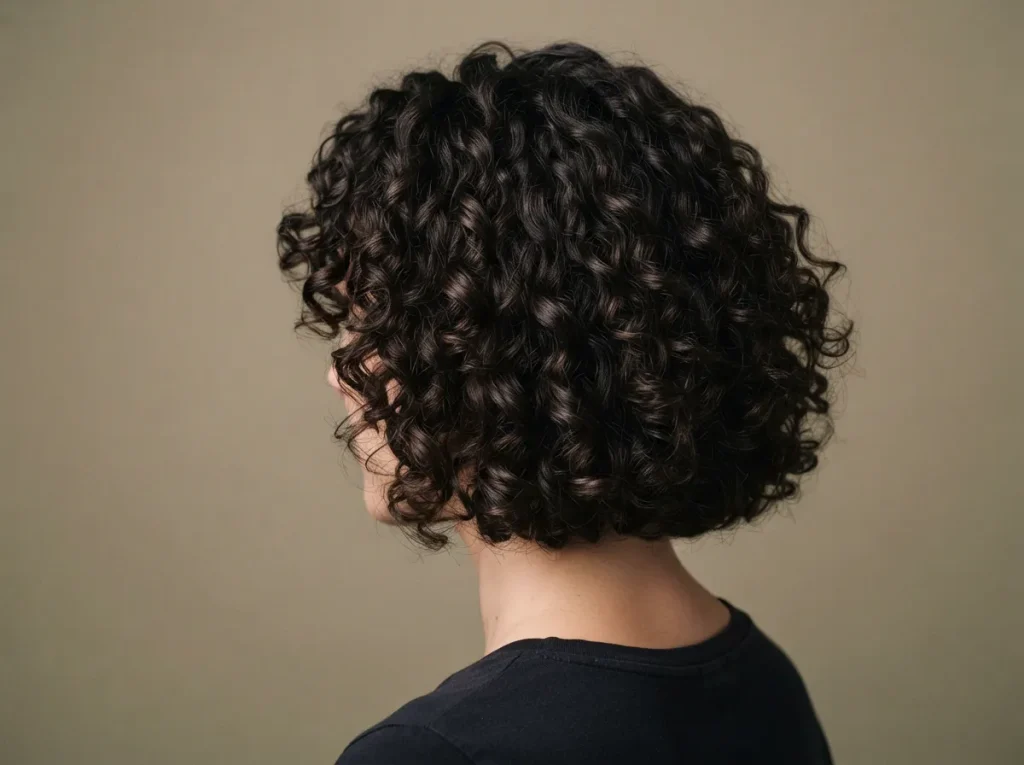
Rounded layers help curls maintain an even shape from the crown through the perimeter. The longer bob length provides enough space for complete ringlets while remaining manageable.
Ask for dry shaping or a final check after the curls have dried. Allow extra length for shrinkage, especially around the front and crown.
Apply leave-in conditioner and curl gel to wet hair, then diffuse on low airflow. Refresh flattened sections with water and finger coiling rather than adding more product everywhere.
12. Long Layered Bob for Fine Hair

Fine hair often looks fuller when the perimeter remains strong and the layers stay limited. A few long sections around the crown and face can add movement without thinning the bottom.
Ask for minimal graduation and avoid extensive razoring. Preserve density through the lower edge for a clean shoulder-length outline.
Apply lightweight mousse near the roots and dry with gentle lift. Heavy oils may flatten fine strands, so use conditioning products mainly on the tips.
13. Long Layered Bob for Thick Hair
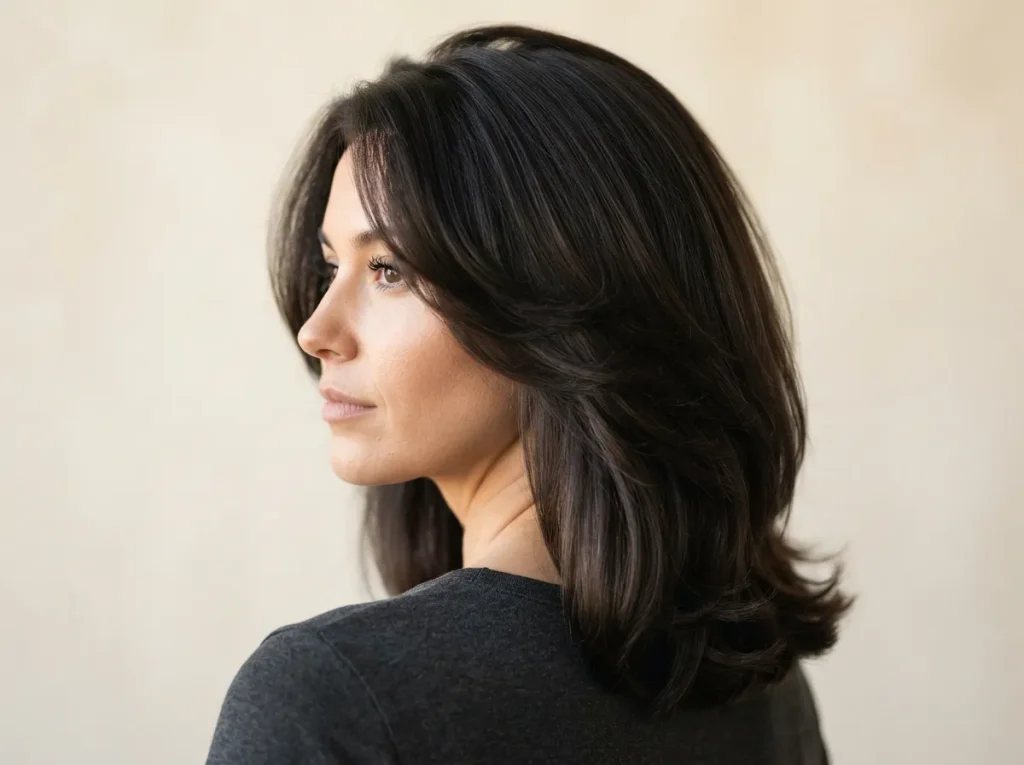
Thick hair can feel lighter when weight is removed beneath the surface. Controlled internal layers create movement while leaving the visible perimeter smooth and substantial.
Tell your stylist where bulk gathers, such as behind the ears or near the nape. Avoid aggressive thinning close to the roots because short internal pieces may expand.
Work in sections while drying and applying conditioner. Gradual weight removal usually provides more control than taking out a large amount during one appointment.
14. Shaggy Long Layered Bob
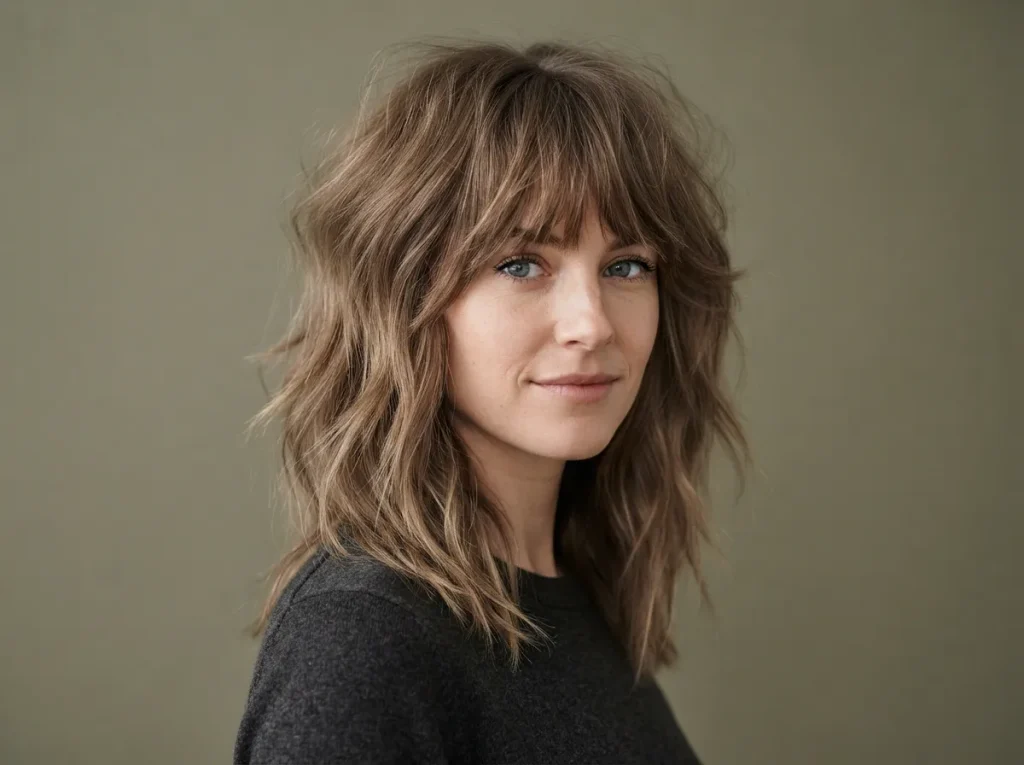
A shaggy lob uses shorter crown layers and textured ends to create relaxed movement. A broken fringe or cheekbone pieces can strengthen the undone character of the cut.
Ask for connected layers rather than large jumps between lengths. Retaining some weight through the bottom keeps the style from appearing overly thin.
Scrunch mousse into damp hair and direct the crown upward while drying. Schedule reshaping when the upper layers become flat or the fringe begins blocking your view.
15. Platinum Lob With Dark Roots
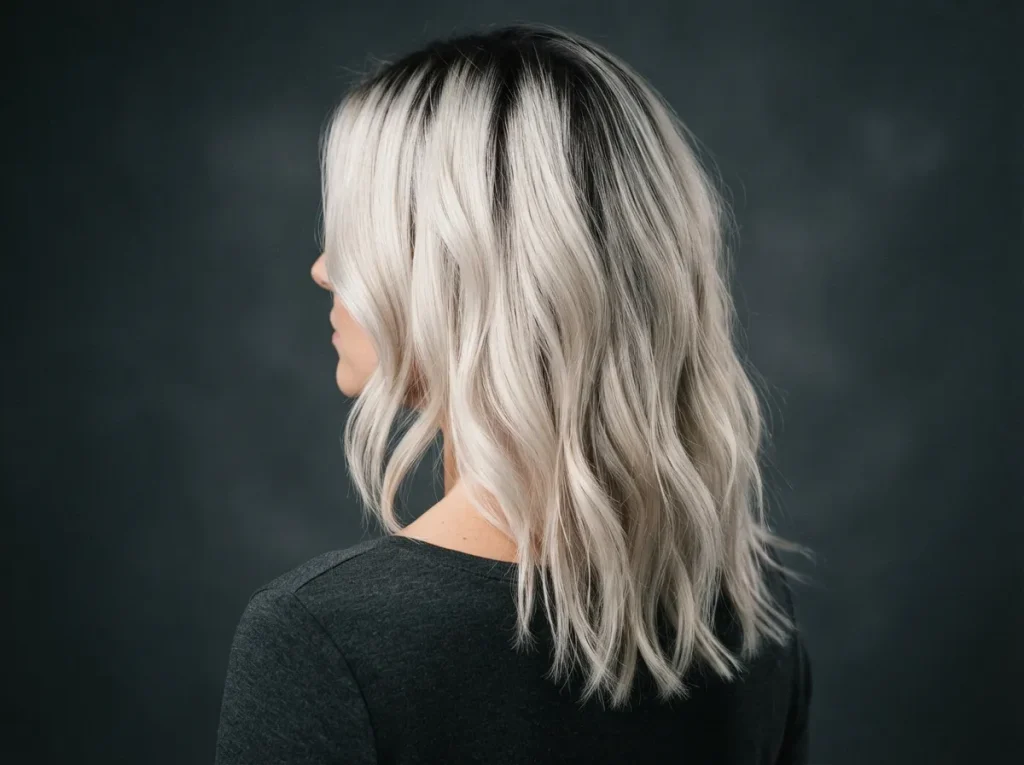
Dark roots give a platinum layered lob greater depth and make each pale section more visible. The shadowed base also creates a more forgiving grow-out than solid light color at the scalp.
Ask for a softly diffused root area that fades into the blonde lengths. Long waves can show the tonal contrast without creating a harsh line.
Use purple shampoo only when unwanted yellow appears. Condition the lightened ends regularly and coordinate color appointments with small perimeter trims.
16. Copper Long Layered Bob
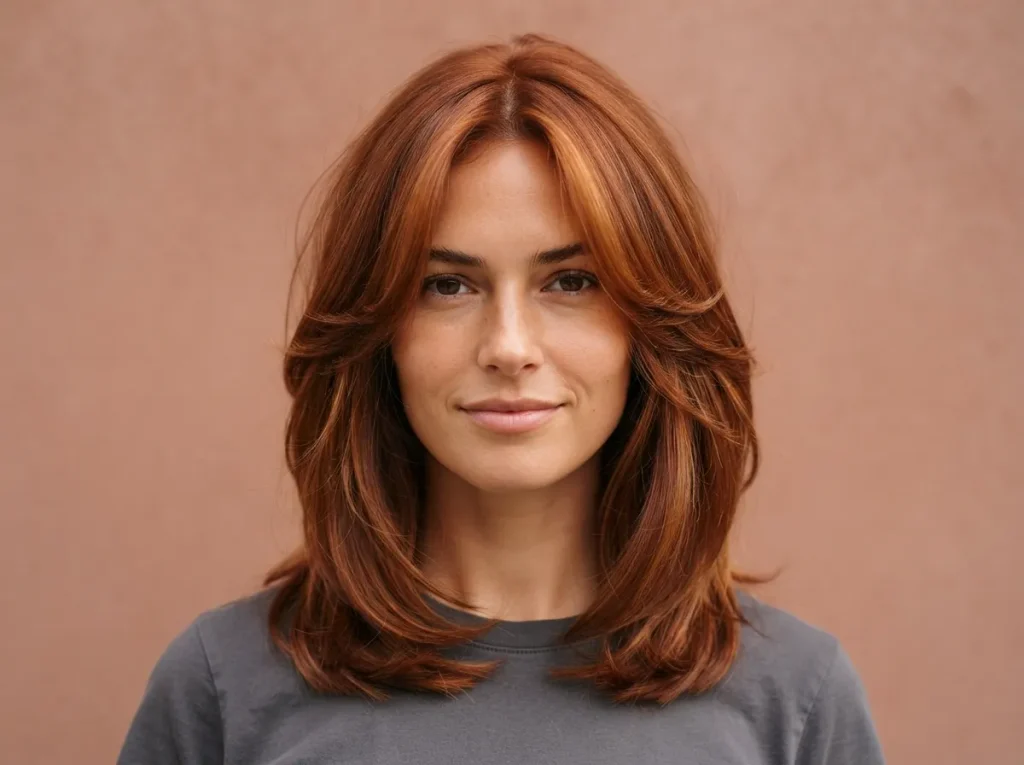
Copper coloring makes the layers more visible as light moves across each curved section. The shade can range from soft ginger to deeper auburn depending on your natural base.
Ask for subtle tonal variation instead of one flat color. Chin-length front layers can highlight the warm shade around the face.
Use lukewarm water and color-safe cleanser to slow fading. A tinted conditioner may maintain the tone, but test it on a hidden section before applying it throughout.
17. Balayage Long Layered Bob
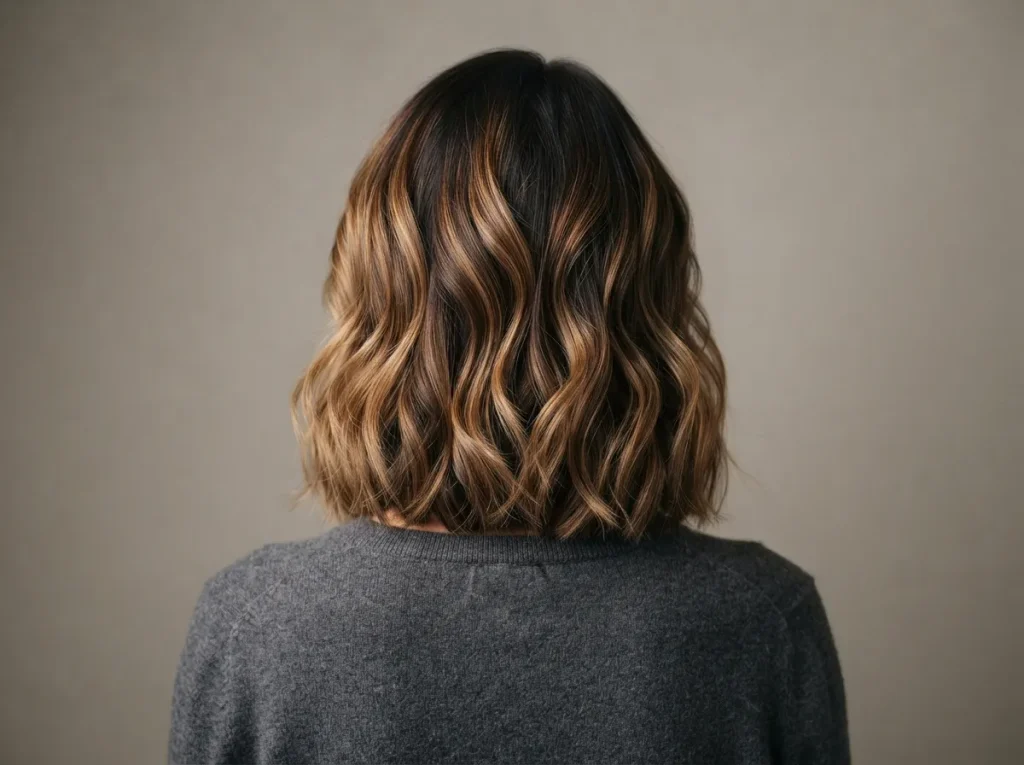
Painted highlights can emphasize movement through a long layered bob without requiring an even all-over color. Lighter sections around the face and ends make the cutting shape easier to see.
Ask for fine front ribbons and softly placed color through selected layers. The placement should follow the haircut rather than forming repeated horizontal bands.
Loose waves show the tonal variation particularly well. Gloss appointments can restore shine between larger lightening services without processing every section again.
18. Layered Lob With Flipped Ends
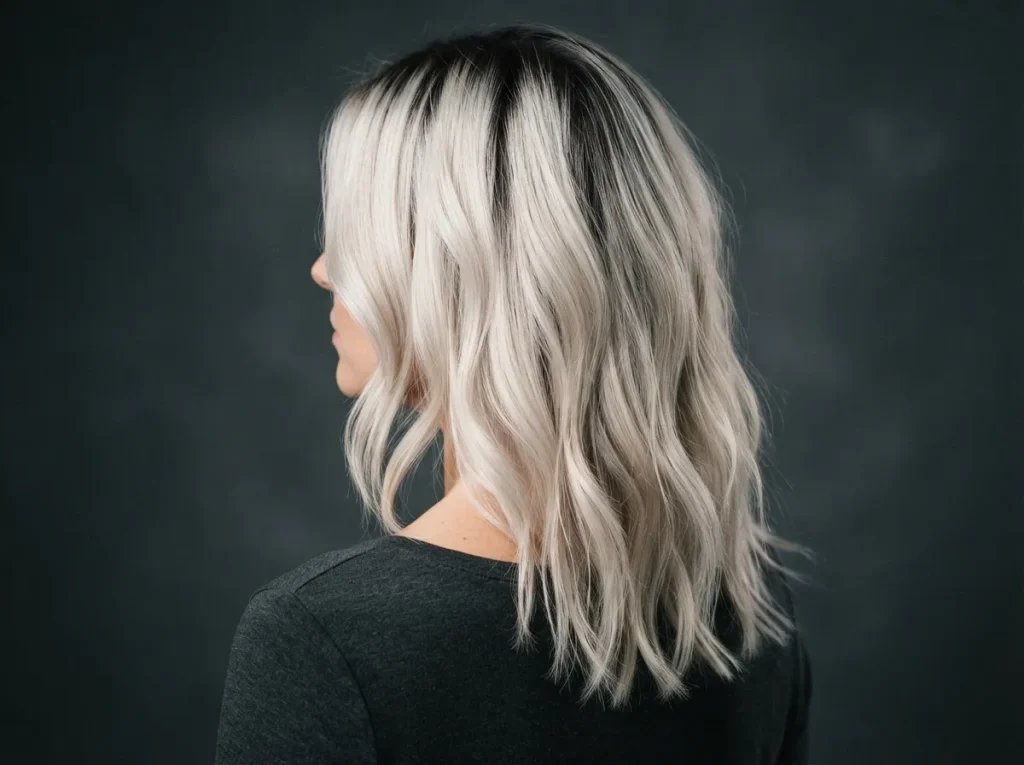
Outward-curved ends give the haircut a playful shape while keeping the crown smooth. The finish works particularly well when the perimeter sits directly above or along the shoulders.
Use a round brush to turn the lower sections outward while drying. A flat iron can also create the flip by curving gently away from the neck.
Apply flexible spray only after the hair cools. Keep the flip broad and soft so the layers move naturally rather than forming stiff hooks.
19. Long Layered Bob With Full Bangs
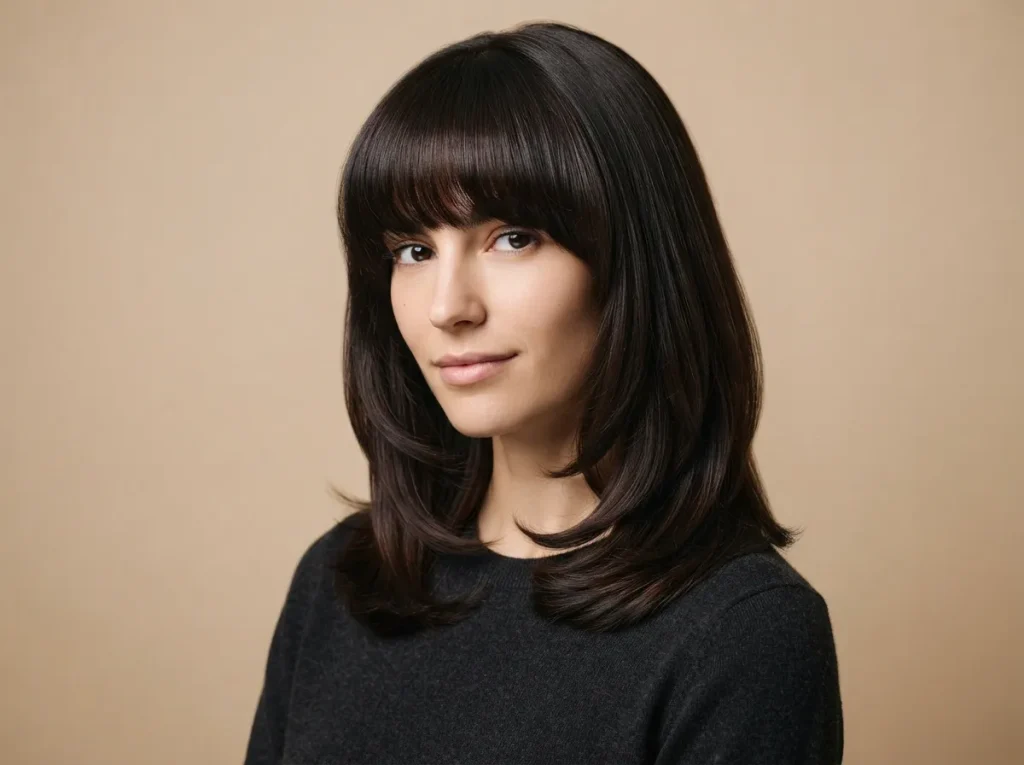
Full bangs create a defined frame that contrasts with softer shoulder-length layers. The fringe can sit near the eyebrows while the sides connect gradually with the rest of the cut.
Ask for enough density to form a smooth line without making the bangs excessively heavy. Thick hair may benefit from controlled weight removal underneath.
Dry the fringe immediately after washing and move the brush from side to side. Small trims between full appointments will keep the hair away from the eyes.
20. Natural Gray Layered Lob
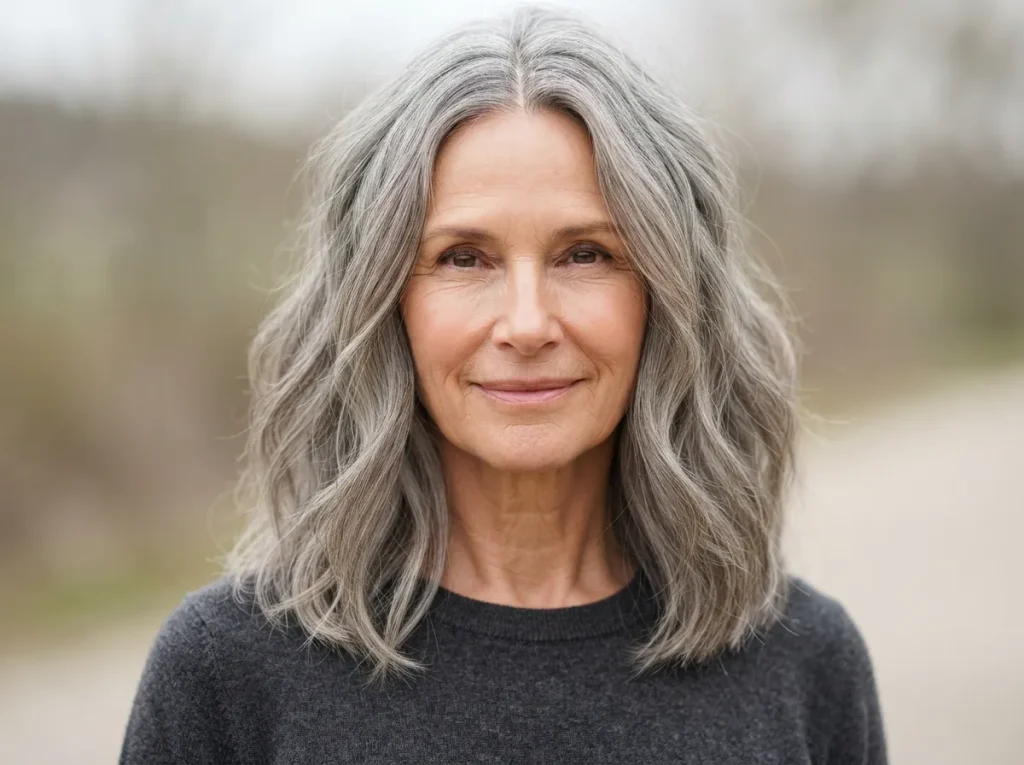
Gray strands create natural dimension through a shoulder-length layered cut. Soft waves and face-framing pieces allow silver, white, and charcoal tones to remain visible.
Ask for layers that follow your natural texture and preserve a full perimeter. Mixed gray textures may respond better to gentle shaping than aggressive thinning.
Use lightweight leave-in conditioner to control coarse or dry sections. Clarifying shampoo can remove occasional residue, while purple shampoo should be reserved for unwanted warmth.
21. Long Bob With a Hidden Undercut
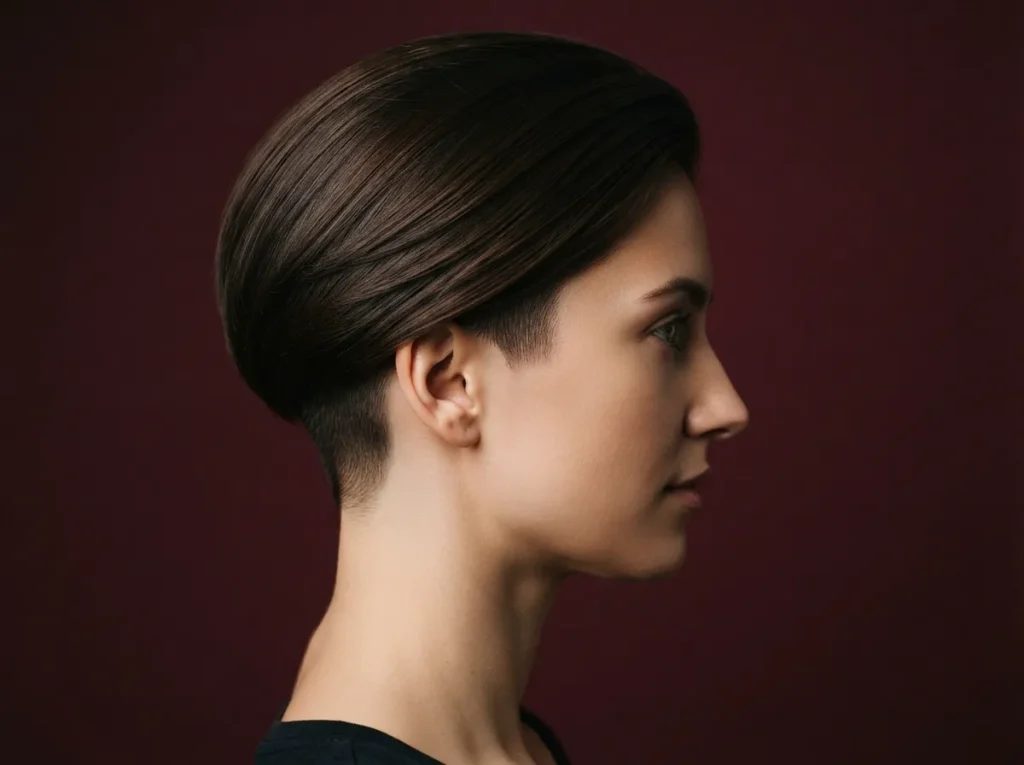
A hidden nape undercut removes weight beneath thick shoulder-length hair. The longer exterior can cover the clipped section completely when worn down.
Discuss the height and width of the undercut before cutting. A smaller area offers easier growth if you later decide to return to one length.
The short section may require attention every three to five weeks. Keep the upper layers long enough to cover developing growth and maintain the smooth bob outline.
22. Half-Up Layered Lob
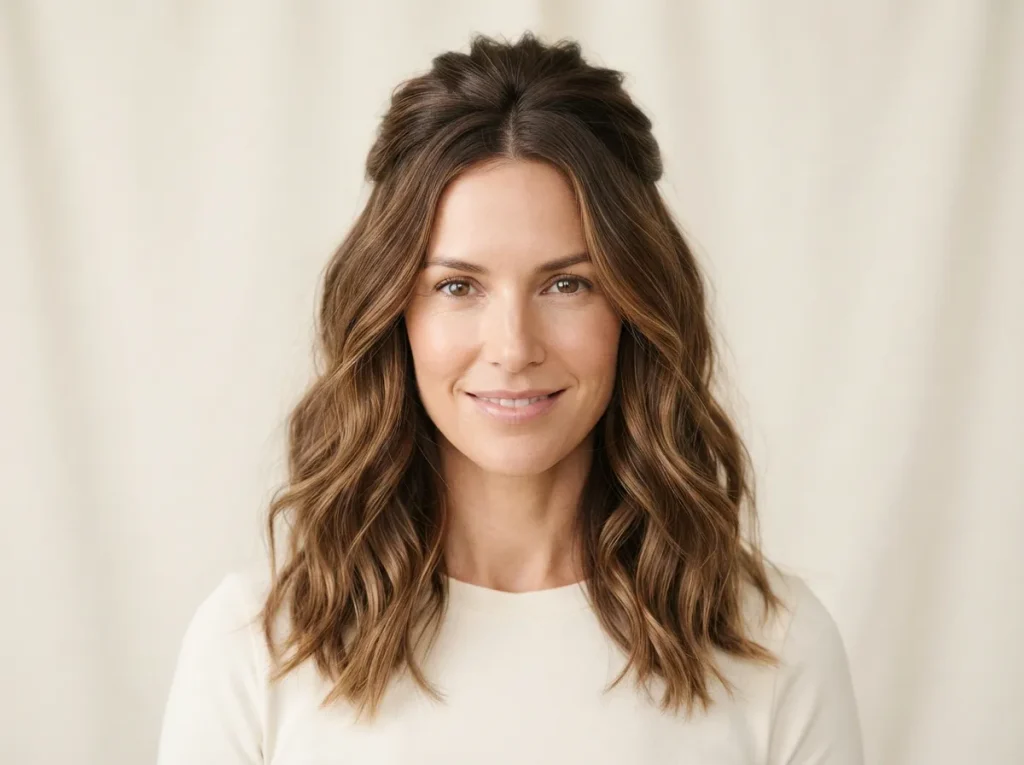
A half-up style shows the movement of the lower layers while keeping the front away from the face. The collarbone length provides enough hair for a secure upper section.
Gather small pieces from above both ears and fasten them loosely at the back. Leave chin-length sections outside if you want a softer frame.
Fine hair should retain more loose density, while thick hair may require crossed pins for support. Release the fasteners carefully to avoid catching layered ends.
23. Long Layered Bob With Rounded Ends

Inward-curved ends give a long bob a polished outline without making it appear rigid. The rounded perimeter pairs well with subtle layers that begin below the chin.
Dry the lower sections over a large round brush and curve them gently toward the neck. Allow the hair to cool before separating the layers.
Use a lightweight smoothing cream through the tips. Avoid curling too tightly, since a broad curve usually looks softer and lasts more naturally.
24. Grown-Out Long Layered Bob
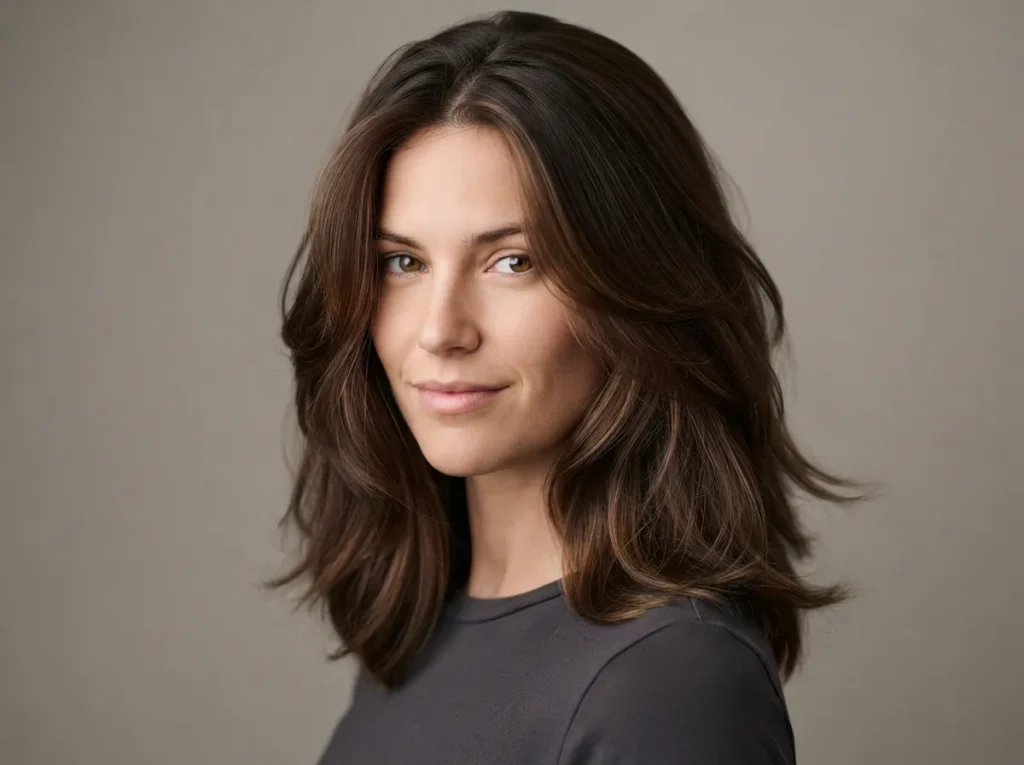
A grown-out lob can remain polished when the perimeter is refined and the layers stay connected. The extra length moves below the collarbones while retaining the original bob structure.
Tell your stylist that you want to preserve growth. Ask for dry-end removal and bulk control rather than shortening every section.
Change the part or add loose waves when the shape begins feeling heavy. Small maintenance trims can guide the haircut toward a longer style without losing its balanced outline.
Conclusion
A long layered bob can be shaped for straight, wavy, curly, fine, or thick hair. Face-framing pieces add softness, curtain bangs open the forehead, and internal layers reduce weight without changing the exterior. Color techniques such as balayage, platinum roots, copper tones, and natural gray can make the movement more visible.
Choose one or two ideas that resemble your current texture and density. Pay attention to the finished length, shortest layer, fringe placement, perimeter strength, and amount of styling shown in each reference.
Bring clear front, side, and back photos to your appointment. Ask how the cut will behave when air-dried and whether it can still be tied back. Begin with longer layers if you are uncertain, since they can be shortened after you see how the first version sits during your normal routine.