Honey hair color brings together warm golden, amber, beige, and caramel tones for a soft result that can brighten many brunette and blonde bases. It can appear subtle on light brown hair or create stronger contrast when painted through deeper roots.
There are plenty of ways to wear this warm shade. You can choose all-over honey blonde, dimensional balayage, golden highlights, deeper honey brown, face-framing ribbons, or a softer ombré effect. The placement can also be adapted to straight, wavy, curly, short, or long hair.
The ideas below explore 24 honey hair color options with practical tips for choosing placement, depth, and styling. You will find low-contrast choices for natural-looking dimension as well as brighter options for anyone who prefers more visible warmth. Use these examples as references when deciding which honey tone suits your current base and maintenance routine.
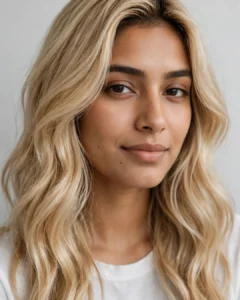
1. Classic Honey Blonde Hair

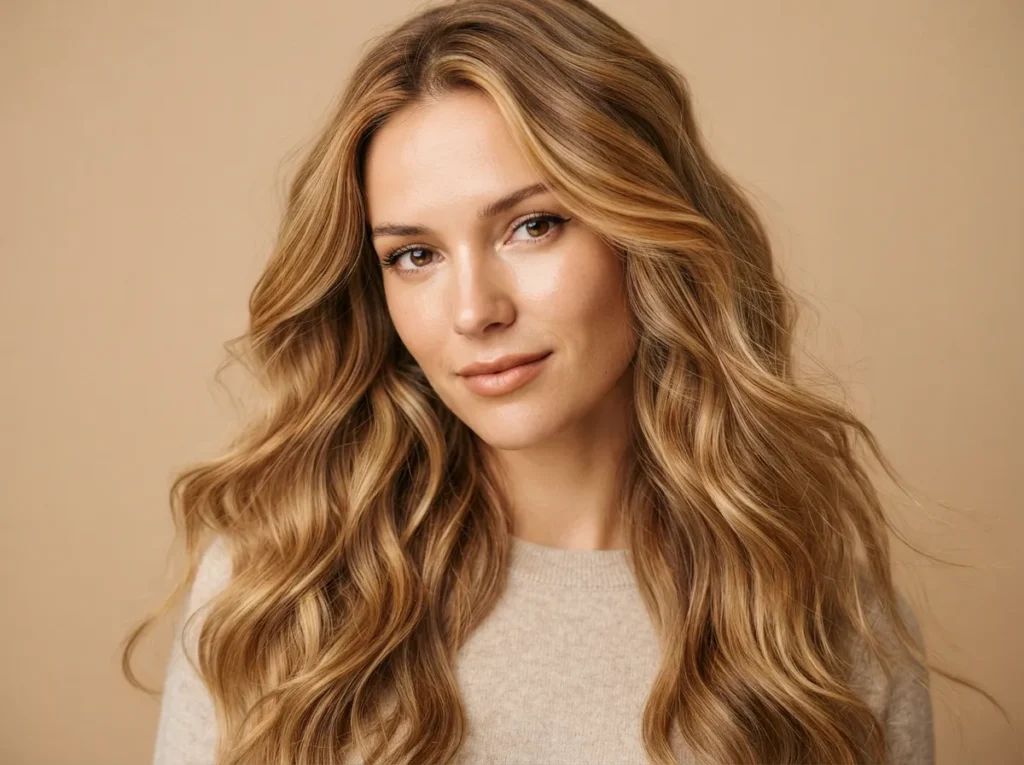
Classic honey blonde combines warm gold with soft beige for a rich color that does not appear overly yellow. It works especially well on dark blonde and light brown bases.
Ask for golden-beige tones with slightly deeper roots to create natural depth. Loose waves can make the different warm shades easier to see, while regular conditioning helps lighter lengths stay smooth.
2. Honey Blonde Balayage

Honey balayage adds golden brightness while allowing darker roots to remain visible. This makes it a practical option if you like dimension but do not want a solid blonde color from the scalp downward.
Ask for fine honey ribbons near the face and wider pieces toward the ends. Keeping the root area deeper can also make new growth less obvious between appointments.
3. Honey Brown Highlights

Honey brown highlights are ideal when you want warmth without moving into a noticeably blonde result. The golden-brown pieces can soften a medium brunette base while keeping plenty of natural depth.
Choose highlights only one or two shades lighter than your base for a quieter result. A curved blowout or soft waves will make the warm sections more visible without changing the overall brunette feel.
4. Caramel Honey Balayage
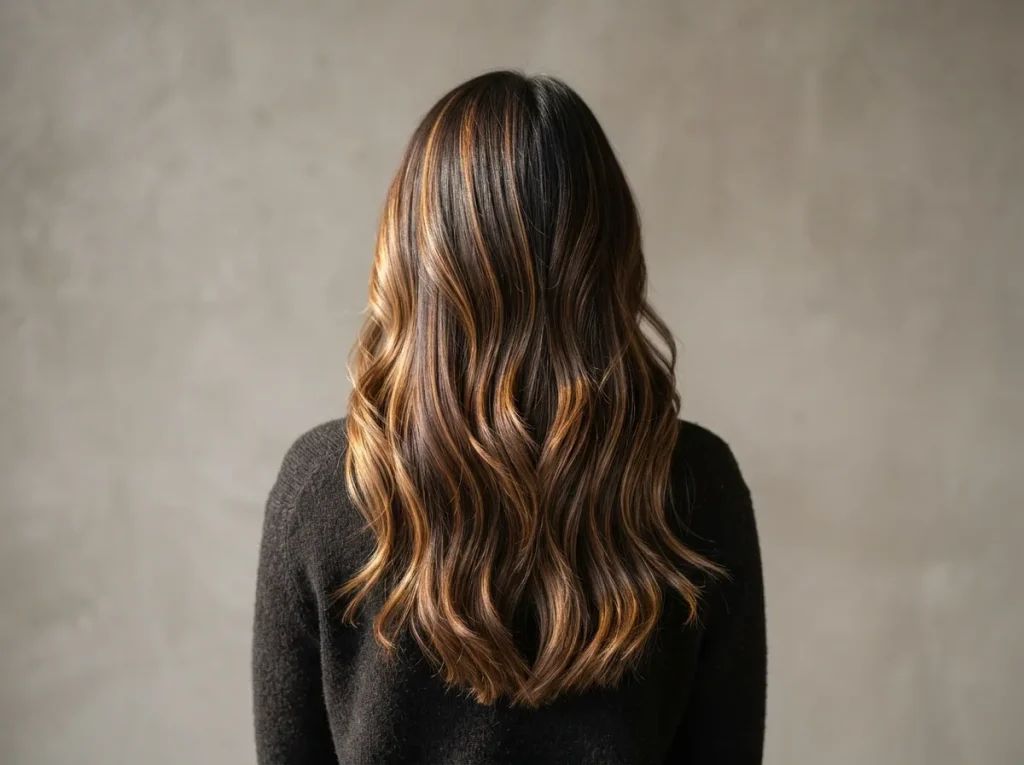
Caramel and honey tones work beautifully together on brunette hair because both carry warm golden undertones. The result feels richer than pale blonde and offers clear dimension through waves or layers.
Ask for deeper caramel near the middle lengths and lighter honey pieces toward the ends. This gradual placement keeps the darker base visible while giving the lower sections more brightness.
5. Honey Beige Hair

Honey beige balances golden warmth with a softer neutral undertone. It can suit anyone who likes honey hair color but prefers something less yellow than a strong golden blonde.
Ask for beige-gold tones through the middle and ends while leaving a little depth near the roots. This shade looks particularly polished on shoulder-length hair styled with relaxed waves.
6. Honey Face-Framing Highlights
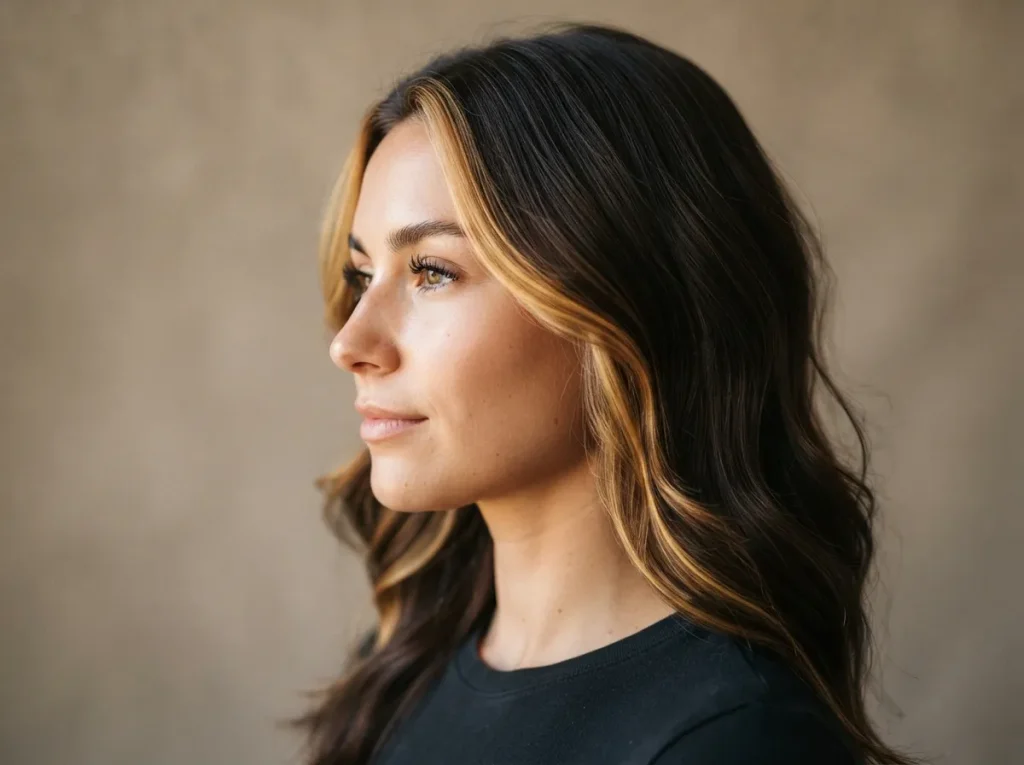
Brightening only the sections around the face can create a noticeable change without coloring every strand. Honey tones work especially well against brunette roots because the contrast stays warm.
Ask for fine golden pieces near the hairline with a few softer ribbons through the lower lengths. This approach can also make future touch-ups more focused than an all-over lightening service.
7. Chestnut Honey Hair

Chestnut brown and honey gold create a rich warm pairing without making brunette hair overly light. The deeper reddish-brown base gives the golden pieces more depth.
Keep the honey sections scattered rather than evenly placed across every strand. Long layers help separate the colors, especially when styled with broad waves or a soft blowout.
8. Honey Ombré Hair

A honey ombré keeps the upper section darker and gradually lightens toward golden ends. It works well when you want visible warmth without placing bright color directly at the roots.
Ask for the lightest honey tone through the lower third of the hair with a gentle fade above it. Medium and long lengths provide enough space for the color shift to appear smooth.
9. Golden Honey Highlights

Fine golden highlights can give dark blonde hair more warmth while keeping the base recognizable. They are useful if your natural color already sits close to honey and you only want more dimension.
Request thin warm highlights through the crown and face area. Keeping some darker strands between them prevents the finished color from looking flat or completely uniform.
10. Dark Honey Brown Hair
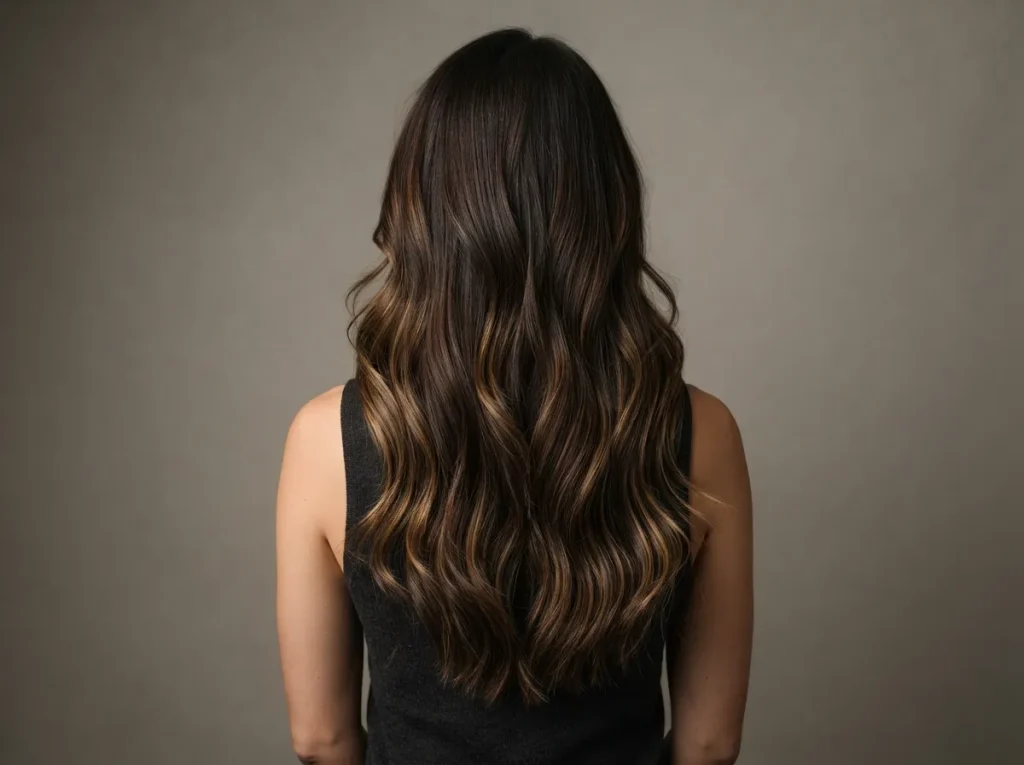
Dark honey brown is a subtle choice for brunettes who want warmth without going noticeably blonde. The golden-brown undertone creates dimension while keeping the overall color rich and deep.
Ask for deep honey sections around the mid-lengths and ends. This works especially well on dark brown hair because the color difference stays soft and easy to wear.
11. Amber Honey Hair

Amber honey leans slightly warmer and more orange than classic honey blonde. It can create a rich effect on medium brown or naturally warm hair without becoming a bright copper shade.
Ask for golden amber tones with deeper brown underneath. Soft curls can show the warm color variation clearly, especially when the lighter pieces sit around the outer layers.
12. Cinnamon Honey Hair
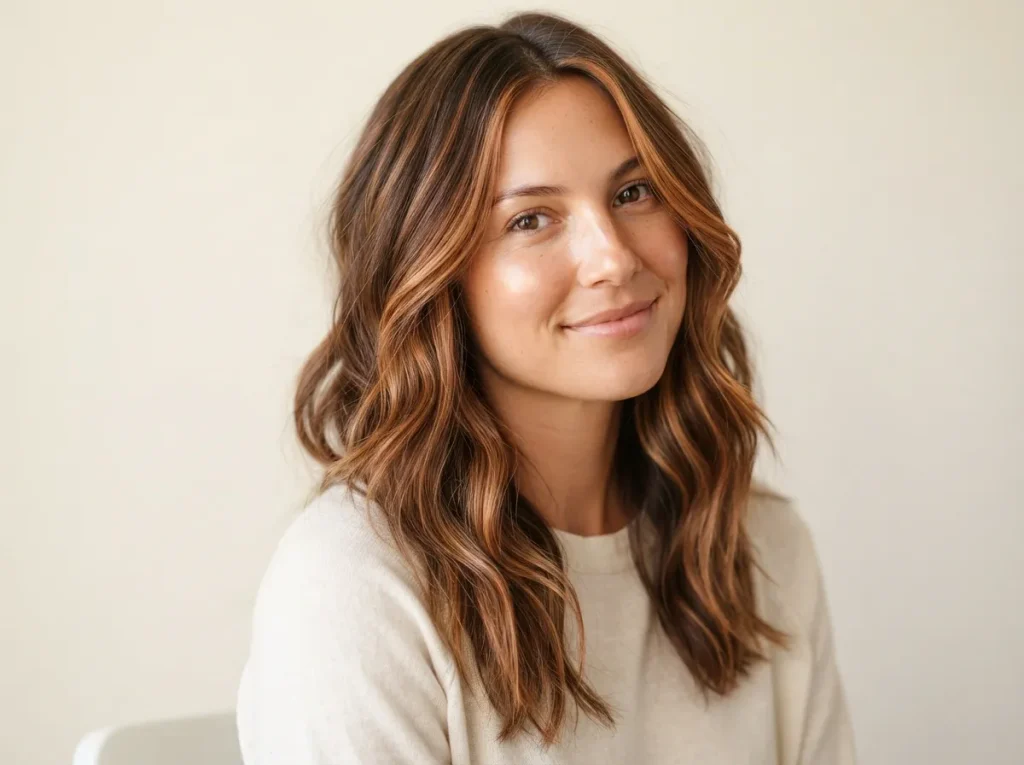
Cinnamon honey mixes golden warmth with a soft reddish-brown undertone. It is a good option if regular honey blonde feels too light or if your brunette base naturally has warmer tones.
Keep the cinnamon depth near the roots and add lighter honey sections through the outer layers. This gives the color movement while preserving a rich overall finish.
13. Creamy Honey Blonde
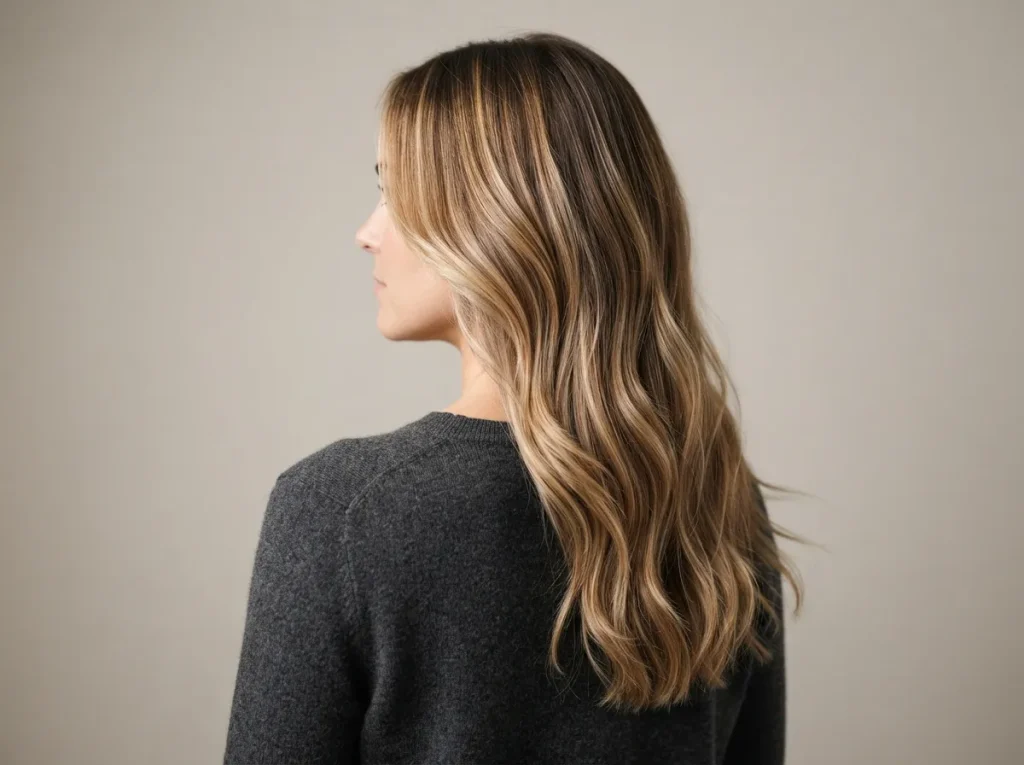
Creamy honey blonde combines warm gold with a soft pale finish, making it lighter than caramel but less stark than icy blonde. It works nicely when you want visible brightness without a cool appearance.
Ask for creamy golden pieces around the face and ends while keeping subtle depth underneath. Regular moisture treatments can help lightened sections remain smooth and flexible.
14. Honey Bronze Balayage

Honey bronze combines brown, gold, and warm honey tones for a richer effect than light blonde balayage. It pairs particularly well with medium and deep brunette bases.
Ask for bronze through the middle lengths and brighter honey pieces around the ends. Loose waves can make each color level easier to see while keeping the overall look polished.
15. Honey Highlights on Curly Hair
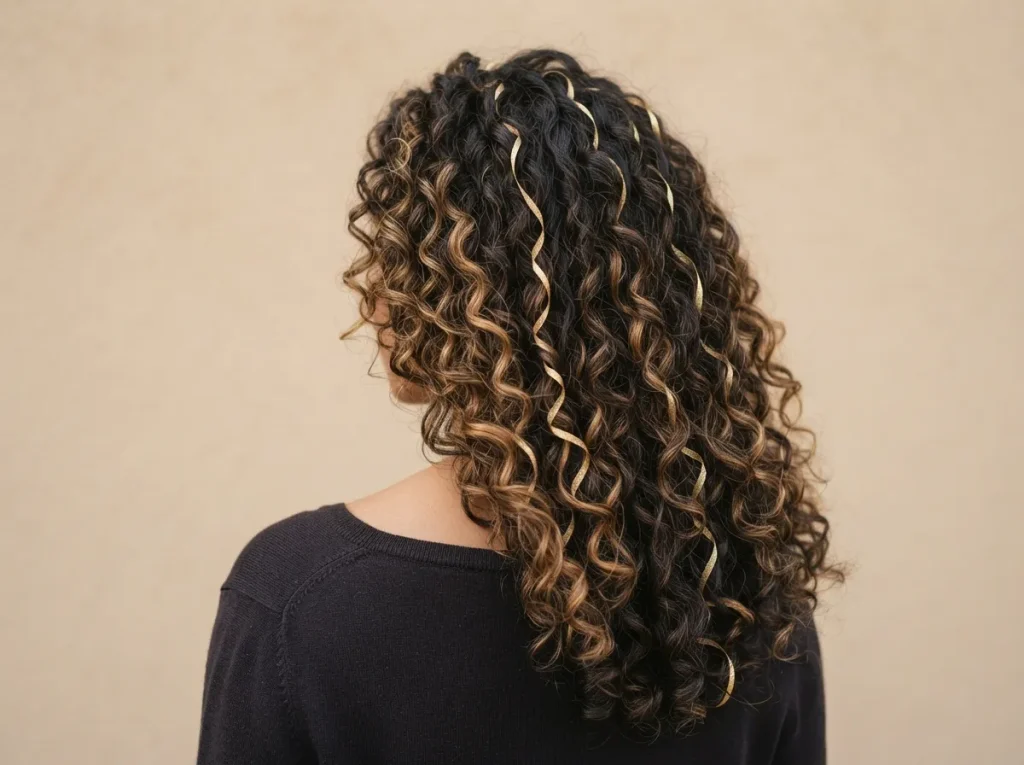
Honey highlights can make curls appear more dimensional because the lighter strands follow different curves through the hair. Selective placement also keeps darker sections visible between the golden pieces.
Ask your colorist to paint specific curls around the face and outer layers rather than coloring every section. Use moisturizing curl care afterward to support definition and softness.
16. Honey Blonde Wavy Bob

A wavy bob can show honey tones clearly because the shorter length keeps the lighter sections close to the face. Slightly deeper roots add enough contrast to keep the color dimensional.
Ask for golden honey pieces through the front and perimeter. Soft bends made with a small curling tool or heatless method can help separate the different tones.
17. Layered Honey Brown Hair

Layers can make honey brown color appear more dynamic by placing lighter sections at different lengths. This works well when you want movement without making the hair dramatically lighter.
Ask for soft layers beginning around the cheekbones or shoulders with warm honey pieces painted through the surface. A round-brush blowout can help separate the layers.
18. Long Straight Honey Blonde Hair

Straight styling gives honey blonde a smoother, more polished appearance and makes the color shift from darker roots to lighter ends easy to see. It works especially well on long, healthy-looking lengths.
Use heat protectant before smoothing and keep temperatures moderate. Regular trims and conditioning through the ends can help the long lightened sections stay tidy.
19. Honey Blonde With a Shadow Root
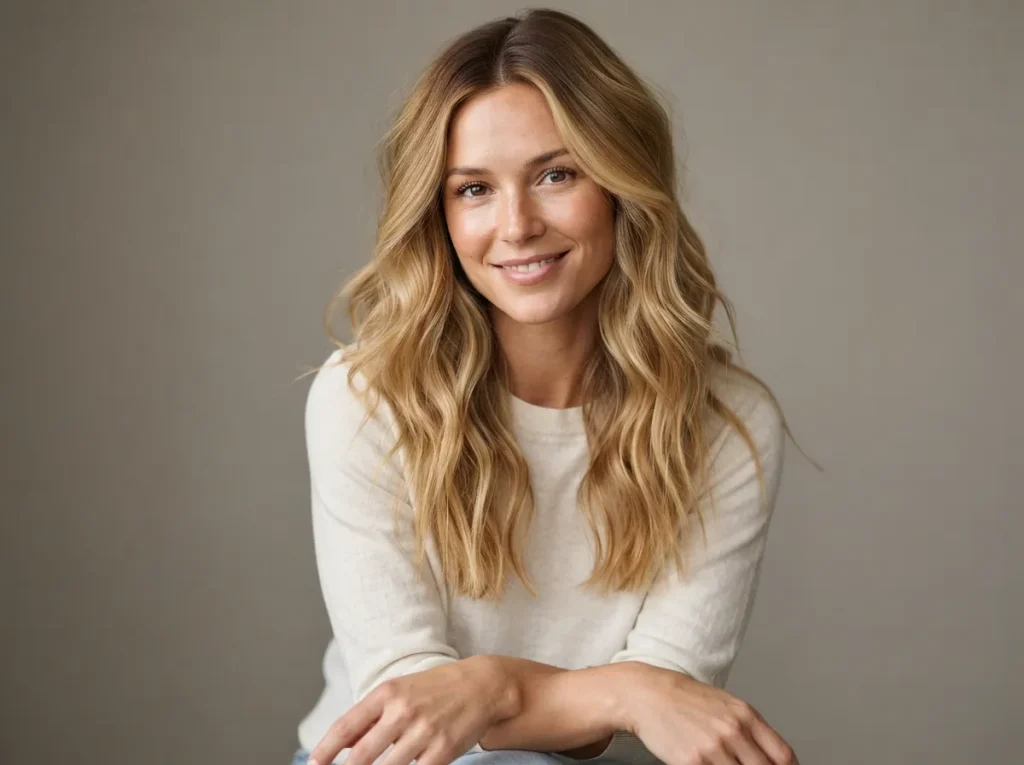
A shadow root keeps the color deeper near the scalp while honey blonde appears through the middle and ends. This can give the hairstyle more depth and make regrowth less obvious.
Ask for a soft warm root close to your natural shade rather than a harsh dark band. Loose waves can help the darker and lighter areas flow together visually.
20. Bright Honey Money Pieces

Brighter front sections can make honey hair color feel lighter without changing every strand. This works well when you want the face area to stand out while keeping depth through the back.
Ask for two softly widened honey ribbons near the hairline with finer pieces beside them. Keep the rest of the color slightly deeper for clear contrast.
21. Fine Honey Babylights
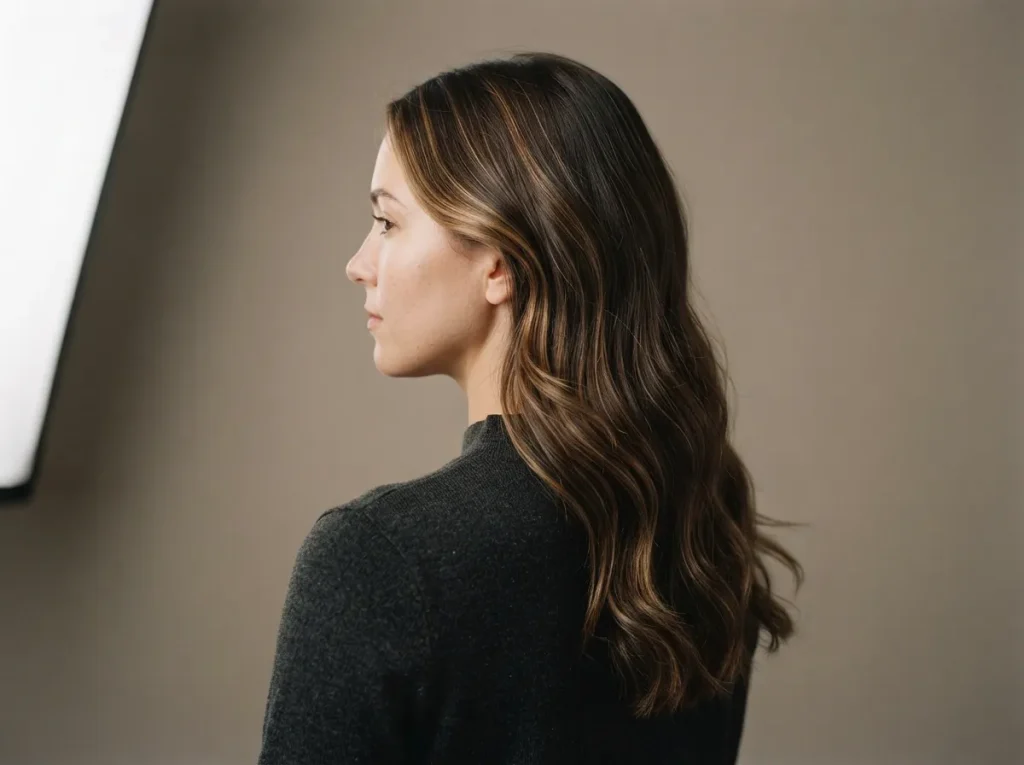
Babylights create very fine ribbons of warmth that can look softer than traditional highlights. They are a good choice when you want honey tones distributed throughout the hair without strong stripes.
Ask for thin golden sections around the crown and face with natural brunette left between them. The subtle placement can work beautifully on both straight and wavy textures.
22. Honey Hair With Curtain Bangs

Curtain bangs can bring honey tones directly around the face while connecting smoothly into layered lengths. The warm color also makes the shorter front sections easier to notice.
Ask for brighter honey through the bangs and nearby face-framing layers. Blow-dry the fringe away from the face with a round brush for soft movement.
23. Honey Highlights With Warm Lowlights
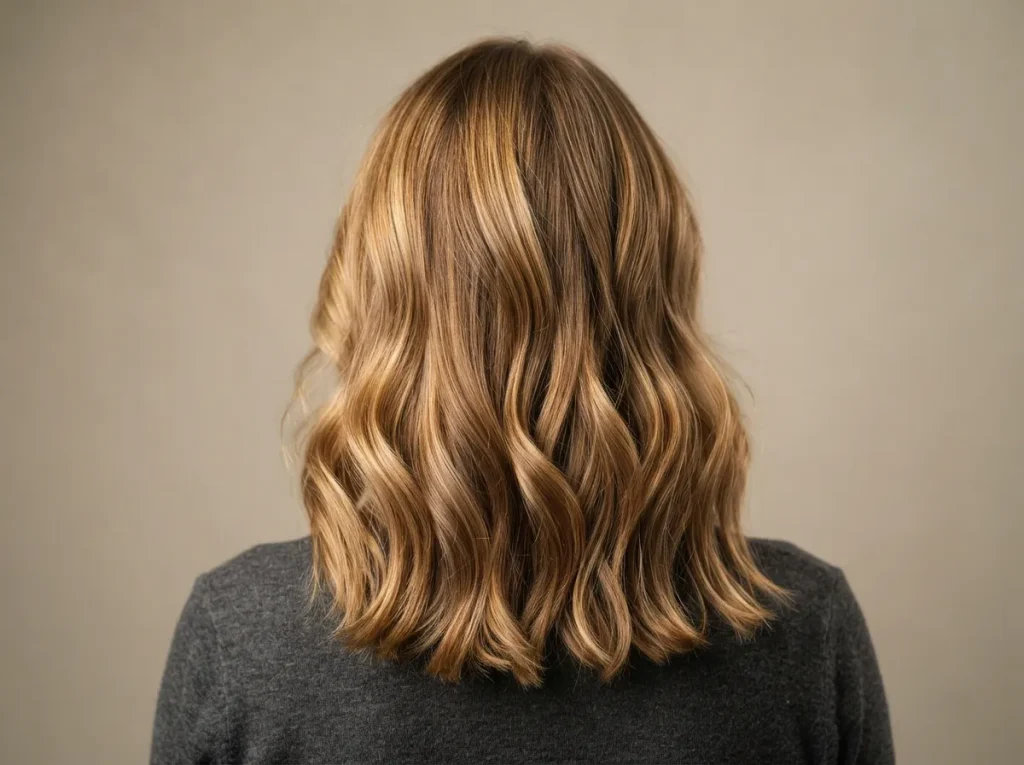
Combining lighter honey pieces with warm brown lowlights can add depth to hair that feels too uniformly blonde. The darker sections create contrast without making the overall color appear heavy.
Ask for soft brown lowlights underneath and honey brightness around the surface. This placement can make waves and layers look more defined.
24. High-Contrast Honey Balayage
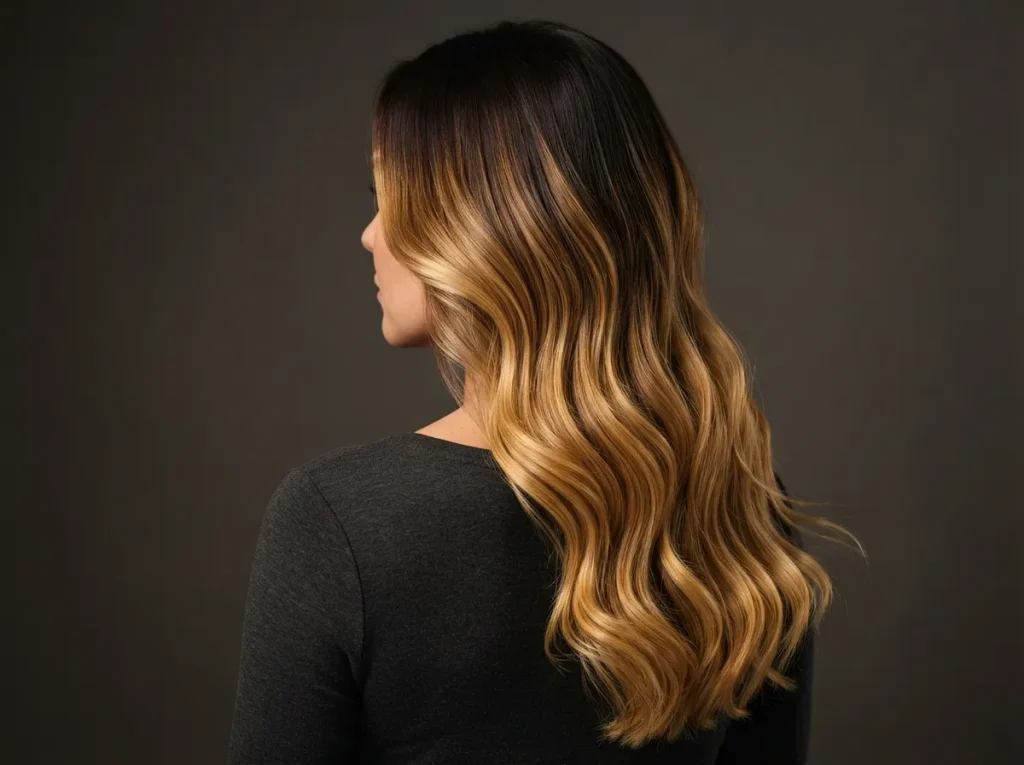
High-contrast honey balayage keeps the roots distinctly dark while creating brighter golden sections through the middle and ends. It is ideal if you want warmth that is clearly visible against brunette hair.
Keep some dark strands between the light sections so the dimension remains strong. Ask for maximum honey brightness toward the ends and use regular conditioning on the lightened lengths.
Conclusion
Honey hair color can range from deep golden brown to creamy blonde, amber, caramel, bronze, and soft beige-gold. That range makes it easy to adapt the shade to brunette, light brown, blonde, curly, straight, short, or long hair.
If you prefer lower contrast, honey babylights, dark honey brown, or subtle face-framing pieces can add warmth without changing most of your base. For a more visible result, try honey balayage, brighter money pieces, ombré, or a lighter all-over honey blonde.
Choose one or two ideas that closely match your current hair color and save clear reference images before booking an appointment. Talk with your colorist about realistic lightening, root depth, maintenance, and toning. A well-chosen honey shade should fit both your preferred look and the amount of upkeep you are comfortable maintaining.