20 Aqua Hair Color Ideas for a Bold New Look
Aqua hair offers a striking mix of blue and green tones that can feel playful, dramatic, or surprisingly polished. It works across many hair lengths and textures, from close-cropped pixies to flowing waves. You can choose a pale watery tint, an intense turquoise shade, or a darker ocean-inspired color.
The right option depends on your starting hair color, preferred upkeep, and personal style. Some looks require an even lightened base, while others use shadow roots or partial coloring to make maintenance easier.
Below, you will find 20 aqua hair ideas covering solid color, highlights, ombré effects, curls, braids, and short cuts. Each idea includes practical guidance for choosing tones, styling the finished color, and keeping it attractive between appointments. Save one or two favorites before speaking with your colorist, then discuss how each shade may appear on your current base.
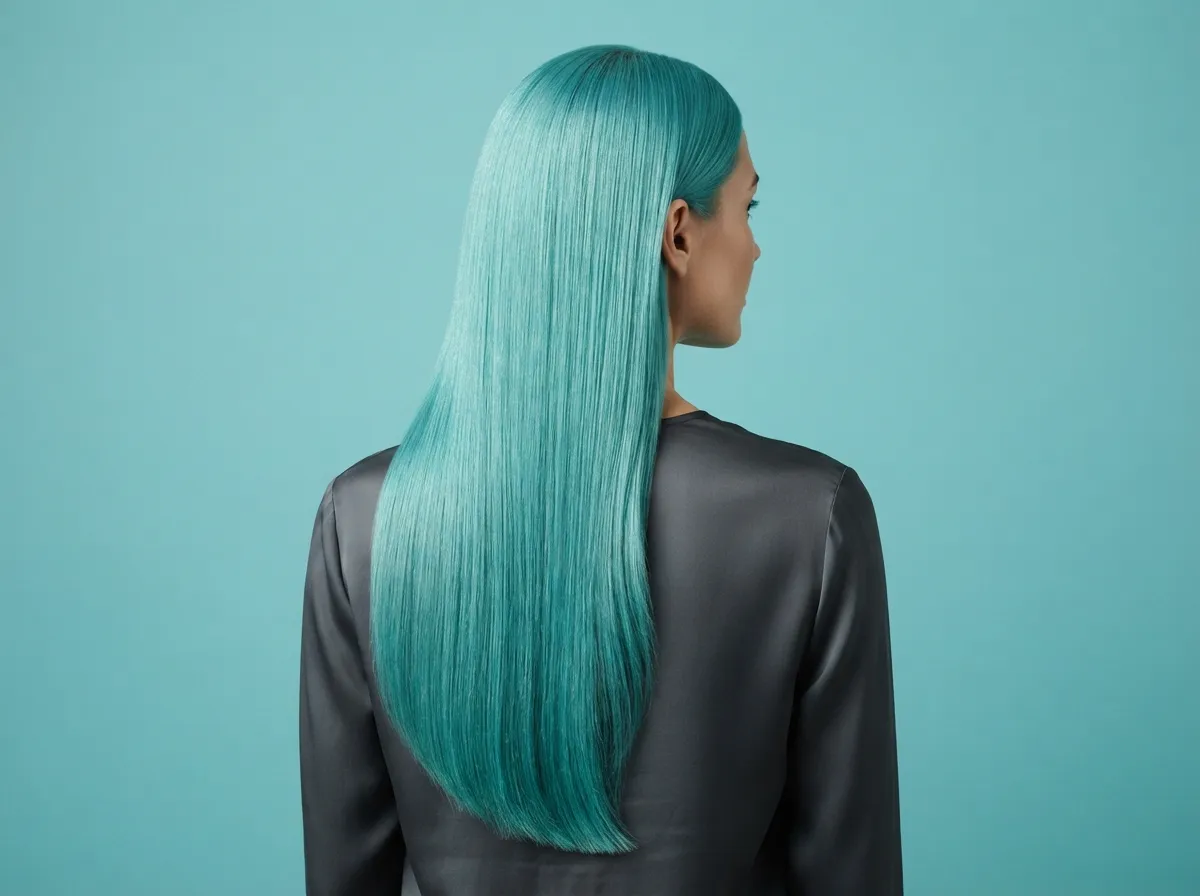
1. Solid Aqua Hair
A single aqua shade creates a clean, confident result with no competing colors. It looks especially striking on long, straight hair because the uninterrupted surface shows the blue-green tone clearly. Soft waves can add movement without taking attention away from the color.
An even lightened base usually produces the clearest result. Uneven yellow or orange areas may cause the finished shade to appear greener in some sections and bluer in others. Ask your colorist whether your hair can be lightened safely before committing to an all-over application.
Choose a medium aqua if you want vivid color without going extremely bright. A slightly deeper formula often fades more gracefully and gives you extra time between color appointments. Cool aqua shades usually suit pink or neutral undertones, while greener turquoise variations can complement warmer complexions.
Wash with cool water and a gentle color-safe shampoo. Space out wash days when possible, and use dry shampoo carefully at the roots. Heat tools can speed up fading, so apply heat protection and keep temperatures moderate. A tinted conditioner can restore some color once the shade begins looking pale.
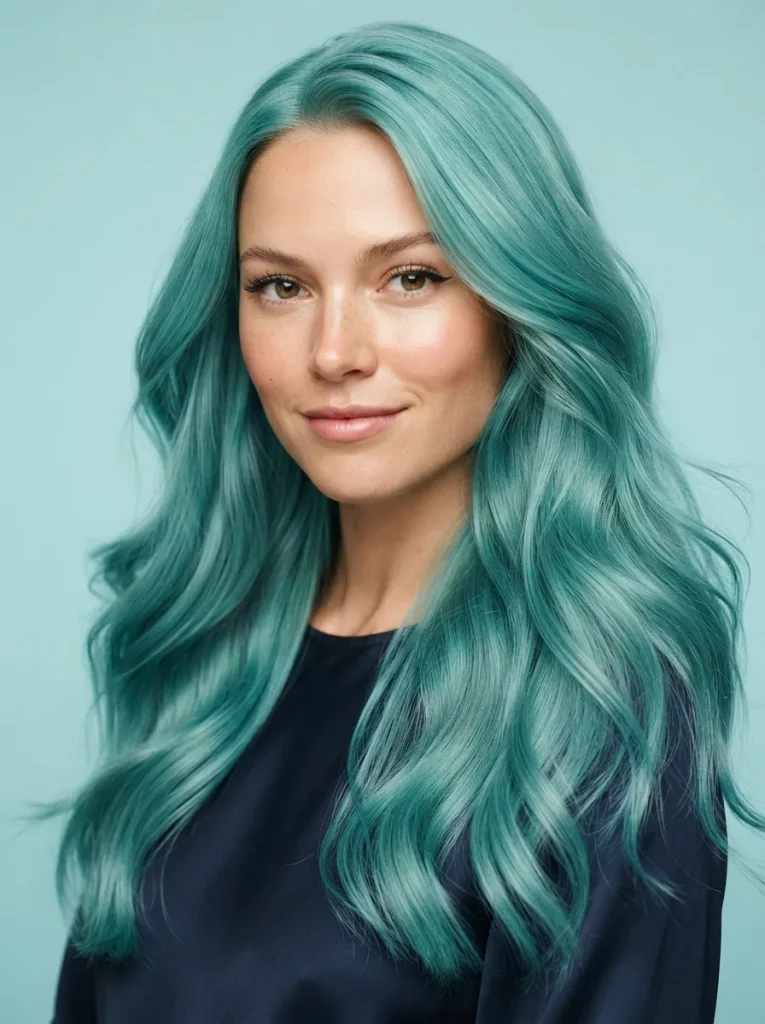
2. Pastel Aqua Waves
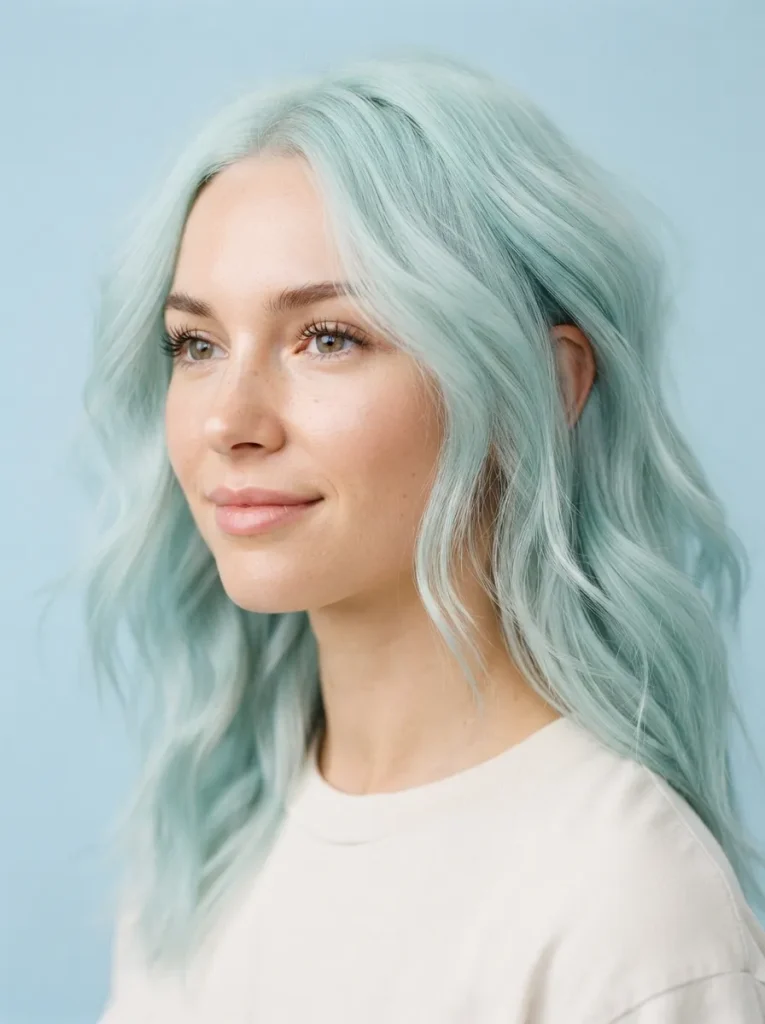
Pastel aqua creates a soft, dreamy appearance that feels lighter than saturated turquoise. Loose waves give the delicate color dimension by creating areas of light and shadow. The result works beautifully on medium and long cuts with a little movement around the face.
This pale shade usually requires hair to reach a very light blonde first. Any strong yellow remaining underneath may change the result into a mintier color. A professional strand test can show how much lightening your hair can handle and how the chosen formula will develop.
Request a sheer aqua toner rather than a heavily saturated dye. Bringing reference photos can help your colorist understand whether you prefer icy blue aqua or a softer green-leaning tint. Pastel color fades quickly, so plan for regular toning or use a diluted color-depositing mask at home.
Style the hair with overnight braids or a heatless curling ribbon to reduce hot-tool use. If you use a curling iron, work with a low setting and larger sections. Pastel aqua also looks attractive with natural root growth, particularly when the roots are softly diffused instead of sharply separated.
3. Aqua Hair With Shadow Roots
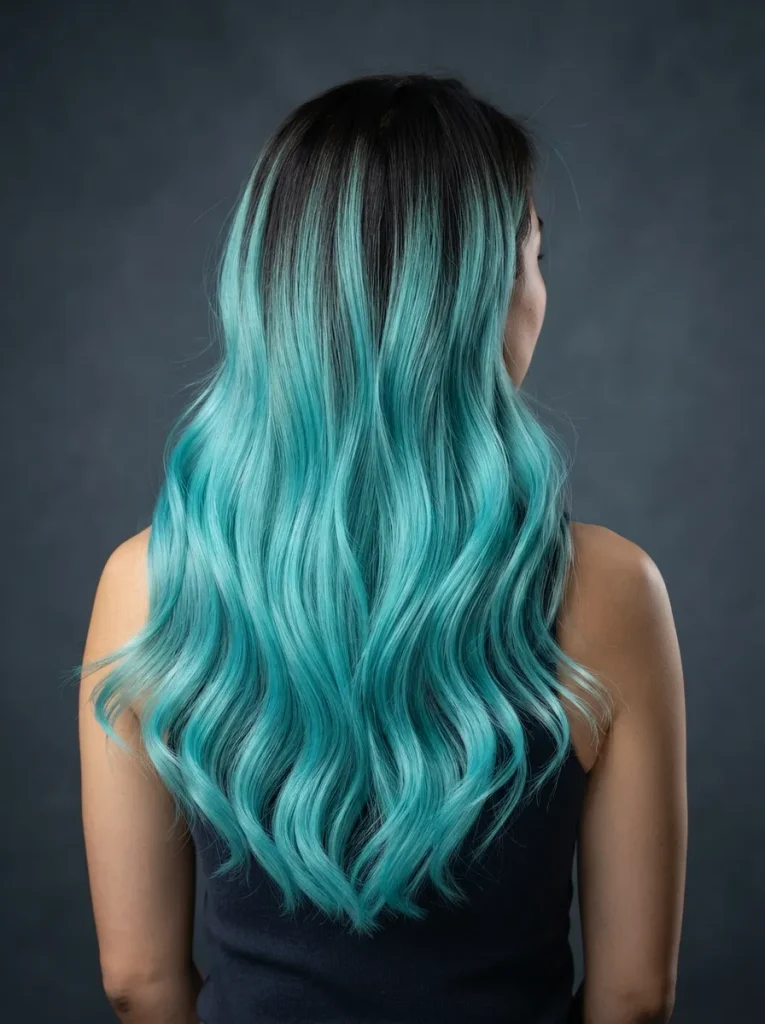
Shadow roots make vivid aqua easier to wear by keeping depth near the scalp. The darker upper section creates contrast, while the blue-green lengths remain bright and noticeable. This approach also softens the line that appears as natural hair grows.
Ask for a root shade close to your natural color. Your colorist can gently diffuse it into the aqua so there is no harsh horizontal band. A root area measuring around one to three inches usually provides enough contrast without hiding too much color.
This design is helpful for brunettes who do not want frequent root lightening. The aqua sections will still require care, but new growth becomes less obvious. Dark brown, soft black, and deep ash-blonde roots can all work, depending on the intensity of the lengths.
Use lightweight styling products so the roots do not look oily beside the bright color. When refreshing the aqua at home, apply the tinted conditioner only to the colored sections. Keeping it away from the root area preserves the intentional depth. Loose curls, half-up styles, and smooth ponytails show the gradual color change particularly well.
4. Textured Aqua Pixie Cut
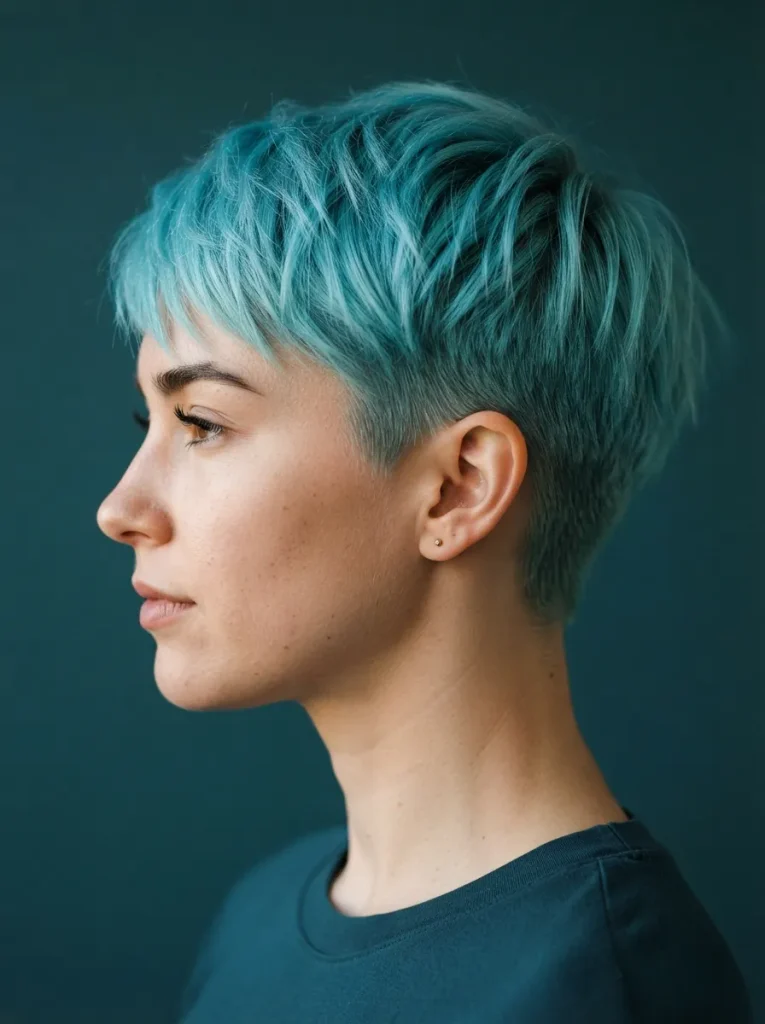
An aqua pixie brings color and shape together in a compact, expressive style. Short layers allow the shade to catch the light from several directions. A slightly longer top also gives you room to wear the hair tousled, swept sideways, or softly spiked.
Because the hair is short, the lightening process may be quicker than it is for long lengths. However, color can reach the scalp easily, so professional application is a sensible choice. Ask for a tone that works with your skin and your preferred styling finish.
A deeper aqua at the sides with a brighter top can add visual structure. You can also keep the natural roots visible for a softer grow-out. Matte styling paste adds definition without the stiff appearance caused by heavy gel.
Short aqua hair may require frequent trims to preserve the outline. Color appointments can often be paired with those trims. On ordinary wash days, use a small amount of shampoo and avoid very hot water. Pat the hair dry rather than rubbing it aggressively, since friction can roughen the surface and make vivid color look dull sooner.
5. Sleek Aqua Bob
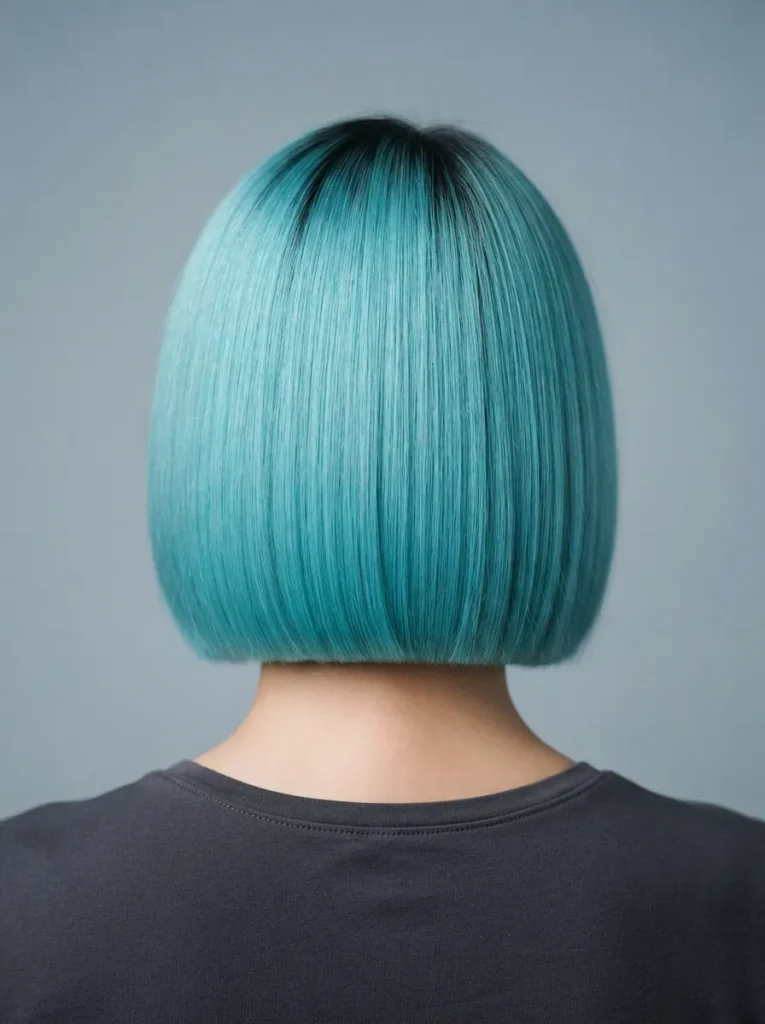
A blunt bob gives aqua hair a strong graphic shape. The precise baseline makes the color appear dense and polished, especially when the hair is styled straight. Chin-length and jaw-length versions place the saturated shade close to the face, where it becomes the central feature.
For a clean result, ask your stylist to keep the ends full rather than heavily thinning them. Fine hair can appear thicker with a one-length cut. Thick hair may benefit from discreet internal shaping that removes bulk without disturbing the blunt outer line.
An intense aqua works well for a dramatic finish, while a muted blue-green feels calmer. If your complexion becomes visually washed out beside pale tones, choose a slightly deeper shade or keep darker roots around the parting. A side part adds softness, while a center part emphasizes symmetry.
Use a flat iron only when required, and keep each pass quick. A heat protectant with no heavy oils will help maintain movement. You can also wrap damp hair around the head and pin it gently for a straighter result without intense heat. Book small maintenance trims so the bob remains crisp as it grows.
6. Aqua Highlights on Black Hair
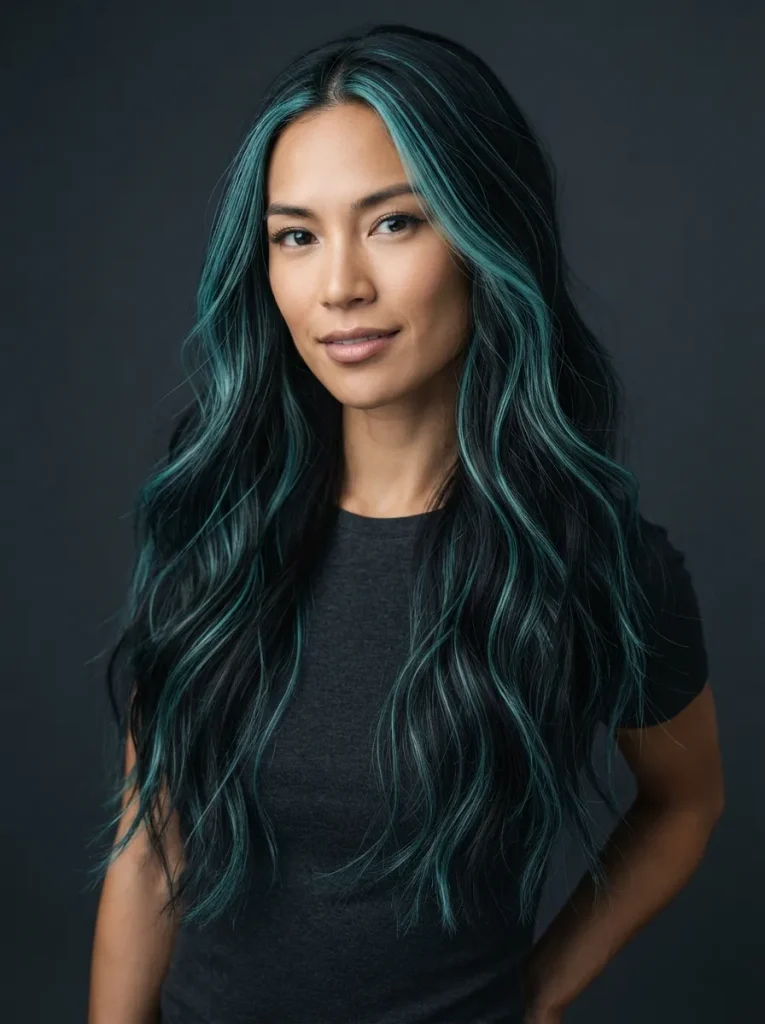
Fine aqua highlights create vivid movement against black hair without changing the entire head. The contrast is strongest when the colored pieces are placed through the top layer and around the face. When the hair moves, narrow turquoise ribbons appear between the dark sections.
Most black hair must be lightened where the highlights will sit. Ask for carefully selected strands rather than dense foils if you want the dark base to remain dominant. Wider panels will look bolder, while very fine pieces create a more scattered shimmer.
Color placement matters on curly or layered cuts. Your colorist can follow the natural fall of the hair so the aqua remains visible after styling. A few pieces near the front can frame the face, though they may require extra toning because they are washed and touched more often.
Use separate sections when applying a tinted mask at home. This helps prevent excess pigment from staining lighter skin around the hairline. Limit shampooing to the scalp, allowing the lather to rinse gently through the ends. This keeps the dark base clean while reducing unnecessary color loss from the highlighted strands.
7. Brunette-to-Aqua Ombré
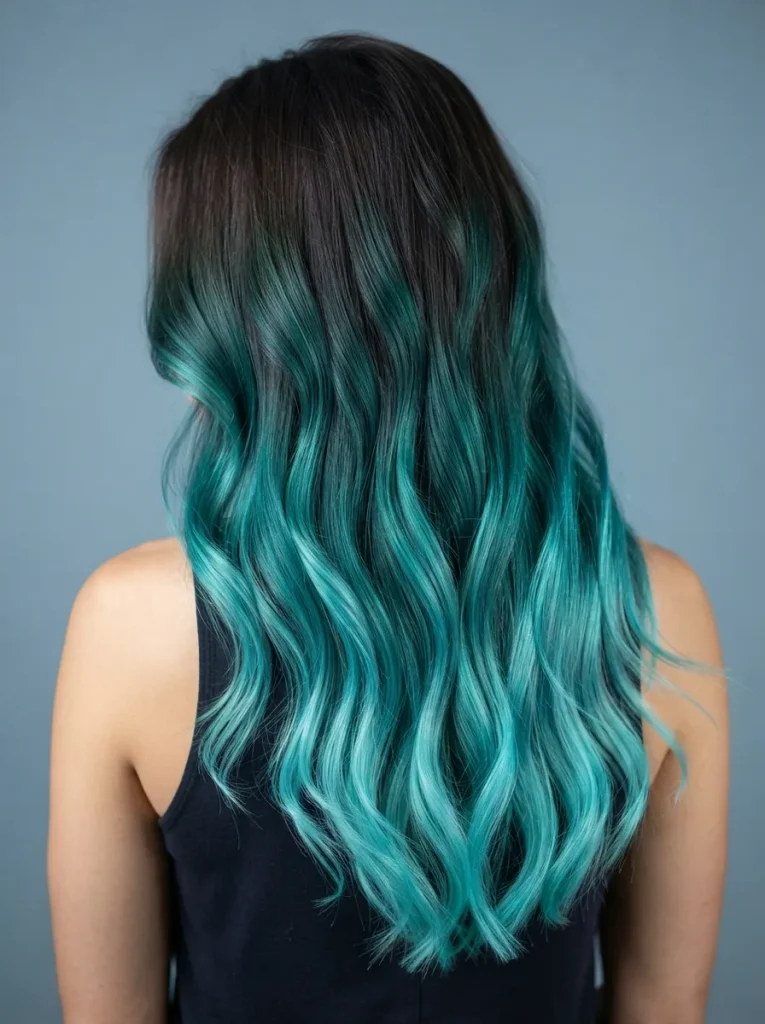
A brunette-to-aqua ombré preserves natural depth while placing the strongest color toward the ends. The gradual change is more forgiving than an all-over dye because root growth does not interrupt the design. It also lets you try aqua without coloring every section.
The placement can begin near the cheekbones for a prominent result or below the shoulders for a quieter effect. Ask your colorist to create a soft teal area between the brown and aqua. This middle tone prevents the colors from meeting in a sharp line.
Previously colored brunette hair can be difficult to lighten evenly. A strand test may reveal whether the ends can reach the required level without becoming fragile. If they cannot, a darker turquoise ombré may provide a richer and safer alternative.
Style the hair with broad waves to display all three color zones. Straight styling makes the fade easier to inspect, while curls create scattered flashes of blue-green. Apply conditioner mainly through the lightened lower section. Trim dry ends regularly, since saturated fantasy color looks better when the hair surface appears smooth and healthy.
8. Wavy Aqua Lob
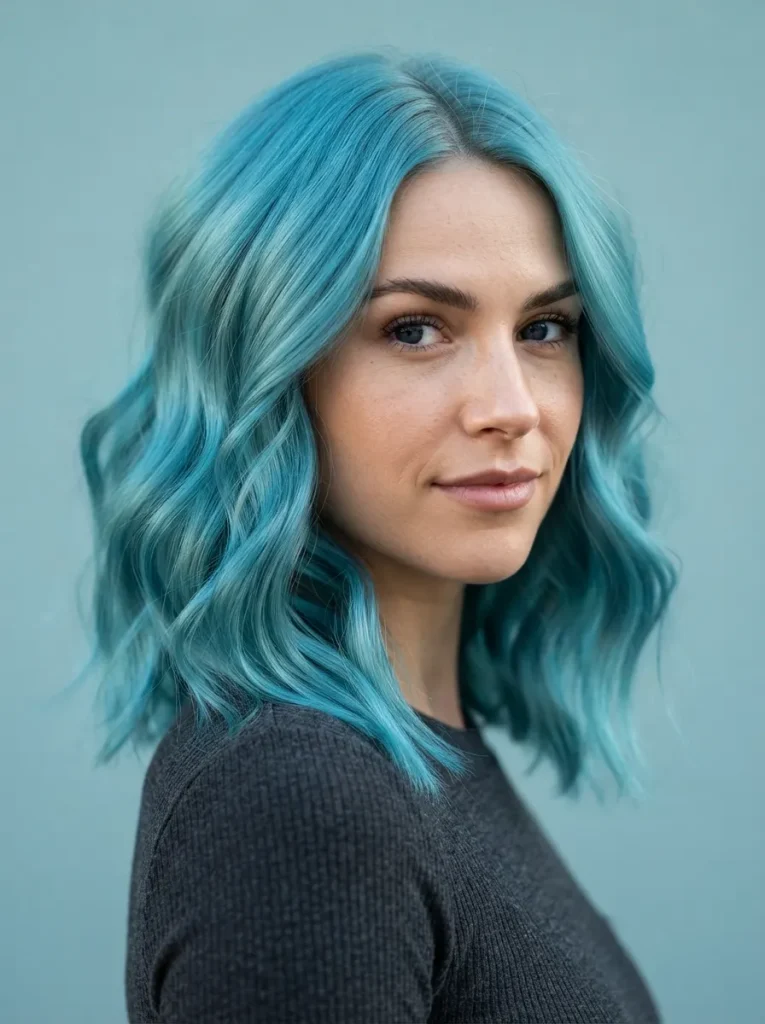
A collarbone-length lob offers enough space to display aqua color while remaining easy to style. Gentle bends break up the solid shade and create natural tonal variation. This length also works with many face shapes because the front pieces can be adjusted without changing the full outline.
Ask for subtle layers if your hair is thick or naturally wavy. Fine hair may look fuller with fewer layers and a slightly blunt perimeter. A medium aqua tone keeps the waves visible, while extremely dark shades can hide some of their definition.
Create relaxed bends by twisting damp sections and allowing them to dry. You can also use a wide-barrel iron, leaving the ends straighter for a modern shape. Alternate the direction of each curl so the hair does not form one large wave.
Aqua dye may transfer onto pale pillowcases shortly after coloring. Use a dark towel and pillowcase during the first several washes. Rinse until the water runs mostly clear after applying any home color mask. A lightweight leave-in conditioner can control frizz, but avoid piling on silicone-heavy products that may make the lob appear flat.
9. Silver Hair With Icy Aqua Streaks
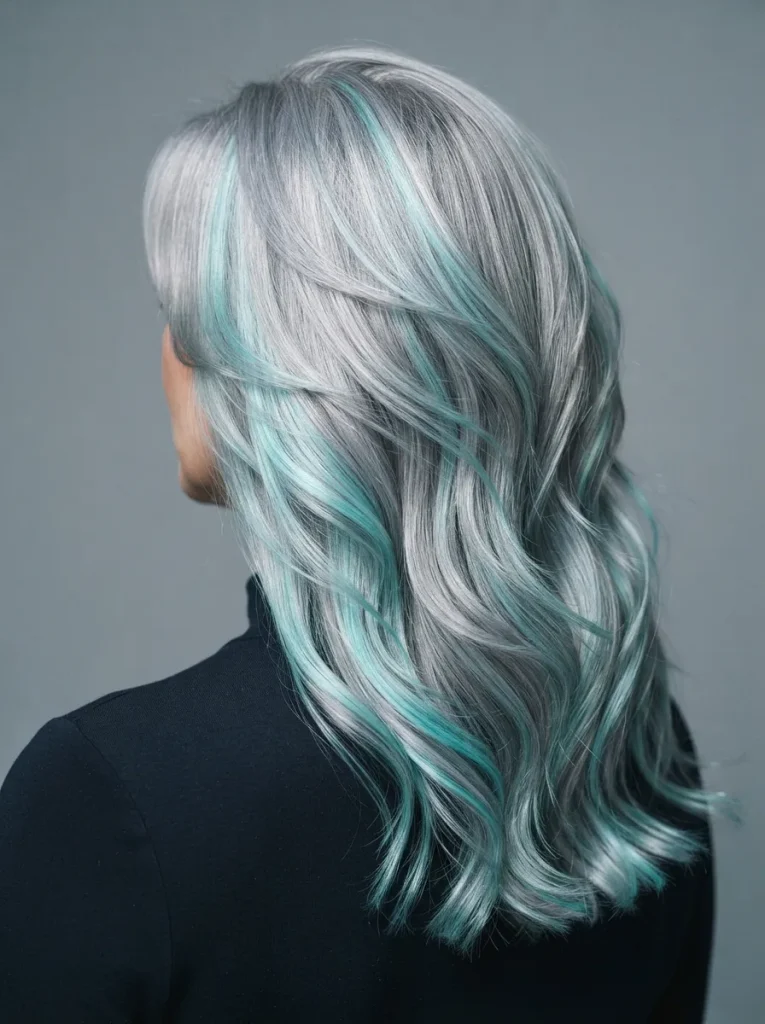
Silver and icy aqua sit close together on the cool-color spectrum, creating a refined result with gentle contrast. The silver base keeps the overall appearance light, while scattered aqua pieces provide definition. This option works well on layered hair because each colored section can follow a different level.
Both tones usually require a pale base. Yellow warmth can interfere with the silver and change icy aqua into a greener shade. Purple shampoo may help manage warmth, but using it too frequently can leave uneven violet areas on porous hair.
Ask for a mix of narrow streaks and a few medium panels. Too many identical sections may create a striped pattern. Concentrating several pieces around the lower layers produces movement without covering all the silver.
Cool-toned colors can appear flat under weak indoor lighting. Gloss treatments add reflection and help the separate shades remain visible. Use a clear or lightly tinted conditioner between appointments rather than applying strong aqua pigment over the entire head. That approach protects the silver sections from accidental staining. Smooth waves and loose twists show the placement well without requiring complicated daily styling.
10. Aqua Curls With Natural Texture
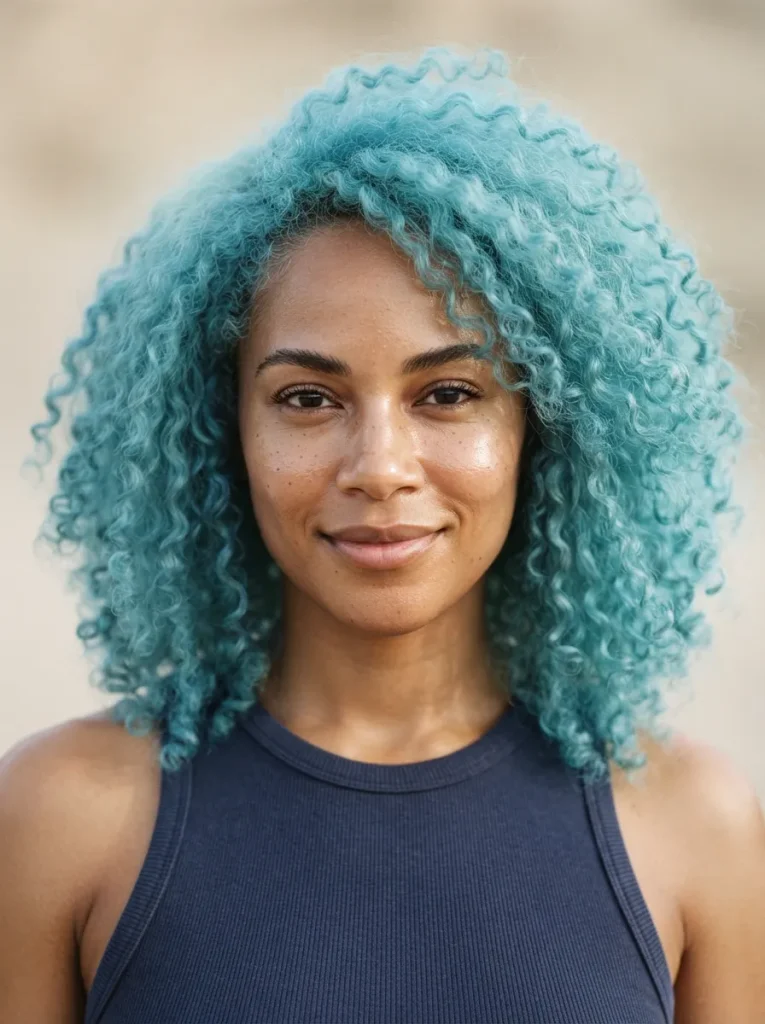
Aqua color can make curls appear even more defined because light catches every curve. The result may show several natural variations, from deeper teal in the shadows to brighter turquoise along the raised sections. This gives the hair dimension without adding separate highlight colors.
Curly hair is often more porous through the ends, so it may absorb pigment unevenly. Ask your colorist to evaluate the curl pattern and condition before lightening. Slower, staged lightening may protect the shape better than trying to reach a pale base in one session.
Choose a conditioning color formula and keep a rich mask in your weekly routine. Apply styling cream to wet hair, then scrunch gently and let the curls air-dry or use a diffuser on low heat. Avoid rough towel drying, which can disturb the curl groups.
Color can make dryness more visible, particularly around the crown. Focus moisture on the mid-lengths and ends while using a lighter product near the roots. Refresh flattened curls with water and a small amount of leave-in conditioner. This reduces full wash days and helps the aqua remain saturated longer.
11. Aqua Hair With a Navy Underlayer
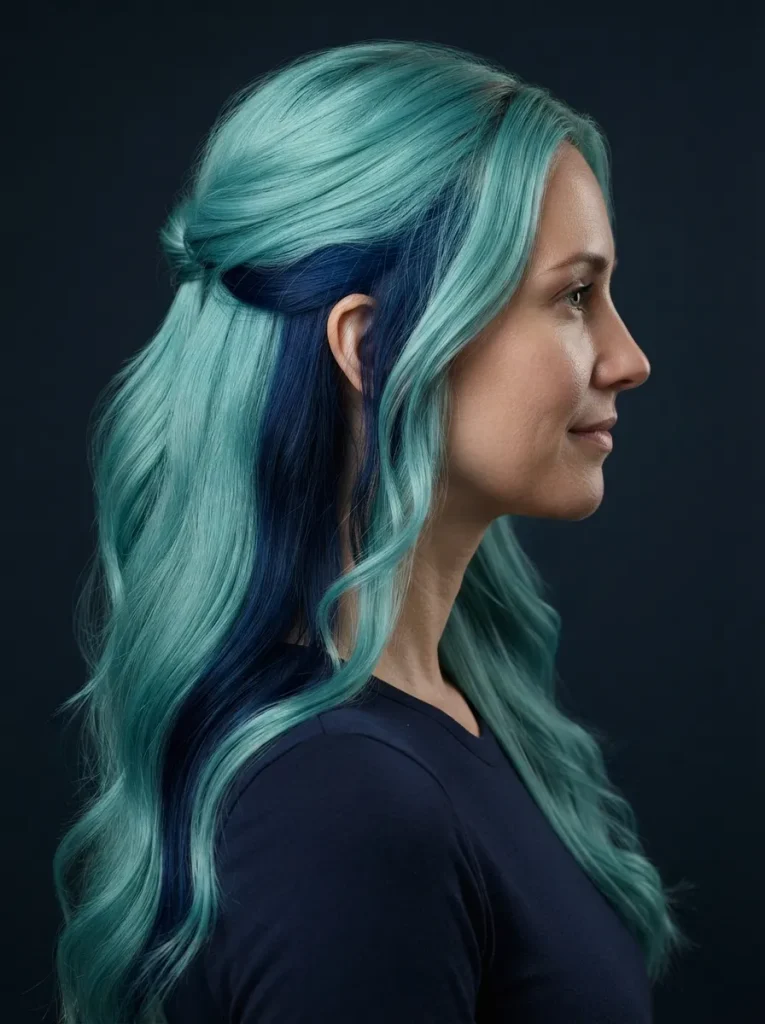
A navy underlayer gives bright aqua hair hidden depth. The darker section appears when the hair moves, when it is tucked behind the ear, or when it is styled half-up. Worn down, the aqua remains dominant and the navy creates a subtle shadow beneath it.
This design can be adjusted to match your comfort level. A thin lower panel creates a quiet peekaboo effect, while coloring the entire underneath section makes the contrast much stronger. Navy often works on a darker base than pale aqua, which may reduce lightening in the lower area.
Ask your colorist to separate the sections cleanly during application. Since blue dyes can migrate when wet, wash with cool water and avoid leaving the hair bundled together while it is damp. Use separate clips during home color touch-ups so each shade stays within its intended area.
Braids, high ponytails, and half-up knots reveal the navy dramatically. Straight hair shows a clean color division, while waves scatter the darker pieces. Use dedicated dark towels because both shades may release pigment during early washes. Regular conditioning will keep the contrasting sections smooth and reflective.
12. Aqua Hair With Lighter Face-Framing Pieces
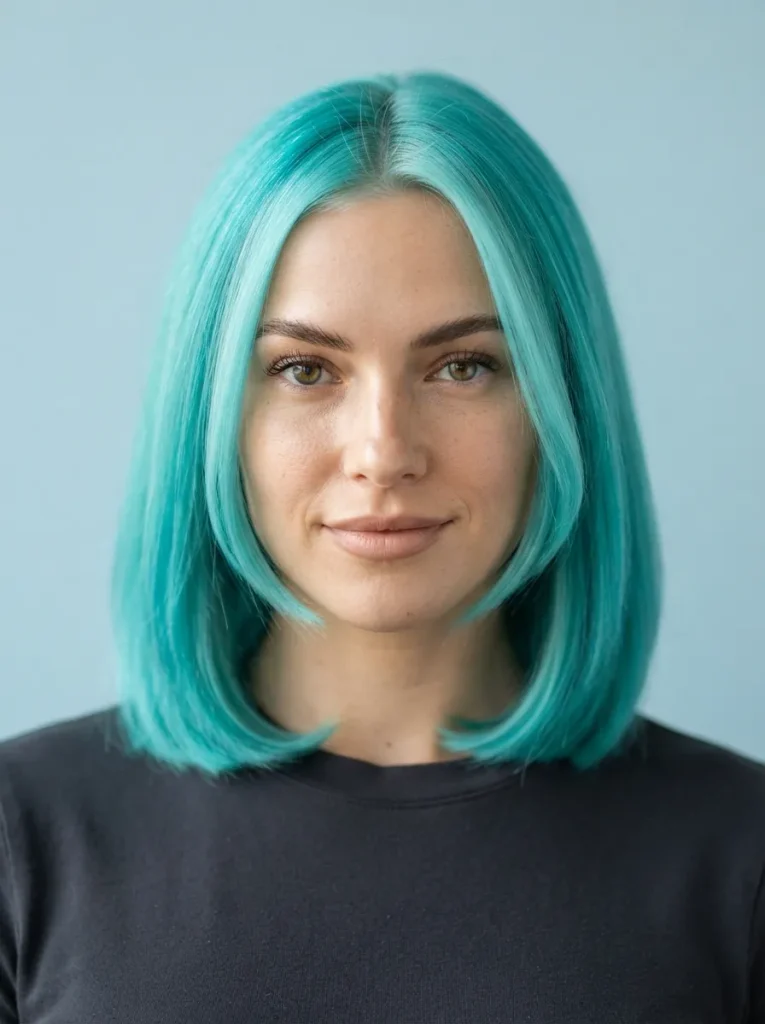
Lighter panels around the face add brightness to a medium or deep aqua base. They create a defined focal point without requiring multiple colors throughout the whole head. The placement can be narrow and subtle or broad enough to make a strong statement.
Ask for the front sections to be lifted slightly lighter than the remaining hair. A pale turquoise toner can create contrast while staying within the same color family. If your hairline is delicate, your colorist may recommend narrower pieces or a less aggressive level of lightening.
The panels look particularly clear with a center part, but they can also follow a side part. When switching your usual part, tell the stylist before coloring so the placement still looks balanced. Curved ends, soft waves, and pulled-back styles all keep the lighter sections visible.
These front pieces may fade sooner because they are exposed to cleansing, skincare, and frequent touching. Apply your aqua mask to them during only part of the processing time to avoid making them too dark. Protect the hairline with a stain barrier during home applications, and clean accidental dye marks promptly with a gentle remover.
13. Multi-Tone Aqua Braid
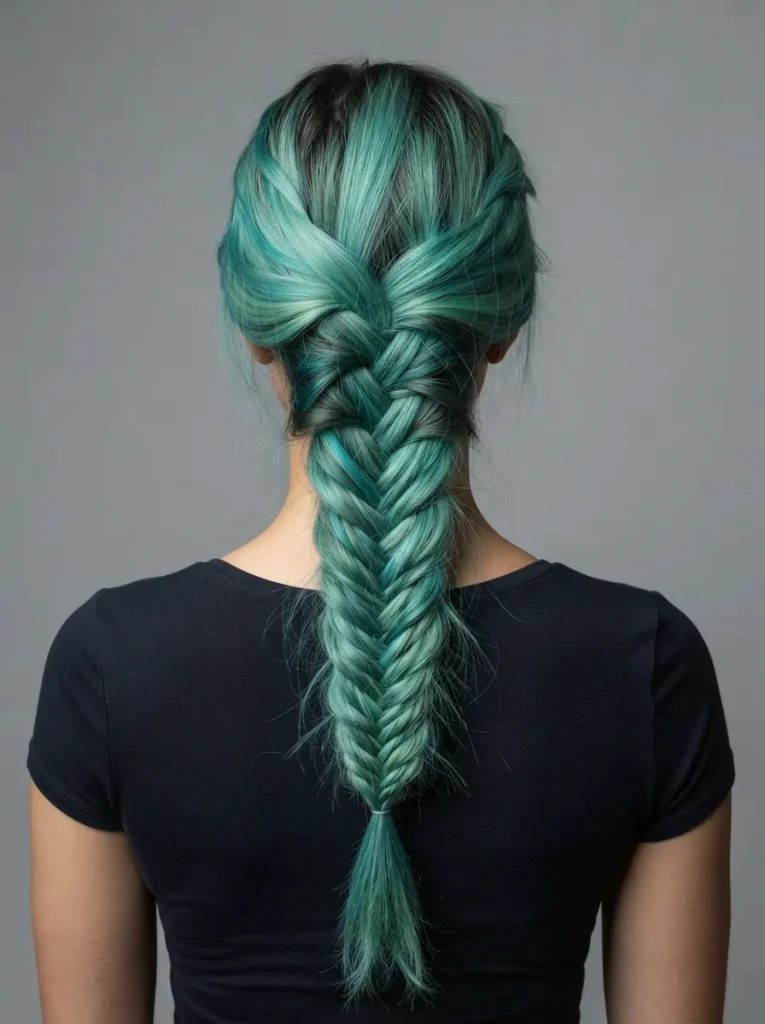
Braided hair displays aqua beautifully because each woven section catches light differently. Adding two or three related tones makes the braid appear dimensional without introducing an unrelated color. Medium aqua, pale turquoise, and deep teal can work together across the length.
The colors do not have to follow perfect stripes. Irregular panels often look more natural once braided, since small sections cross over one another. Ask your colorist to place lighter pieces near the surface and darker pieces underneath for visible contrast.
A fishtail braid shows many small color intersections, while a standard three-strand braid creates larger blocks. Dutch and French braids are useful for displaying color close to the scalp. Gently loosen the outer edges after securing the braid to make it appear wider.
Do not braid wet, recently lightened hair too tightly. Damp strands stretch easily and may break under repeated tension. Use a soft fabric tie and keep the base comfortable. You can recreate the style without heat, making it a practical option when you want to limit color fading. At night, unravel the braid slowly and use your fingers rather than pulling a brush through any knots.
14. Aqua and Lavender Gradient
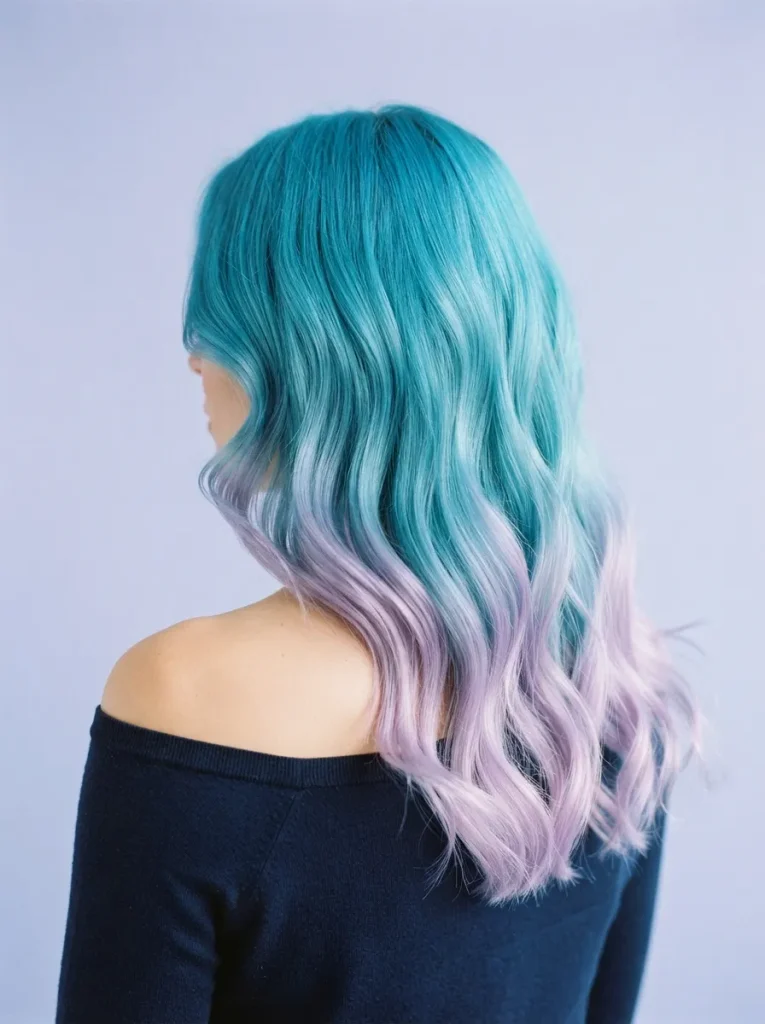
Aqua and lavender create a soft two-color effect that feels colorful without becoming visually chaotic. The coolest result starts with aqua near the roots and moves through blue-violet before reaching lavender ends. That connecting tone keeps the meeting point smooth.
Both colors show best on a light, even base. If the hair has yellow areas, the lavender may turn muddy and the aqua may become overly green. Discuss gradual lightening sessions if your current color is dark or heavily processed.
Ask for the lavender to begin below the chin if you want aqua to remain the primary shade. Starting the second color higher creates a more balanced split. Waves display the gradual color movement, while straight styling makes the application pattern appear cleaner.
Use separate tinted conditioners or dilute each dye with a plain white mask. Apply them carefully to their matching zones, then rinse with cool water. Avoid dragging lavender pigment upward when refreshing the ends. Pinning the aqua section away during application can help. Since both shades fade, take photos in natural indirect light after each appointment so you can track which tone loses intensity faster.
15. Aqua Undercut
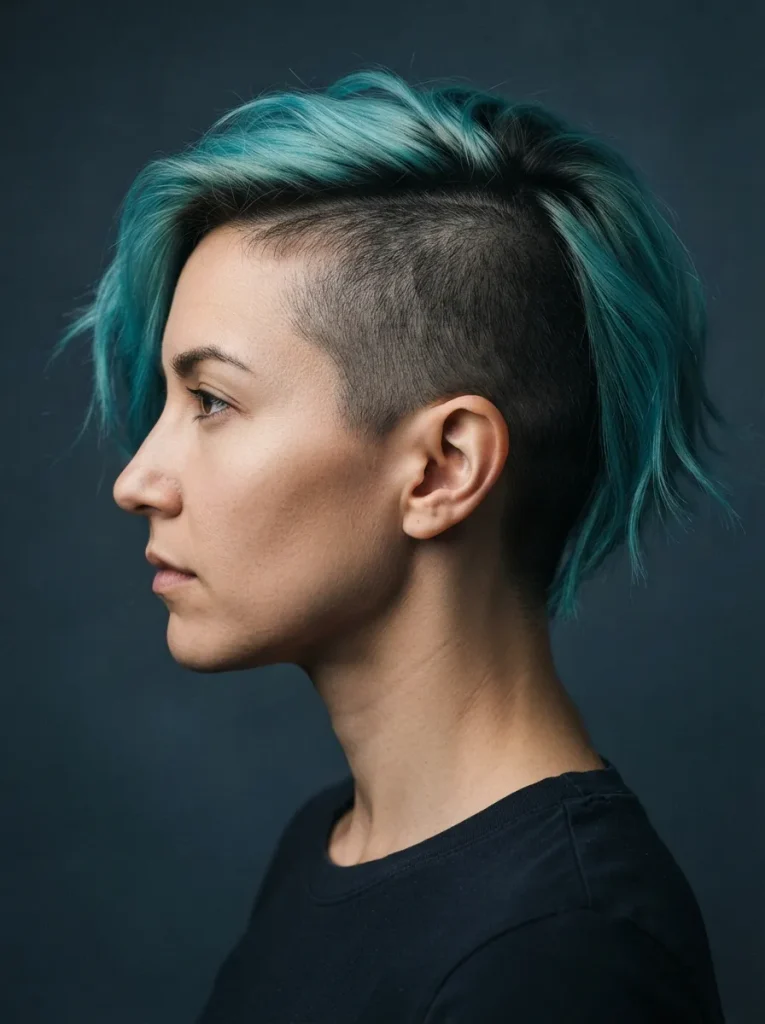
An undercut pairs vivid aqua with a strong, structured silhouette. The closely clipped side or nape creates contrast against the longer colored section. You can keep the shaved area natural, tint it darker, or carry the aqua across the entire cut.
A side undercut becomes visible whenever the longer hair is swept away from the face. A hidden nape undercut stays discreet while the hair is down and appears in high ponytails or buns. Discuss placement carefully before clipping, since growing out a large shaved section takes time.
The longer area can be styled sleek, wavy, or textured with paste. If the clipped section is also colored, it may fade quickly because short hair is washed close to the scalp. Root growth will also appear sooner against a bright shade.
Schedule regular clipper appointments if you want the design to remain sharp. Three to five weeks is a common trimming range, though growth rates vary. Use only a small amount of styling product, as heavy wax can hide the color’s reflective finish. When sleeping, a smooth pillowcase can reduce friction across the longer lightened section.
16. Deep Teal Hair With Aqua Tips
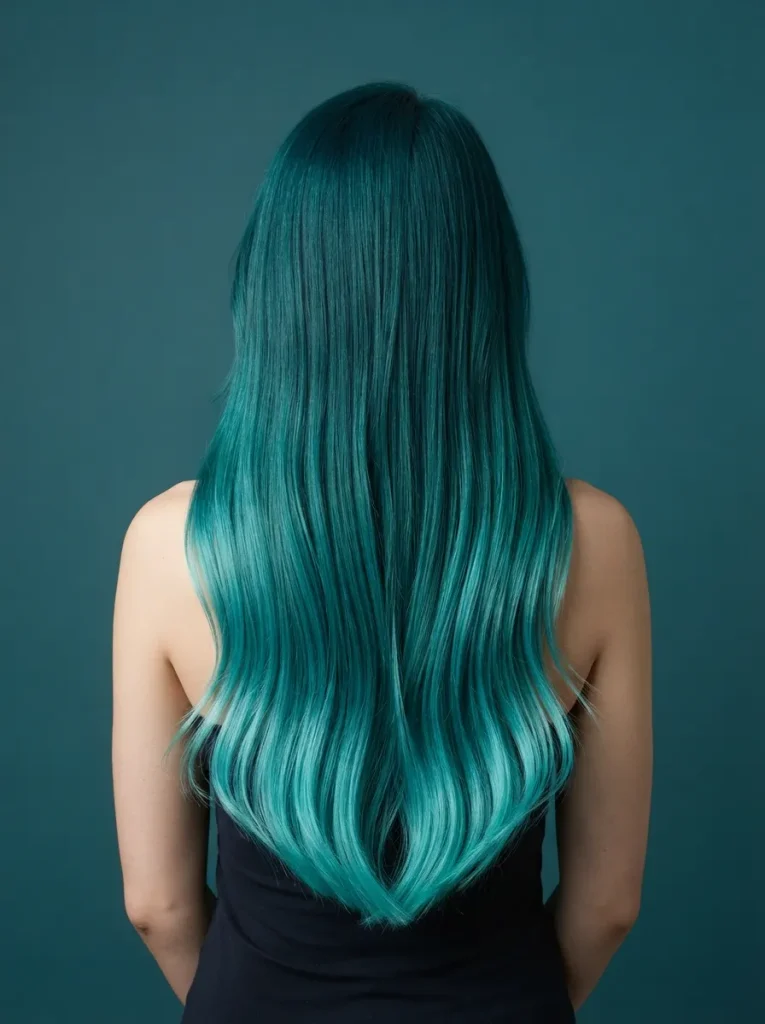
Deep teal with aqua tips offers rich color near the top and greater brightness at the ends. It works particularly well for anyone who prefers darker hair around the face but still wants a clear pop of turquoise. The close relationship between the shades makes the finished effect cohesive.
Place the aqua on the final few inches for a dipped appearance. For a softer result, begin adding narrow aqua pieces higher through the mid-lengths. Long layers help distribute the bright ends at several levels instead of forming one heavy line.
This option may suit hair that cannot safely reach a very pale base from root to end. The darker teal can work over a slightly deeper starting level, while only the tips require extra lifting. Still, the oldest ends may be fragile, so a strand test remains useful.
Refresh the tips with a small brush and diluted pigment rather than coating all the teal hair. Check the ends every few minutes because porous sections can absorb color rapidly. Use gentle detangling habits and trim split areas before they travel upward. Straight styles show the color placement clearly, while loose curls make the aqua appear scattered throughout the lower section.
17. Layered Aqua Shag
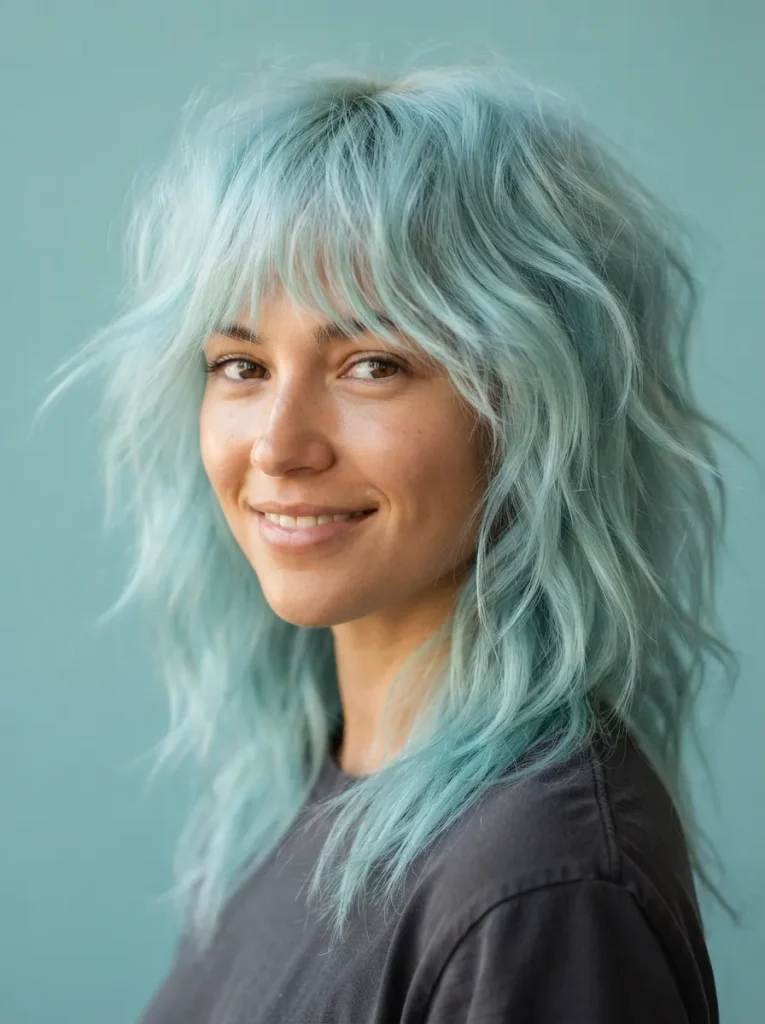
A shag haircut gives aqua hair plenty of movement through feathered layers and a light fringe. The uneven lengths create natural highlights and shadows, making a single color appear more dimensional. This style works with straight, wavy, and loosely curly textures.
Ask for layers that suit your natural density. Too many short pieces can make fine hair appear sparse, while thick hair often benefits from extra internal movement. A fringe can be cut wispy for softness or fuller for a stronger frame around the eyes.
Medium aqua works well because it remains visible across both shadowed and raised sections. Darker roots can reinforce the shag’s shape and make regrowth easier to manage. Use a small amount of lightweight mousse, then scrunch or twist sections while drying.
The cut should not require perfectly polished styling. Air-drying often supports its relaxed shape, which also reduces heat exposure. Trim the fringe separately when required rather than cutting it at home without guidance. Colored bangs sit close to the skin and may fade faster from cleansing, so use a tinted conditioner carefully and keep it away from the forehead.
18. High Aqua Ponytail
A high ponytail concentrates aqua hair into one long, noticeable shape. It shows the color clearly from the smooth crown through the moving ends. Waves or curls in the ponytail create extra tonal variation, while a straight tail delivers a sharper finish.
Start with dry, detangled hair and gather it without pulling excessively at the hairline. A soft elastic can hold the style while reducing breakage. If your hair is layered, a small amount of light styling cream can control short pieces around the crown.
Color placement changes how the ponytail appears. Shadow roots create a darker base, hidden panels become visible underneath, and ombré ends form a bright lower section. The style is also useful on days when you want to delay washing.
Avoid wearing a tight ponytail in the same position every day. Repeated pressure can weaken lightened strands near the elastic. Rotate between high, middle, and low placements, and loosen the style if the scalp feels sore. At night, remove the tie gently instead of pulling it through the length. Finger-comb the ends and apply a small amount of leave-in conditioner if they feel dry.
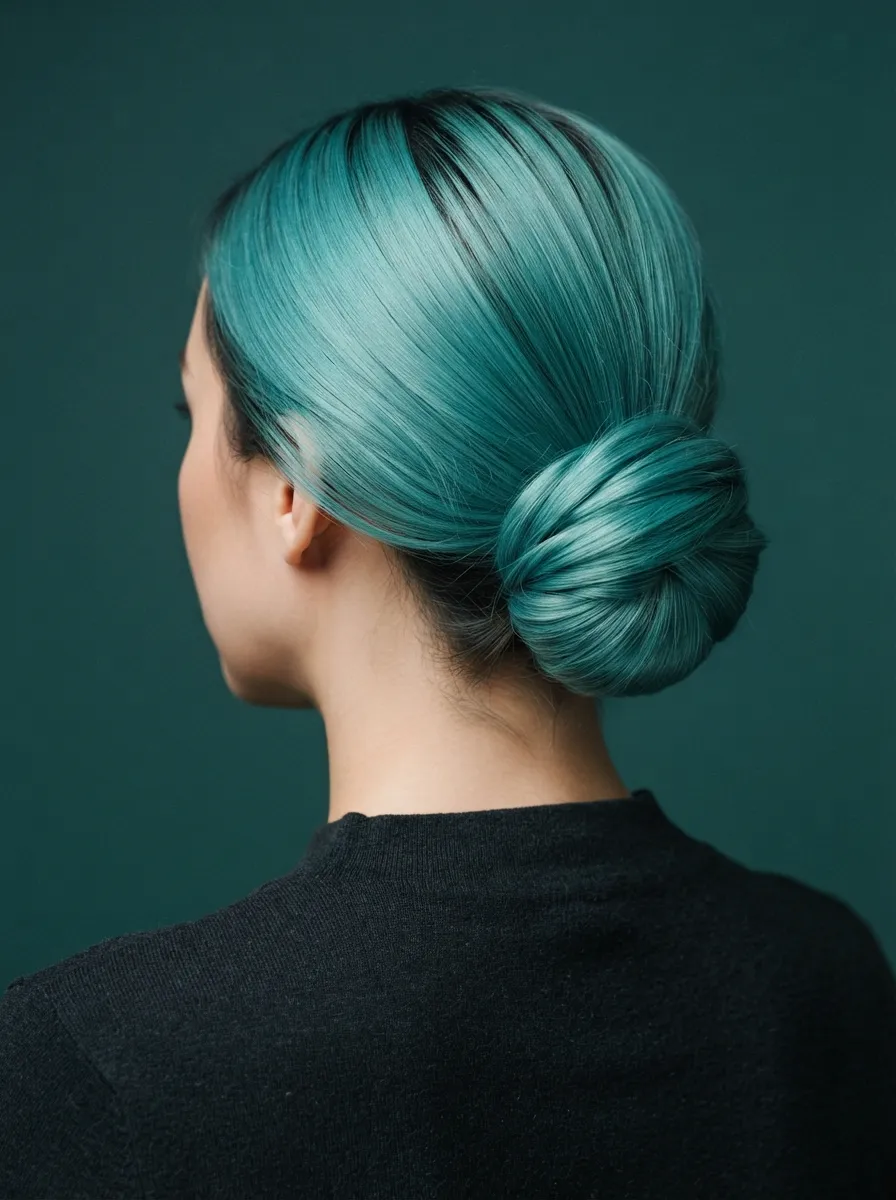
19. Polished Aqua Low Bun
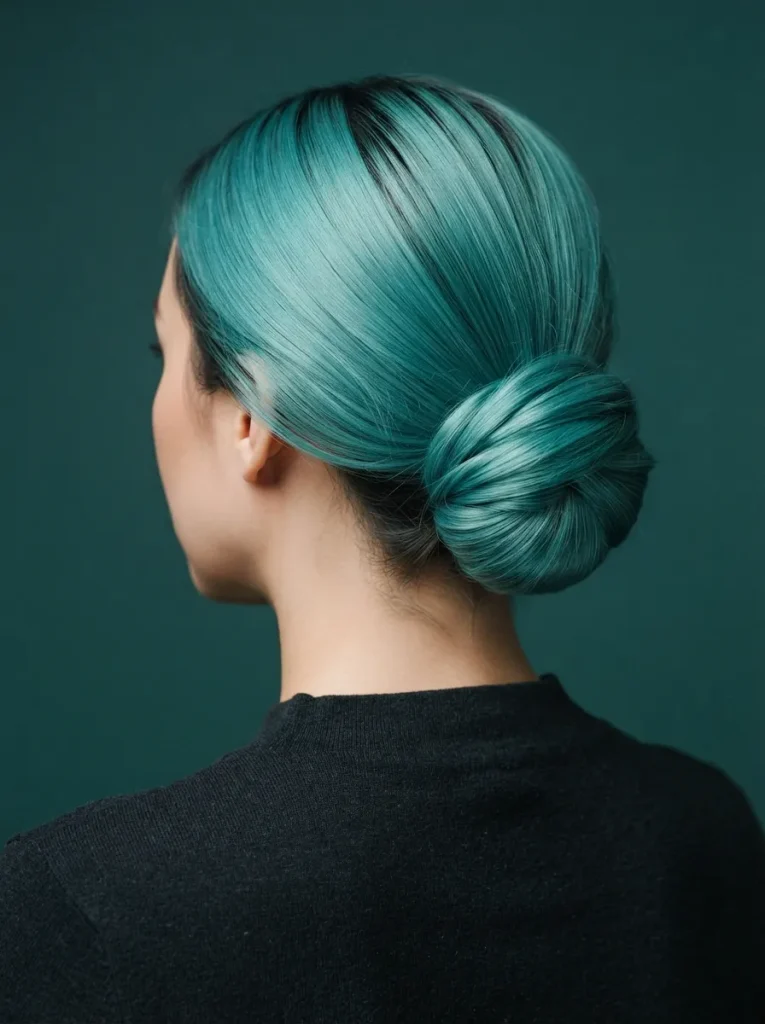
A low bun shows that aqua hair can also feel neat and understated. The smooth shape keeps the vivid color controlled, making it suitable for dinners, creative workplaces, or formal events where loose bright hair may feel too casual.
Create a center or side part, then gather the hair at the nape. Twist the length into a compact bun and secure it with pins placed beneath the outer section. Choose pins close to the darker areas of the hair so they remain less visible.
A little root depth adds definition and prevents the style from appearing flat. If your hair has highlights or multiple aqua tones, the wrapped sections will display them in curved lines around the bun. Leave two narrow front pieces loose if you prefer a softer face frame.
Use a light styling cream rather than heavy hairspray. Strong alcohol-based sprays may leave colored hair feeling dry after repeated use. Smooth the surface with clean fingertips or a soft brush, applying minimal pressure. Do not pull the bun excessively tight, particularly if the hair has been lightened more than once. Remove every pin before unraveling the style at night.
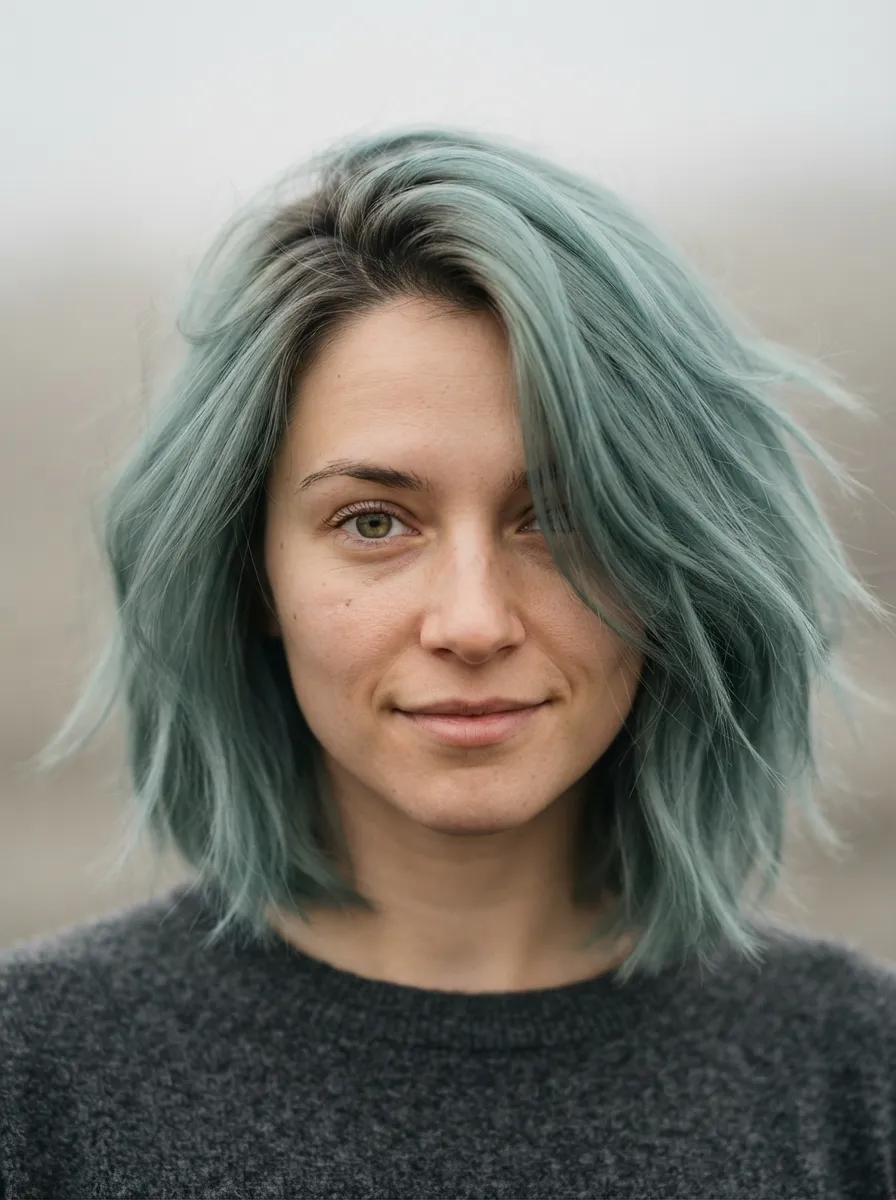
20. Muted Smoky Aqua Hair
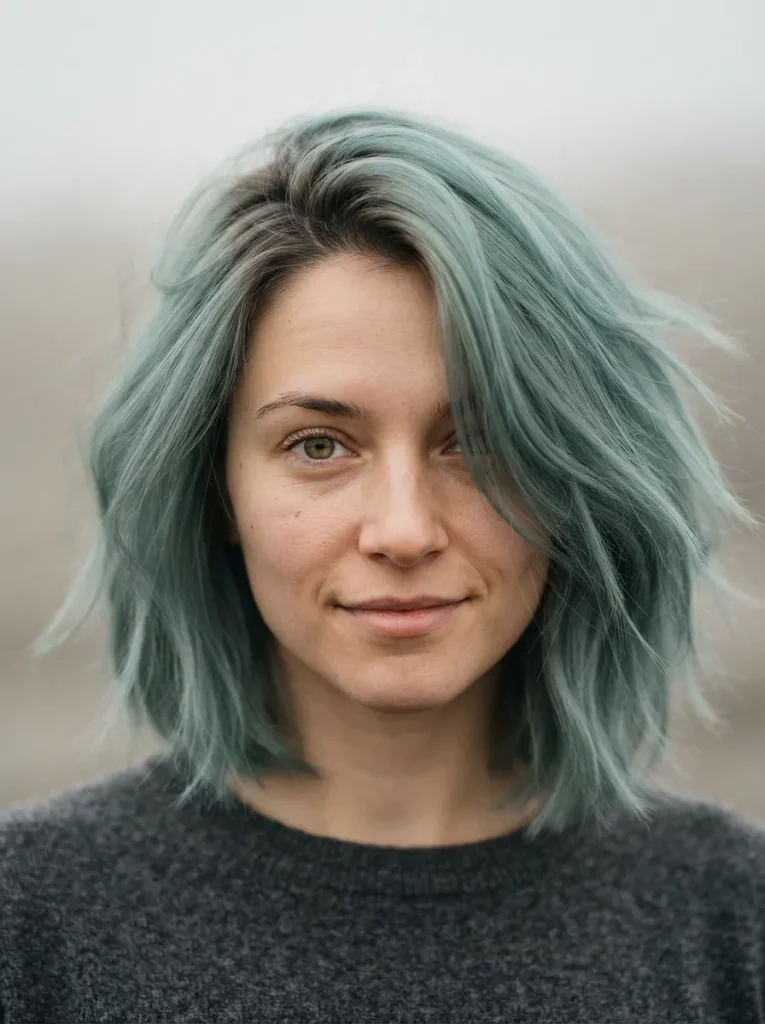
Smoky aqua combines blue-green color with a soft gray cast. It feels less intense than bright turquoise while still looking clearly different from natural shades. This makes it appealing for someone who likes creative color but prefers a subdued finish.
The gray component can reduce brightness, so start with a reference that shows the exact depth you want. Some smoky formulas lean blue, while others resemble dusty teal. Your existing undertones will influence the final result, particularly if the base retains warmth.
This shade looks attractive on bobs, lobs, and softly layered cuts. Natural dark roots can add contrast and reduce the frequency of scalp applications. A gloss service may keep the muted color reflective without making it appear overly vivid.
Smoky tones can become uneven when strong blue shampoo or random color masks are added. Use only a closely matched depositing conditioner and test it on a hidden strand before covering the full head. Wash less often, protect the hair from prolonged sun exposure, and keep hot tools at a moderate setting. If the color fades into pale green, ask for a corrective toner rather than layering dark dye over it at home.
Conclusion
Aqua hair can be adapted to suit dramatic, soft, short, long, curly, or straight styles. Solid turquoise creates the strongest statement, while highlights, colored tips, hidden panels, and shadow roots provide lower-commitment options. Pastel, smoky, icy, and deep teal variations also let you control how bright the finished color appears.
Choose one or two ideas that match your current hair condition and daily styling habits. Then show the references to a professional colorist and ask what level of lightening is realistic for your starting color. A strand test can help you avoid unwanted tones or excessive damage.
Once your aqua color is complete, use cool water, gentle cleansing, regular conditioning, and moderate heat. Keep a matching tinted conditioner available for small color corrections between appointments. Start by saving your favorite shade and haircut combination, then plan the placement and upkeep before booking your service.