Short hair gives color plenty of room to stand out. From soft highlights that define a bob to rich shades that make a pixie cut feel more polished, the right color can bring attention to layers, texture, bangs, and movement. These Hair Color Ideas for Short Haircut styles cover both subtle changes and bolder options.
You’ll find warm caramel, chocolate, copper, and honey shades alongside cooler ash brown, platinum, smoky brunette, and dimensional black. There are also colorful choices for anyone who prefers burgundy, cherry red, or pastel tones.
The key is matching the color placement to your haircut. Highlights can emphasize layers, darker roots can create depth, and lighter pieces around the face can define shorter shapes. Whether you have a pixie, bob, lob, or cropped curly cut, these ideas offer practical inspiration for your next color appointment.
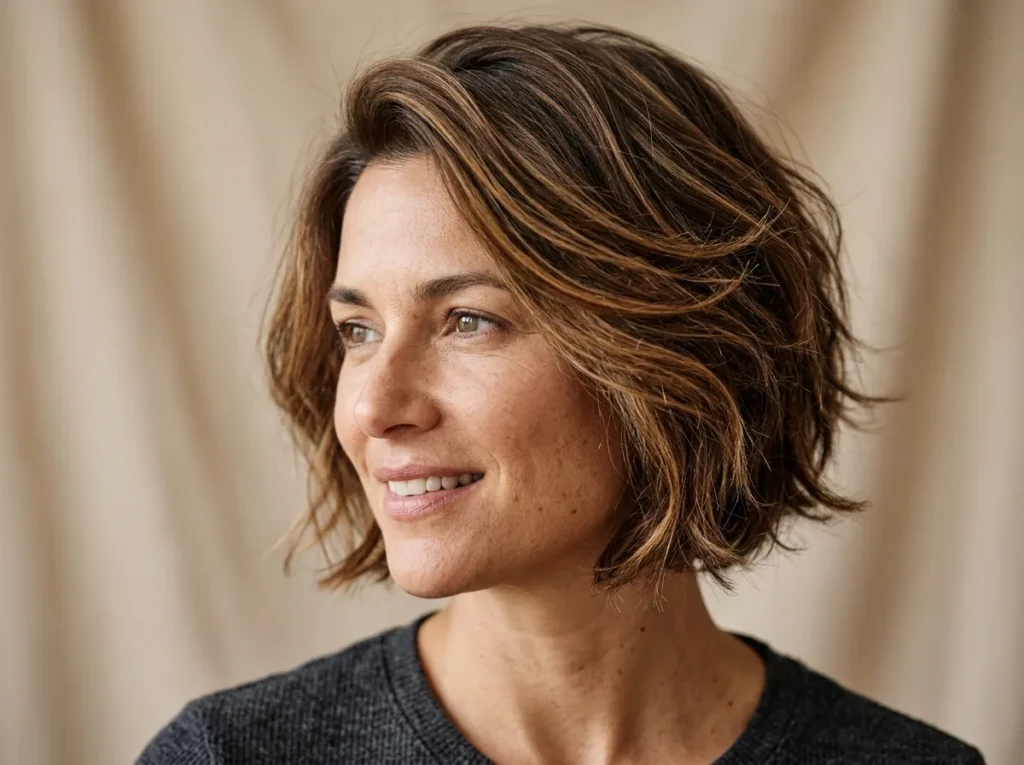
1. Chocolate Brown Layered Bob

Rich chocolate brown works beautifully on a layered bob because the subtle tonal variation makes each section easier to see. It offers warmth without taking the hair dramatically lighter.
Ask for deep cocoa brown with slightly lighter brown dimension through selected layers. Styling the ends with a gentle bend can show off the color variation, while color-safe shampoo can help maintain the rich appearance between appointments.
2. Caramel Highlights on a Short Bob
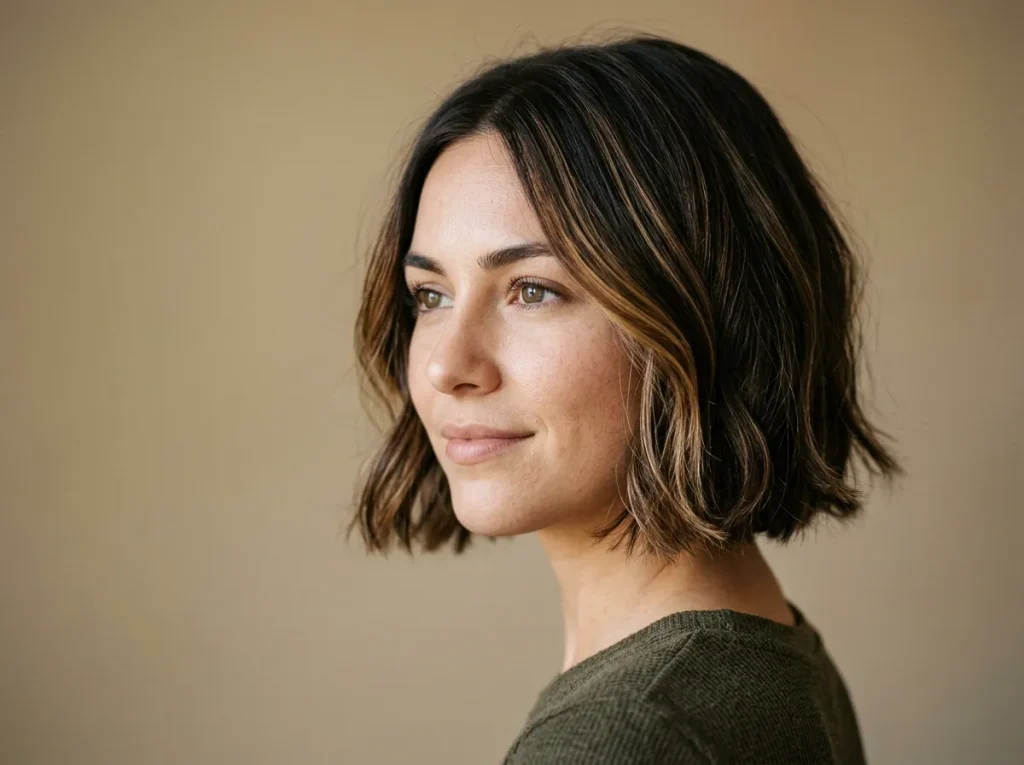
Caramel highlights bring warm contrast to a dark short bob without covering the natural brunette base. Thin ribbons can emphasize movement around the sides and make layered ends more noticeable.
Choose fine caramel sections rather than wide streaks for a softer appearance. Keeping some darker hair around the roots can also make regrowth less obvious and create more depth through a chin-length cut.
3. Platinum Pixie With Dark Roots
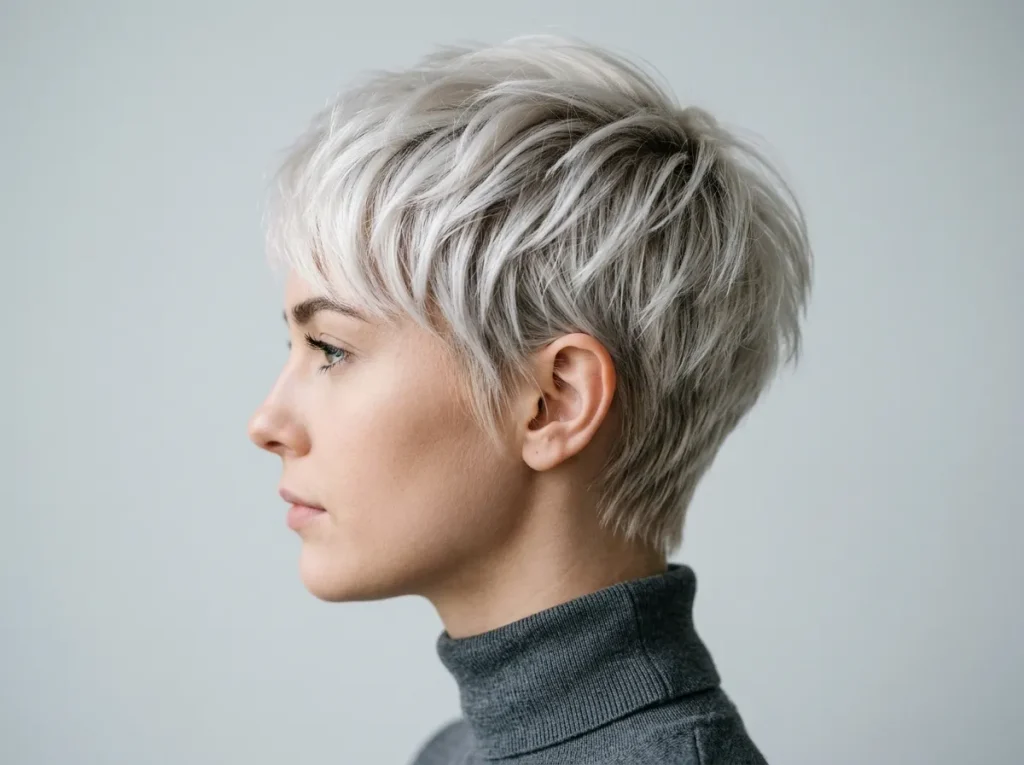
Platinum creates strong contrast on a short pixie, especially when a deeper root remains visible. The darker base adds definition beneath textured pieces and can make the light sections appear brighter.
Ask your colorist about shadow roots with icy platinum lengths if you want less obvious regrowth. Lightened short hair can become dry, so gentle washing, conditioning, and reduced heat styling can help maintain a smoother appearance.
4. Honey Brown Face-Framing Bob

Honey brown sections around the face can brighten a dark bob while leaving most of the natural base untouched. The placement works particularly well on chin-length styles because the lighter sections naturally frame the cheekbones and jaw.
Try narrow honey-brown pieces near the front instead of coloring the entire haircut. A softly curved or waved finish can make the lighter areas more visible without requiring complicated everyday styling.
5. Warm Copper Wavy Bob

Copper gives a short wavy bob a rich, warm character and makes bends in the hair more noticeable. A deeper copper shade can be easier to pair with naturally brunette hair than a very pale orange tone.
Ask for medium or deep copper with subtle auburn depth near the roots. Red-based shades can lose intensity over time, so cooler washing temperatures and suitable color-care products can help the tone remain richer.
6. Ash Brown Balayage Lob
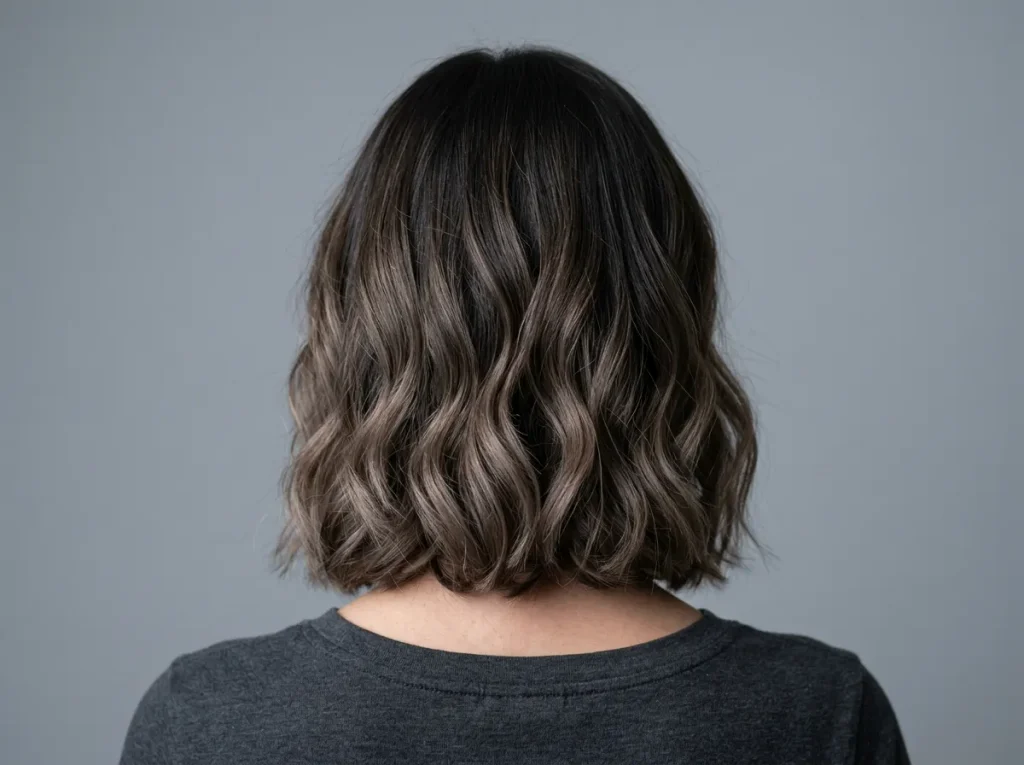
Cool ash brown creates understated dimension on a short lob without the golden appearance of caramel or honey highlights. Hand-painted placement can keep the root darker while adding lighter movement through the ends.
Request cool brown balayage with a soft root shadow for an easier-growing finish. Dark hair may reveal warm undertones after lightening, so occasional toning can help maintain the cooler appearance you originally chose.
7. Glossy Black Blunt Bob
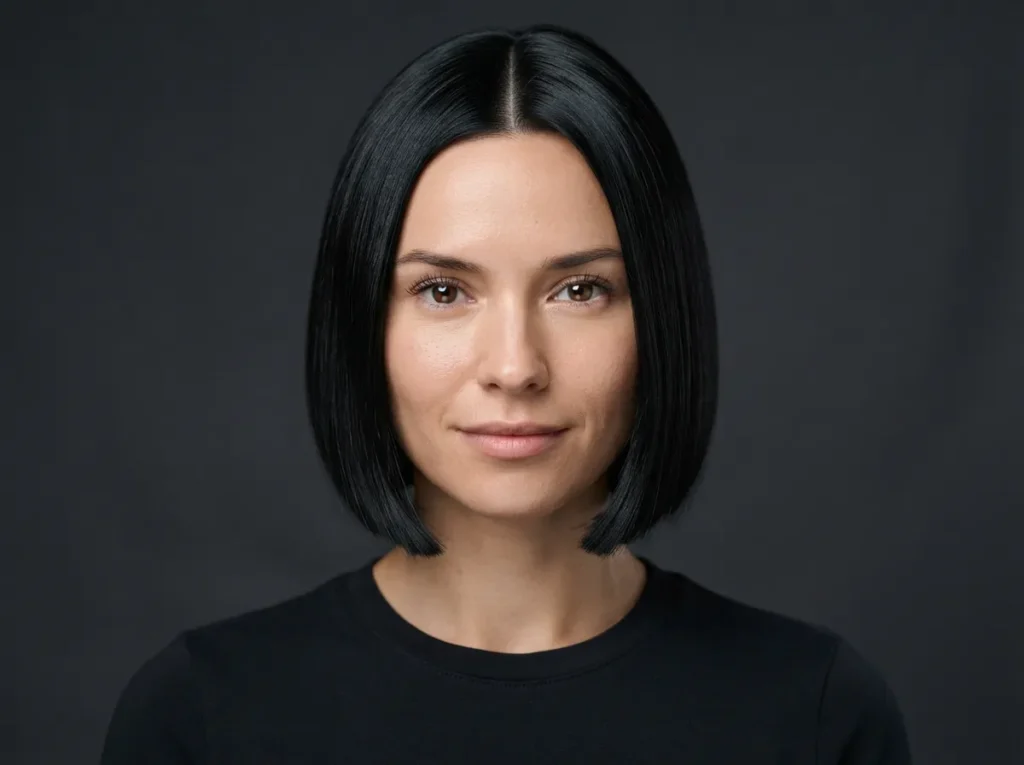
A deep black shade can make the clean lines of a blunt bob appear especially defined. Instead of relying on multiple colors, this look uses an even dark tone and healthy-looking shine to emphasize the haircut.
Keep the shape sharp around the jaw or slightly below it for a polished finish. If your natural hair is lighter, discuss root upkeep before choosing permanent black since the contrast can become visible as it grows.
8. Burgundy Short Layers
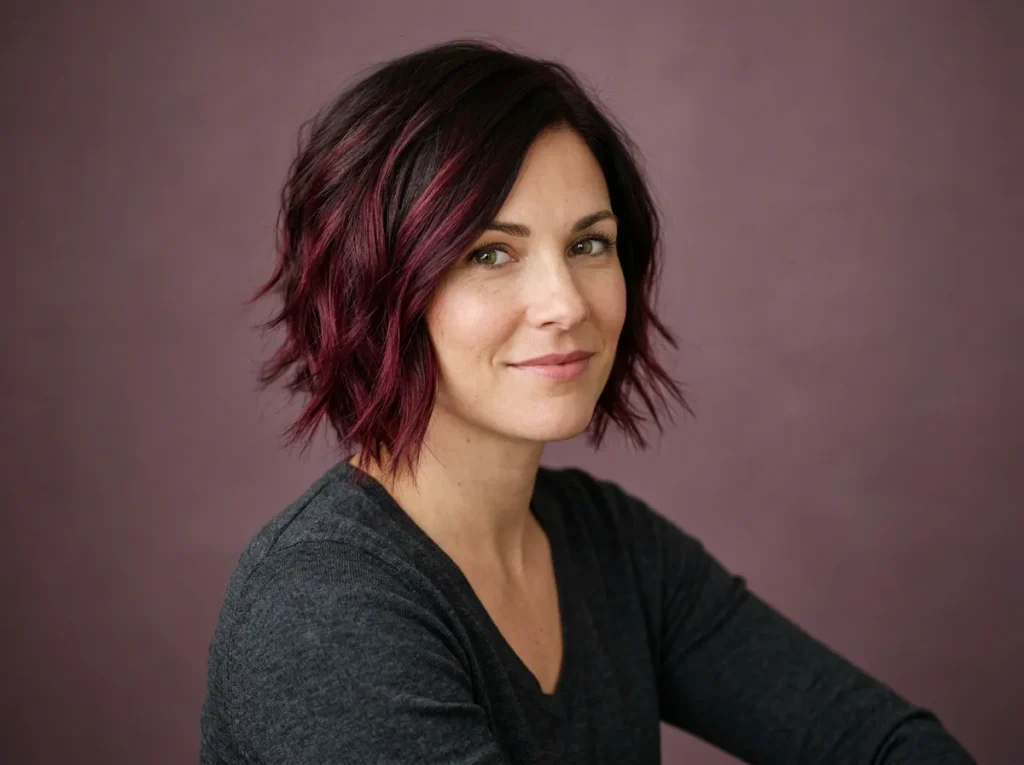
Burgundy gives short brunette hair a red-violet character while keeping enough depth for an understated result. Layered cuts work particularly well because different sections catch the light and reveal changing wine-colored tones.
For a less dramatic version, place burgundy through selected layers and ends while retaining a dark root. Washing less frequently and avoiding very hot water may help slow the fading commonly associated with red pigments.
9. Golden Blonde Highlighted Pixie
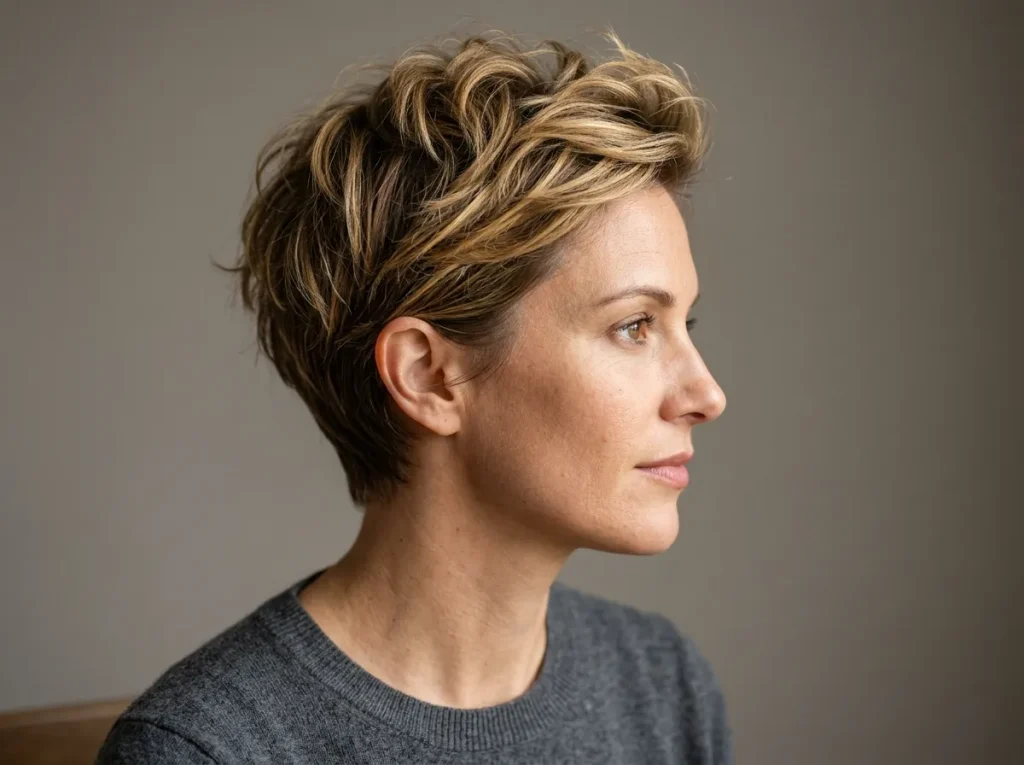
Golden blonde highlights can bring definition to a textured pixie without requiring every strand to become blonde. Lighter pieces across the top draw attention to feathered layers while a darker base keeps the cut dimensional.
Concentrate golden highlights through the crown and longer top sections. Short hair exposes regrowth quickly near the scalp, so leaving some natural root depth can make maintenance more manageable between appointments.
10. Mushroom Brown Short Bob
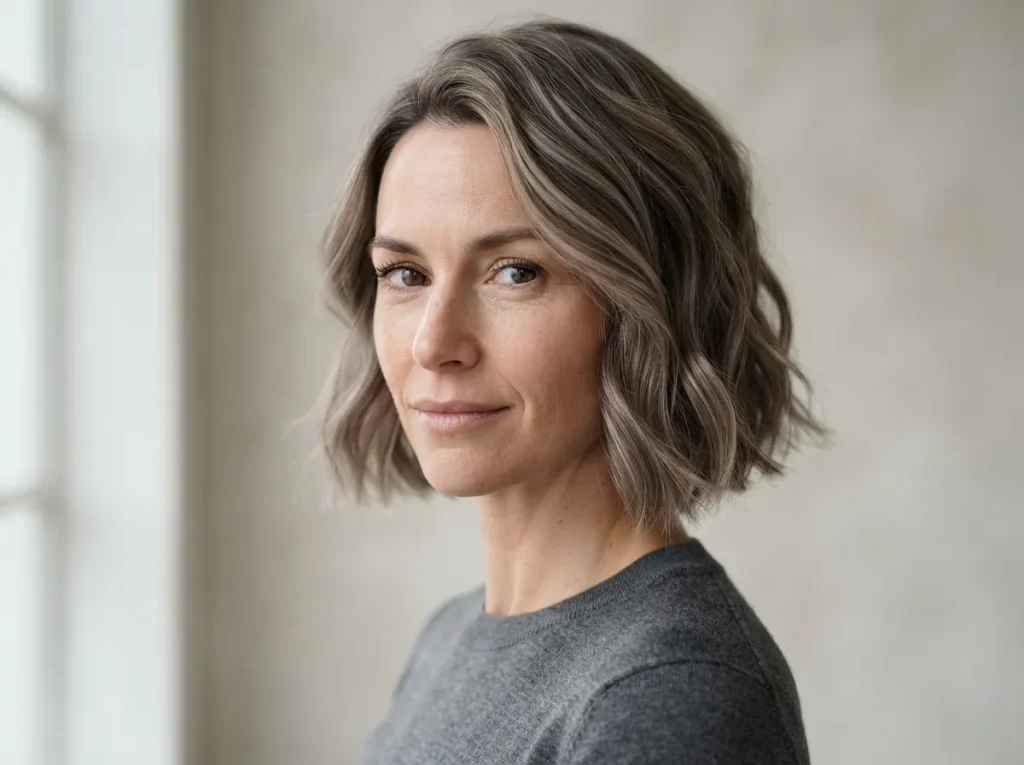
Mushroom brown combines muted brunette, taupe, and cool gray-brown tones. On a short bob, these understated shades can create dimension without using bright blonde or strong warm highlights.
Ask for cool taupe-brown sections over a medium or dark brunette base. Since dark hair can develop warmer tones after lightening, you may want occasional toning appointments to keep the finished color closer to the muted shade you selected.
11. Dark Cherry Short Hair
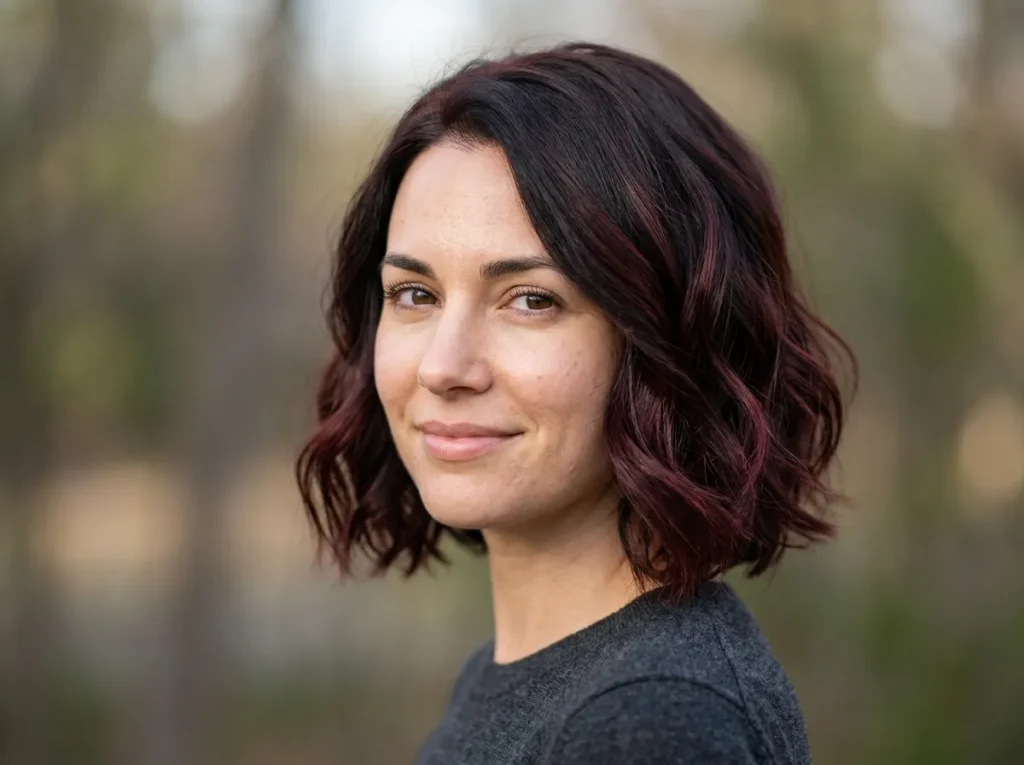
Dark cherry offers a colorful alternative for short brunette hair without moving into very bright red. The shade can appear deep indoors and show richer red-purple reflections under stronger lighting.
Try cherry tones through the ends or front sections before committing to full coverage. This placement can also emphasize the outline of a bob or cropped cut while allowing plenty of your original dark shade to remain visible.
12. Mocha Balayage Short Hair
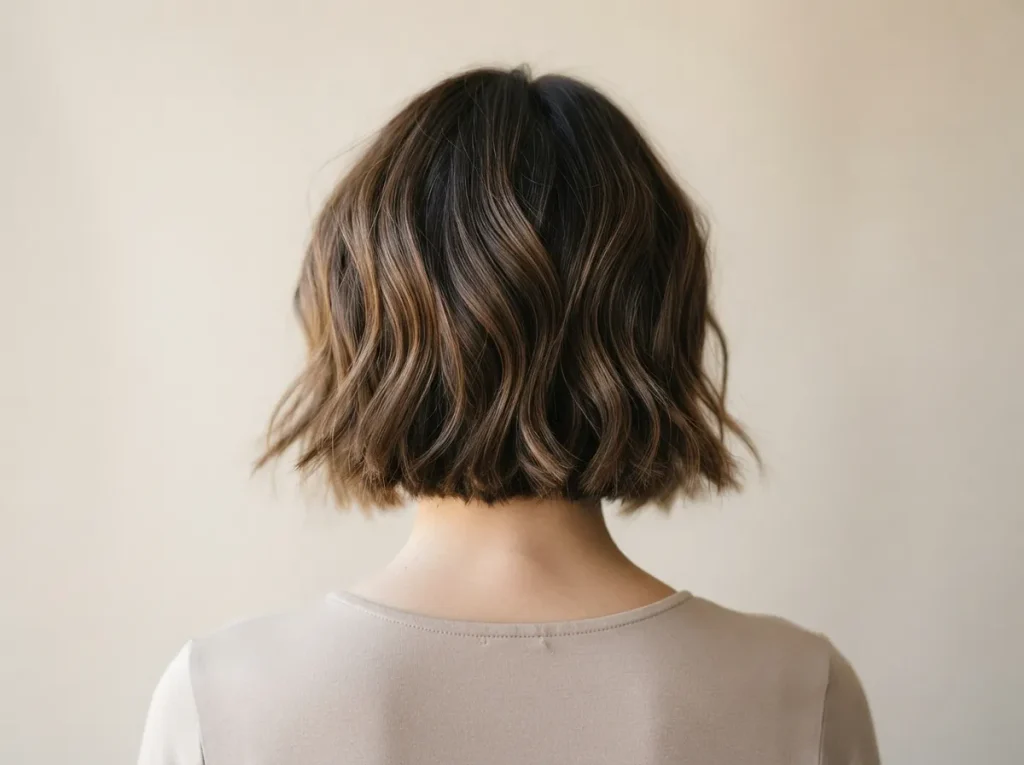
Mocha balayage is one of the softer Hair Color Ideas for Short Haircut styles when you prefer natural-looking brunette dimension. Coffee-brown sections add variation without creating a dramatic difference from darker roots.
Keep the lightest mocha pieces around the surface and ends so the placement remains visible on shorter lengths. Loose waves can highlight the different tones, while a straight finish creates a quieter, smoother result.
13. Beige Blonde Face-Framing Highlights

Beige blonde sits between warm gold and cool ash, giving short brunette hair a balanced lighter accent. Front placement can change the appearance of a bob without requiring highlights across every section.
Ask for soft beige pieces around the face with a darker root connection. Starting with thin sections is useful if this is your first time trying lighter color, since you can always add more brightness during a later appointment.
14. Cinnamon Brown Short Curls
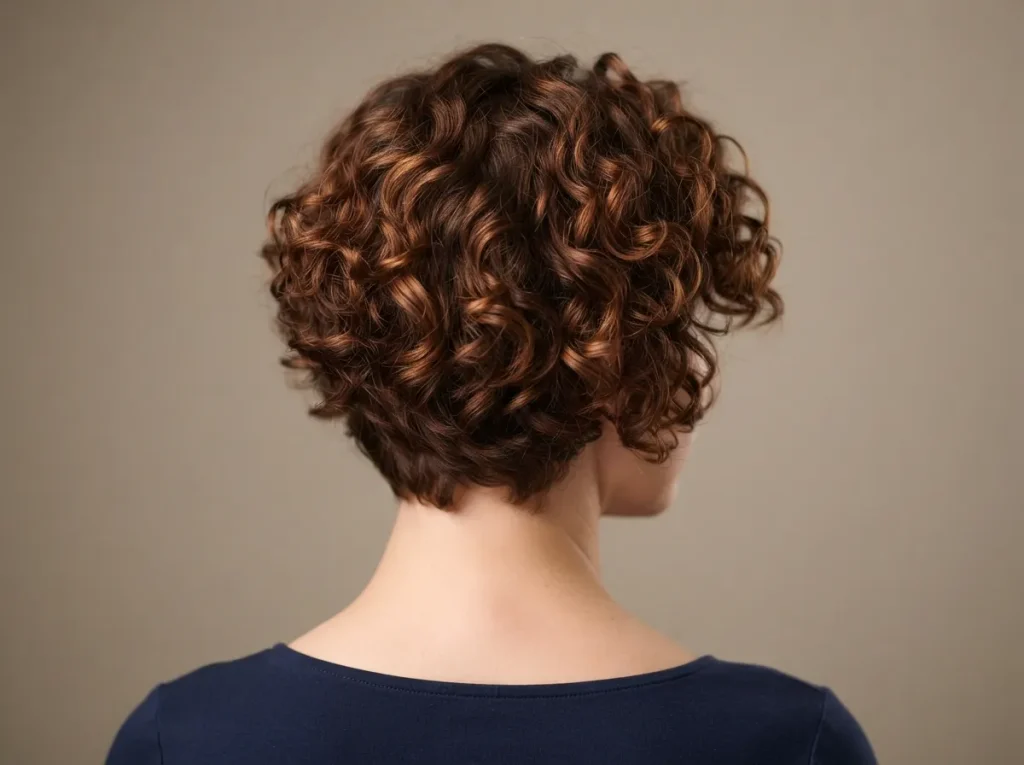
Cinnamon brown gives short curls warm reddish-brown dimension without taking them into a bright red shade. The color can help individual curls stand apart visually, especially when some darker sections remain underneath.
Choose medium cinnamon with deeper brunette roots for added depth. Colored curls can feel drier after processing, so gentle conditioning and limited high-temperature styling can help preserve both the curl pattern and the appearance of the color.
15. Caramel Ombré Angled Bob
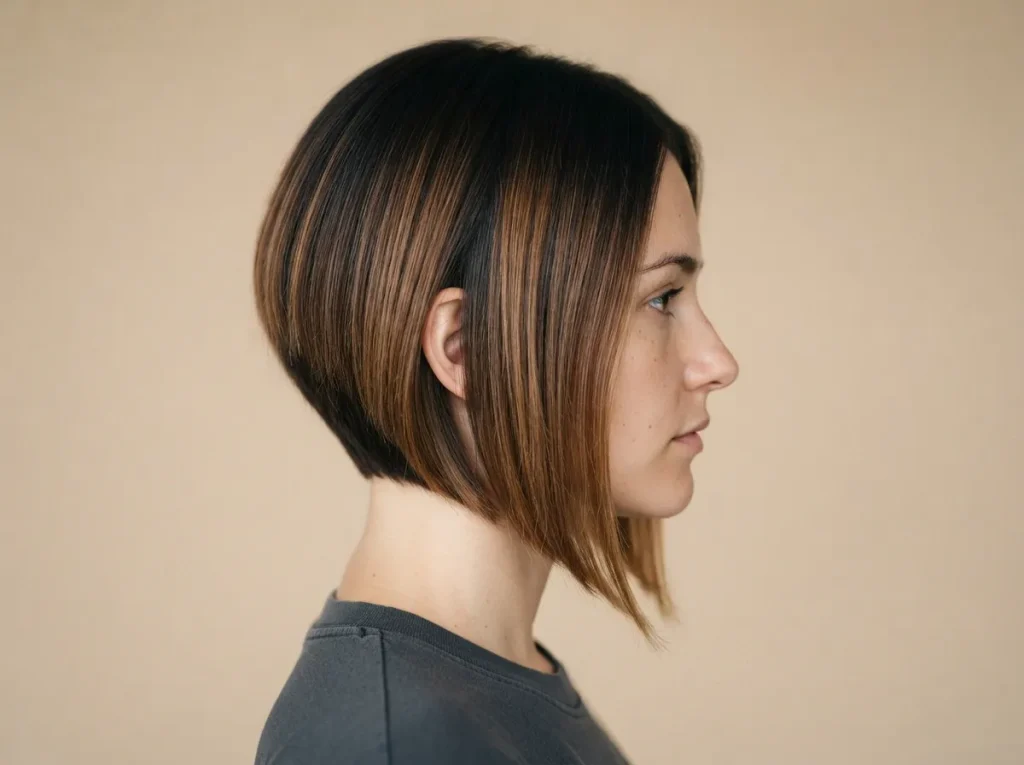
An angled bob provides enough length at the front for a soft ombré effect. Dark roots can gradually move into caramel-brown ends, drawing attention to the longer sections around the jaw.
Keep the shift subtle from brunette to medium caramel rather than creating a harsh light-dark line. This placement works well for anyone who wants visible color while keeping the scalp area close to their natural shade.
16. Smoky Silver Pixie-Bob
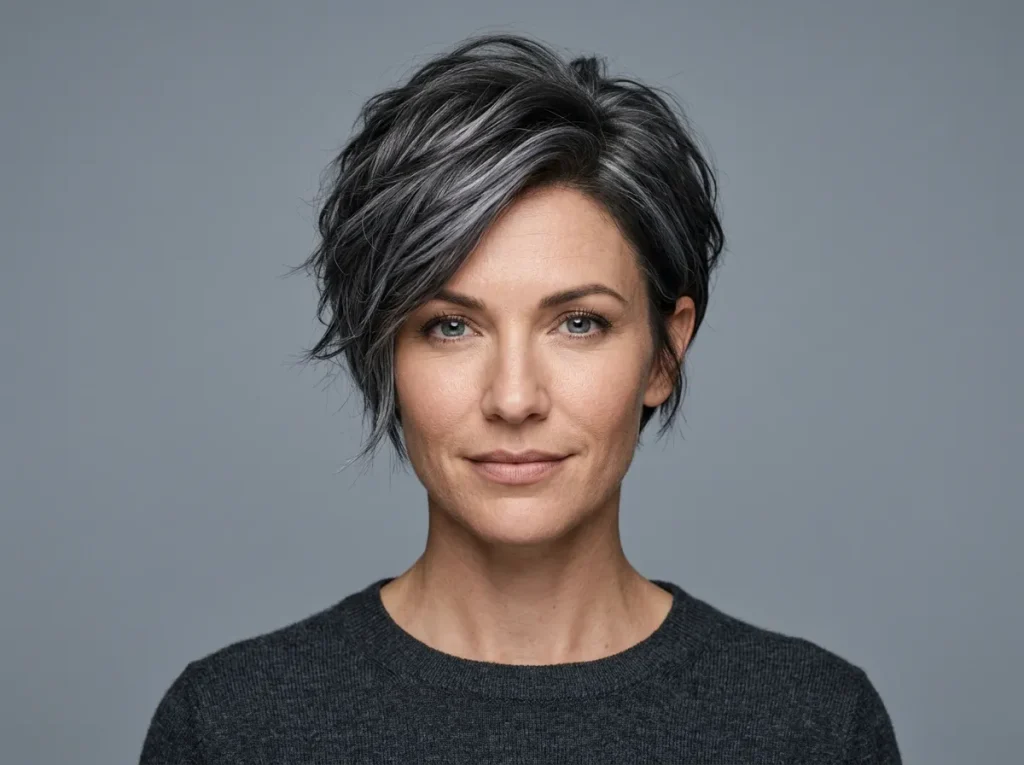
Smoky silver highlights can give a pixie-bob a cool, modern appearance while darker sections provide contrast beneath the lighter pieces. The placement looks particularly defined across textured tops and longer side layers.
Reaching silver-gray from naturally dark hair may involve substantial lightening, so discuss the process and upkeep with a professional. Purple-toned care may help control yellow tones when used according to your colorist’s guidance.
17. Rose Brown Short Bob
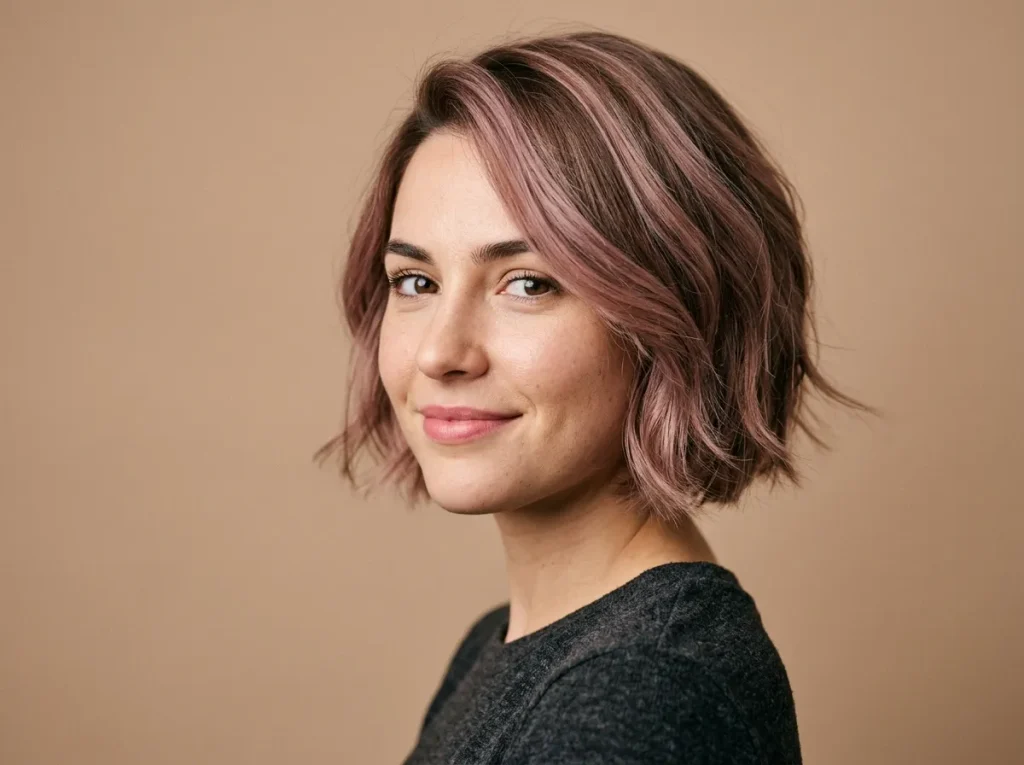
Rose brown mixes brunette depth with muted pink tones, creating a softer colorful option than vivid pink. On a short bob, the rosy reflection can appear across the surface while deeper brown sections keep the style grounded.
Ask for dusty rose over a brunette foundation if you prefer restrained color. Pink pigments may fade with repeated washing, so discuss temporary glosses or color-depositing options if you prefer less permanent commitment.
18. Bronze Brown Short Layers

Bronze brown combines warm brunette tones with golden-brown reflections, making it a good match for short layered cuts. Lighter sections through the crown and ends can define movement without turning the overall style blonde.
Request fine bronze ribbons over a deep brown base for controlled contrast. Styling with soft bends or natural texture can make the different shades easier to see, while straight styling creates a smoother and more subtle effect.
Conclusion
These Hair Color Ideas for Short Haircut styles show how much variety is possible even when you are working with less length. A bob can carry caramel balayage, copper, chocolate, or face-framing blonde, while pixies and cropped styles can highlight platinum, gold, silver, and darker dimensional shades beautifully.
Your haircut can help guide the placement. Longer front sections give ombré and framing pieces more space, while textured crowns work well with scattered highlights. Blunt shapes can also look striking with rich, even colors such as black or chocolate brown.
Pick one or two ideas that fit your natural base and the amount of upkeep you are comfortable with. Save reference photos that match both your preferred shade and your actual haircut length. Show them to your colorist, discuss how the color will work with your current base, and agree on the placement before coloring begins.